ASUS ROG G513IM-HN008W RAM upgrade specifications



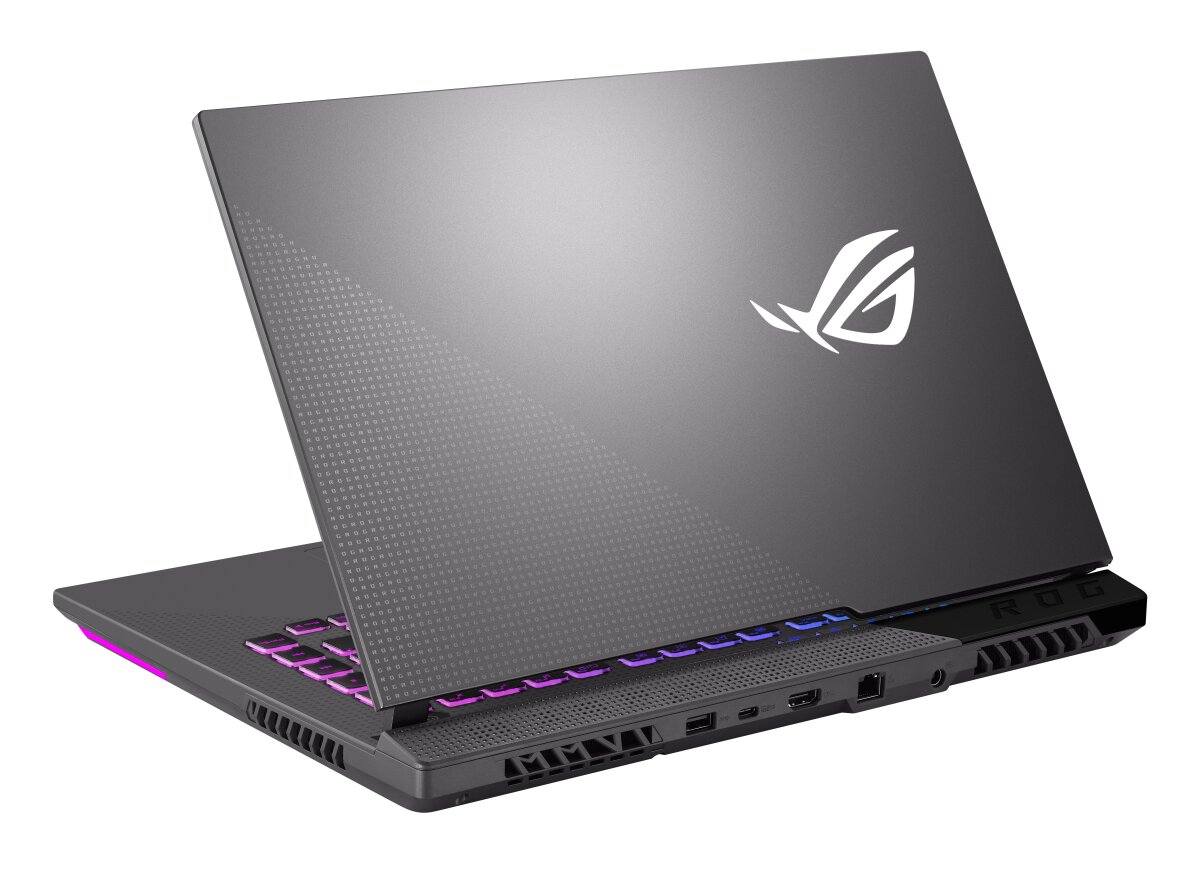
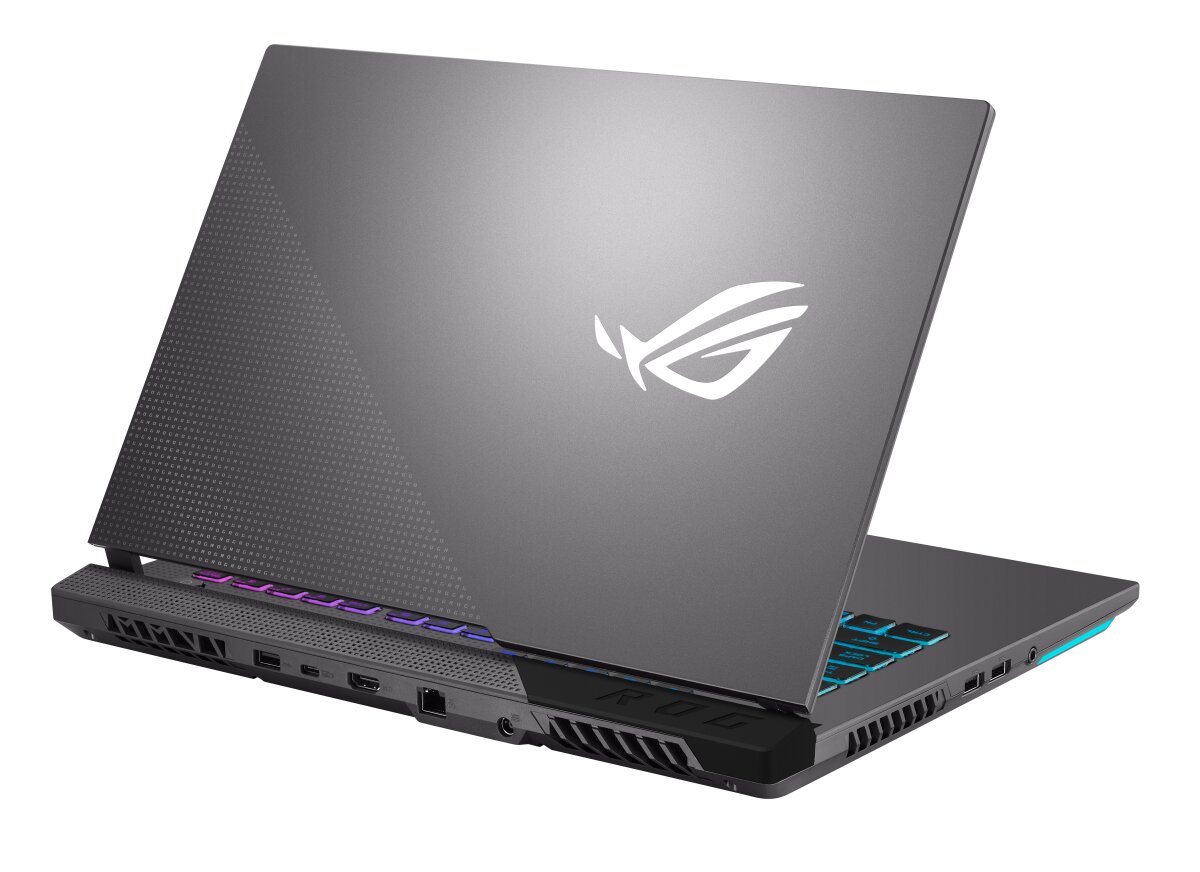
The ASUS ROG Strix G15 model G513IM-HN008W features two SO-DIMM slots for memory upgrade capabilities. The laptop supports DDR4-SDRAM memory modules operating at 3200 MHz frequency. Maximum RAM capacity reaches 32 GB total, achievable through compatible DDR4 SO-DIMM modules. Specifications indicate the G513IM-HN008W accepts standard laptop memory upgrades in the DDR4 format. Users seeking memory expansion should reference the two available slots and maximum capacity specifications for compatible RAM selection.
Memory Upgrade Specifications
| Specification | Value |
|---|---|
| Memory slots | 2x SO-DIMM |
| Form factor | SO-DIMM |
| Memory type | DDR4-SDRAM |
| Frequency | 3200 MHz |
| Maximum RAM | 32 GB |
| Voltage | 1.2V |
| Number of pins | 260-pin |
| Interface | PC4 |
| PC Speed Rating | PC4-3200 (PC4-25600) |
| Bandwidth | 25.6 GB/s |
| Laptop Release date | 20 January 2022 |
Additional Notes
- The ASUS ROG G513IM-HN008W supports dual-channel memory architecture through its 2 SO-DIMM slots, enabling increased bandwidth compared to single-channel configurations when matching modules are installed.
- The 32 GB maximum capacity limitation is enforced by chipset addressing constraints, preventing the use of higher-density modules even if physically compatible.
- DDR4-3200 operates at a transfer rate of 25600 MB/s per channel, providing 51200 MB/s total theoretical bandwidth in dual-channel mode.
- SO-DIMM modules require physical access to the bottom panel or keyboard deck, depending on chassis design implementation.
- Mixing modules with different speeds will force all installed memory to operate at the lowest common frequency, reducing system performance.
- Non-matching module specifications between slots may disable dual-channel mode, reverting to asymmetric or single-channel operation with reduced bandwidth.
- DDR4 voltage specification of 1.2V is fixed for this platform, making lower-voltage DDR4L modules unnecessary and potentially incompatible.
- The 3200 MHz frequency corresponds to JEDEC standard or overclocked profiles, with actual operation dependent on CPU memory controller support.
- Memory upgrades typically preserve manufacturer warranty if performed without damaging surrounding components or breaking warranty seals.
- Thermal performance may degrade with maximum capacity installation due to increased heat output from fully populated SO-DIMM slots.
- CAS latency timing compatibility must be considered when mixing brands, as mismatched timings can cause POST failures or instability.
- Single-rank versus dual-rank module topology affects memory interleaving and may impact performance in memory-intensive applications.