ASUS ROG G513IM-HN033T RAM upgrade specifications


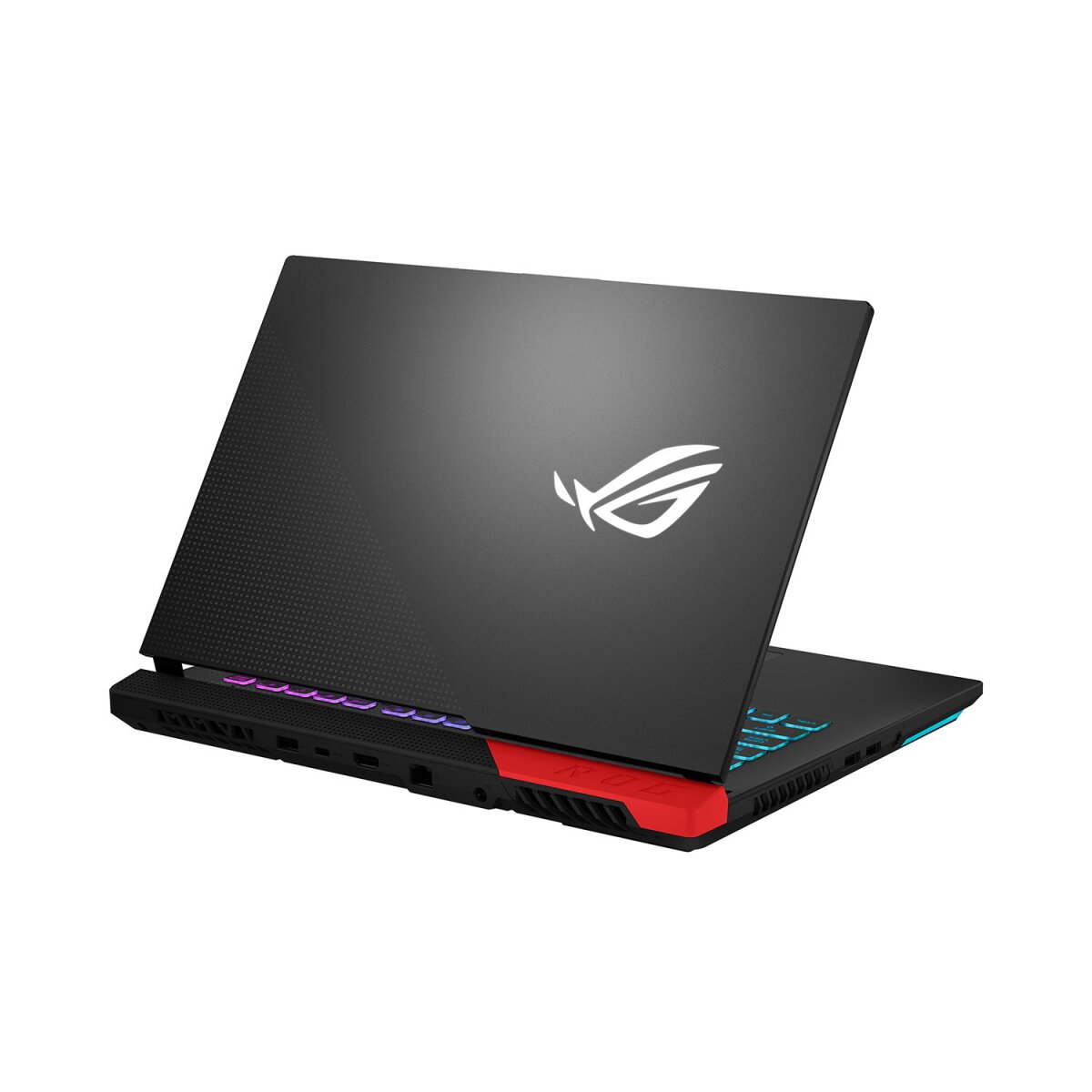
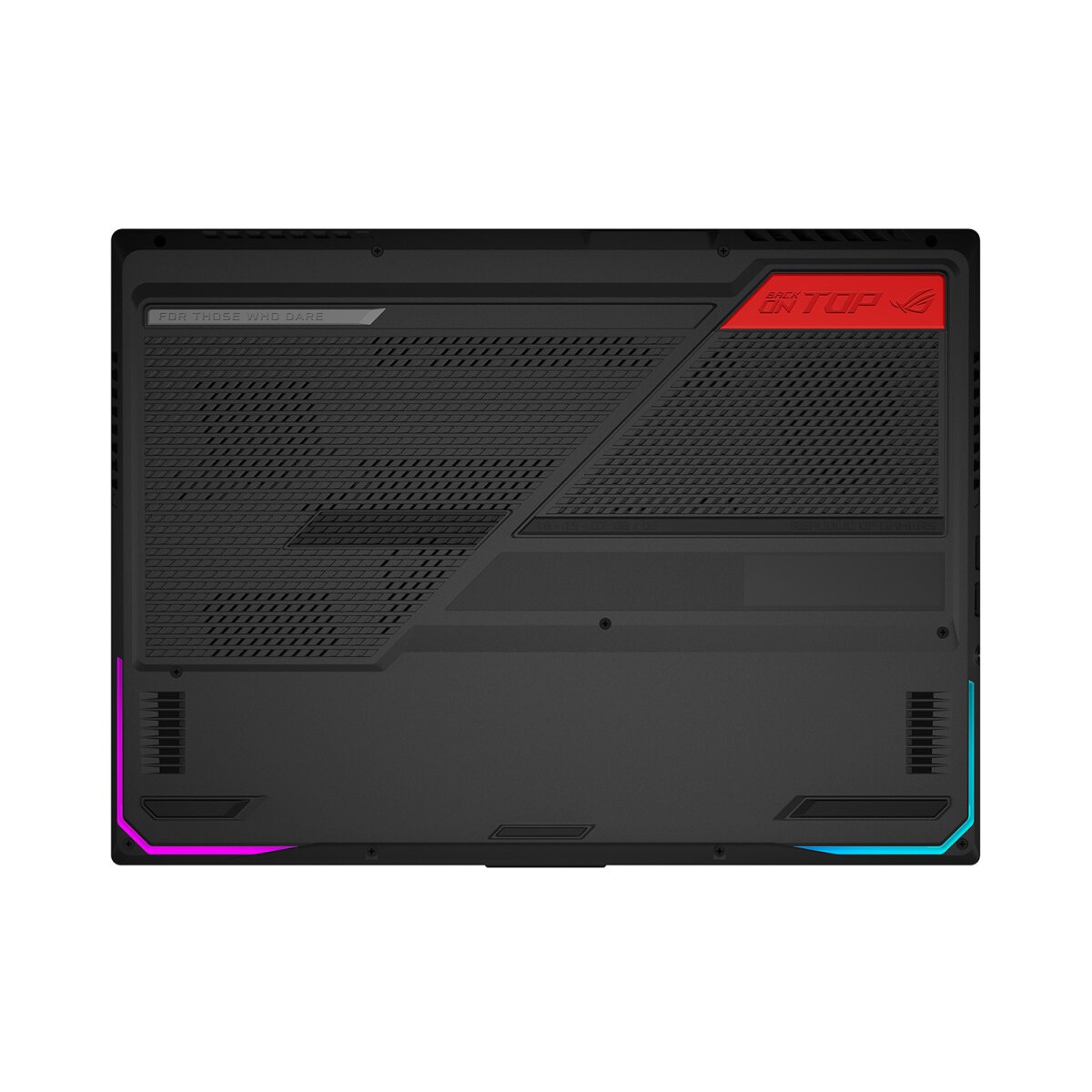
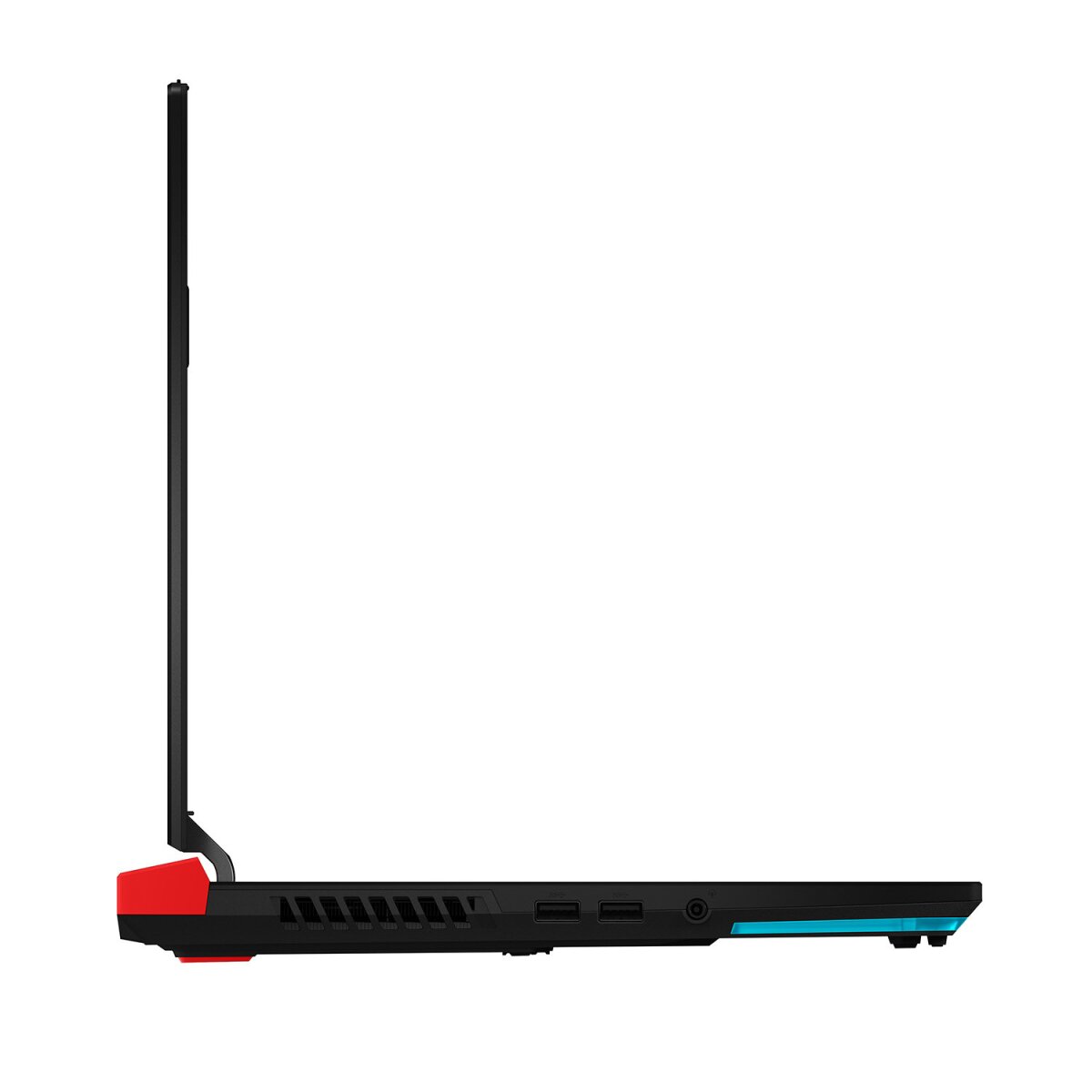
ASUS ROG Strix G15 G513IM-HN033T memory upgrade specifications indicate DDR4-SDRAM compatibility with maximum capacity of 32 GB across 2x SO-DIMM slots. Compatible memory operates at 3200 MHz frequency. Laptop supports memory upgrade through dual SO-DIMM slots, allowing configurations up to 32 GB total RAM for enhanced multitasking and performance capabilities.
Memory Upgrade Specifications
| Specification | Value |
|---|---|
| Memory slots | 2x SO-DIMM |
| Form factor | SO-DIMM |
| Memory type | DDR4-SDRAM |
| Frequency | 3200 MHz |
| Maximum RAM | 32 GB |
| Voltage | 1.2V |
| Number of pins | 260-pin |
| Interface | PC4 |
| PC Speed Rating | PC4-3200 (PC4-25600) |
| Bandwidth | 25.6 GB/s |
| Laptop Release date | 22 May 2021 |
Additional Notes
- The ASUS ROG G513IM-HN033T supports only 2 memory slots, meaning maximum expansion capacity is fixed at 32 GB total regardless of future DDR4 module availability or pricing improvements.
- DDR4-3200 MHz represents the rated frequency ceiling; modules rated higher (3600 MHz, 4000 MHz) will downclock to 3200 MHz due to BIOS constraints, eliminating performance gains from premium memory specifications.
- SO-DIMM form factor restricts upgrade paths to laptop-specific modules only; desktop DDR4 DIMMs are physically incompatible and cannot serve as substitute components even if electrically similar.
- Single-channel to dual-channel transition occurs only when both slots are populated; running 1 module leaves 50% of memory bandwidth unutilized, creating a performance penalty until a second module is installed.
- Memory upgrade operations on this model typically require partial disassembly of the bottom panel; warranty coverage remains intact when performed by authorized technicians, but self-service installation voids coverage unless explicitly documented as user-serviceable in the maintenance manual.
- 32 GB capacity ceiling means storage of datasets exceeding this threshold requires external solutions (external SSD, network storage) rather than RAM-based acceleration, fundamentally limiting in-memory processing workflows.
- DDR4 technology lifecycle has entered decline phase; new system purchases increasingly ship with DDR5, making spare modules scarce and potentially expensive within 2-3 years as supply chains deprioritize legacy memory manufacturing.