ASUS ROG G513IM-HN119W RAM upgrade specifications




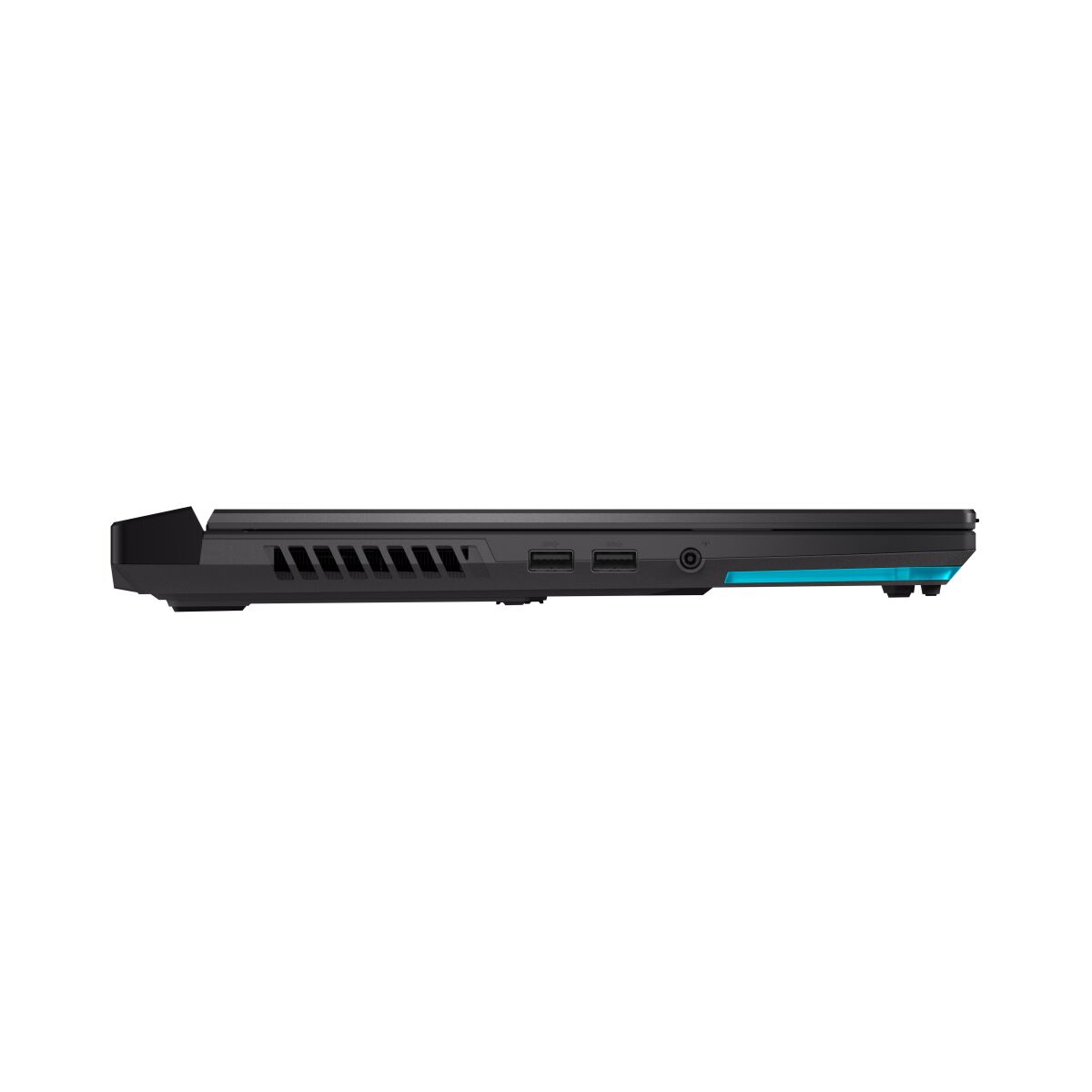
ASUS ROG Strix G15 G513IM-HN119W laptop features DDR4-SDRAM memory upgrade specifications with 2x SO-DIMM slots supporting maximum capacity of 32 GB RAM. Compatible memory operates at 3200 MHz frequency. The upgrade specifications enable configuration of dual-channel memory architecture for enhanced system performance. SO-DIMM form factor specifications accommodate standard laptop memory modules within the available slots.
Memory Upgrade Specifications
| Specification | Value |
|---|---|
| Memory slots | 2x SO-DIMM |
| Form factor | SO-DIMM |
| Memory type | DDR4-SDRAM |
| Frequency | 3200 MHz |
| Maximum RAM | 32 GB |
| Voltage | 1.2V |
| Number of pins | 260-pin |
| Interface | PC4 |
| PC Speed Rating | PC4-3200 (PC4-25600) |
| Bandwidth | 25.6 GB/s |
| Laptop Release date | 20 January 2022 |
Additional Notes
- The ASUS ROG G513IM-HN119W implements a dual-channel memory architecture requiring matched SO-DIMM pairs for optimal bandwidth utilization, as asymmetric configurations will force the controller into single-channel mode and reduce throughput by approximately 50%.
- The 32 GB ceiling translates to a maximum density of 16 GB per module, meaning 8 GB modules will cap total capacity at 16 GB and necessitate replacement rather than supplementation when approaching the upper limit.
- DDR4-3200 represents the JEDEC baseline speed supported by the memory controller, though actual operating frequency depends on CPU IMC specifications and may downclock modules with higher XMP profiles to 3200 MHz.
- SO-DIMM installation on this platform typically requires bottom panel removal and potentially motherboard access through cooling assembly disengagement, which may void warranty seals if manufacturer service-only labels are present.
- The DDR4 standard at 3200 MHz operates at 1.2V nominal voltage, meaning non-standard voltage modules like 1.35V or 1.5V variants risk thermal issues or controller instability without explicit vendor validation.
- Mixing memory modules with different latency timings will force the controller to adopt the slowest common denominator, degrading performance even if frequency ratings match across both slots.
- The SO-DIMM form factor precludes use of standard desktop DIMM modules due to physical incompatibility, as SO-DIMM measures 67.6mm versus 133.35mm for full-size modules and employs a different pin configuration.
- Dual-slot population enables rank interleaving when using dual-rank modules, potentially improving memory-intensive workload performance by 5-15% compared to equivalent single-rank configurations.
- Non-ECC unbuffered modules are required for consumer platforms of this type, as registered or error-correcting memory introduces command/address latency incompatible with the integrated memory controller architecture.