ASUS ROG G513QM-HF015T RAM upgrade specifications
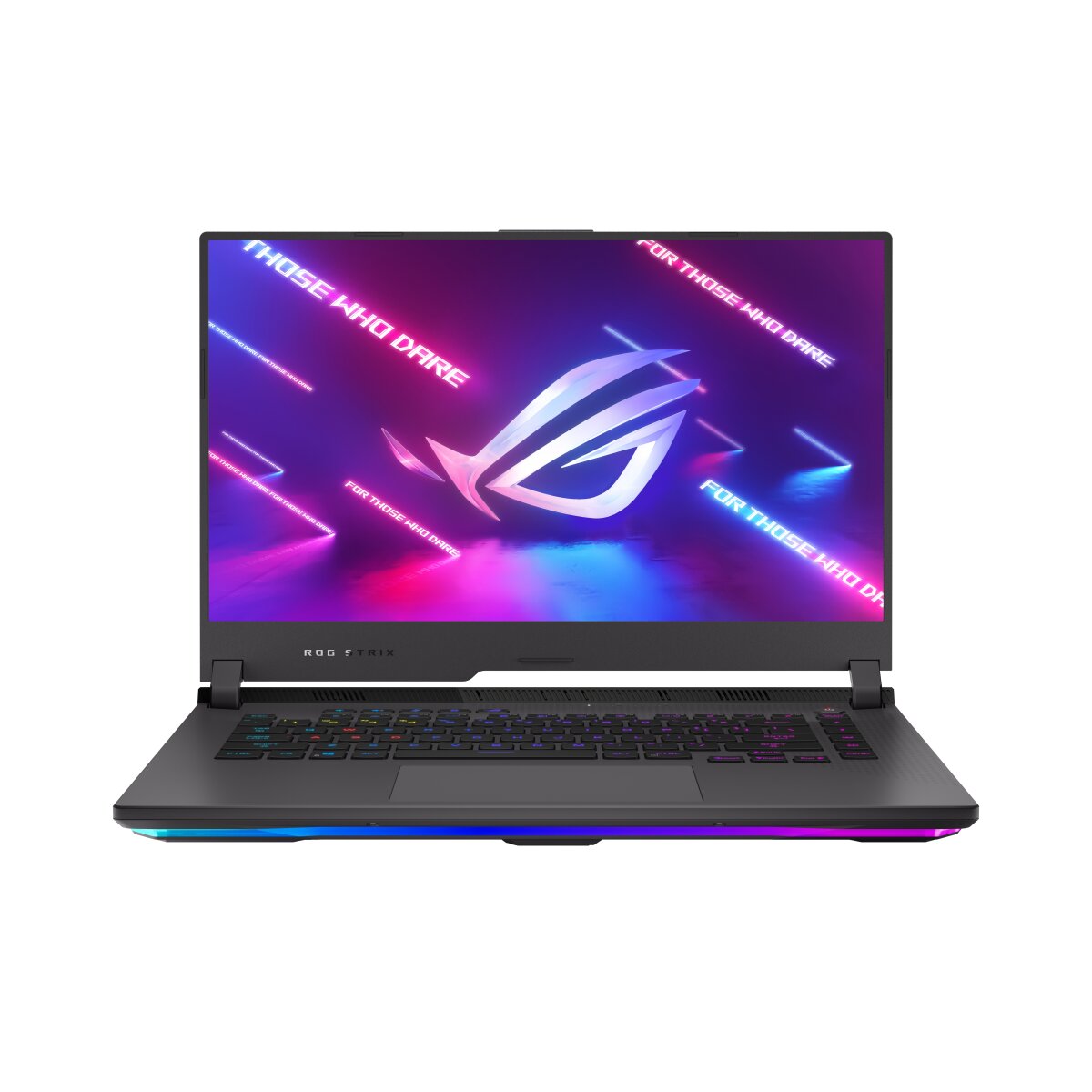



ASUS ROG Strix G15 G513QM-HF015T features dual SO-DIMM slots supporting DDR4-SDRAM memory upgrades. The laptop accommodates a maximum RAM capacity of 32 GB total, with each slot supporting up to 16 GB modules. Compatible memory operates at 3200 MHz frequency. Specifications confirm two memory upgrade slots available for this gaming notebook model, enabling users to expand system RAM to the maximum supported capacity through compatible DDR4 SO-DIMM modules.
Memory Upgrade Specifications
| Specification | Value |
|---|---|
| Memory slots | 2x SO-DIMM |
| Form factor | SO-DIMM |
| Memory type | DDR4-SDRAM |
| Frequency | 3200 MHz |
| Maximum RAM | 32 GB |
| Voltage | 1.2V |
| Number of pins | 260-pin |
| Interface | PC4 |
| PC Speed Rating | PC4-3200 (PC4-25600) |
| Bandwidth | 25.6 GB/s |
| Laptop Release date | 22 January 2022 |
Additional Notes
- The ASUS ROG G513QM-HF015T contains 2 SO-DIMM slots, which means both memory modules must be replaced simultaneously to achieve the 32 GB maximum capacity. Removing a single module leaves one slot vacant, preventing symmetric dual-channel operation and reducing memory bandwidth by approximately 50 percent.
- DDR4-3200 specification establishes a hard ceiling on compatible modules. DDR4 modules rated for 3600 MHz or higher will operate at 3200 MHz when installed, resulting in no performance gain from the higher rated speed and potential incompatibility with aggressive XMP/DOCP profiles.
- The SO-DIMM form factor restricts upgrades to laptop-specific memory modules. Desktop DDR4 modules using the standard DIMM slot configuration will not fit physically and cannot be installed under any circumstances, requiring sourcing from the mobile memory product segment.
- Upgrading from the factory configuration to 32 GB requires modules with compatible timings and voltage specifications. Mismatched timing parameters between the original and replacement modules can trigger memory errors or automatic downclocking to conservative specifications, reducing effective bandwidth below rated capacity.
- The 2-slot architecture means memory expansion is terminal. After installing 2x16 GB modules to reach maximum capacity, no additional upgrade path exists within this platform, making the choice between 16 GB and 32 GB configurations a final decision with no intermediate steps.
- DDR4-3200 bandwidth provides approximately 51.2 GB/s theoretical throughput. Gaming and content creation workloads may experience memory latency constraints if paired with high-end mobile processors, as the memory subsystem becomes the bottleneck relative to CPU processing capacity.