ASUS ROG G513QY-HF002 RAM upgrade specifications
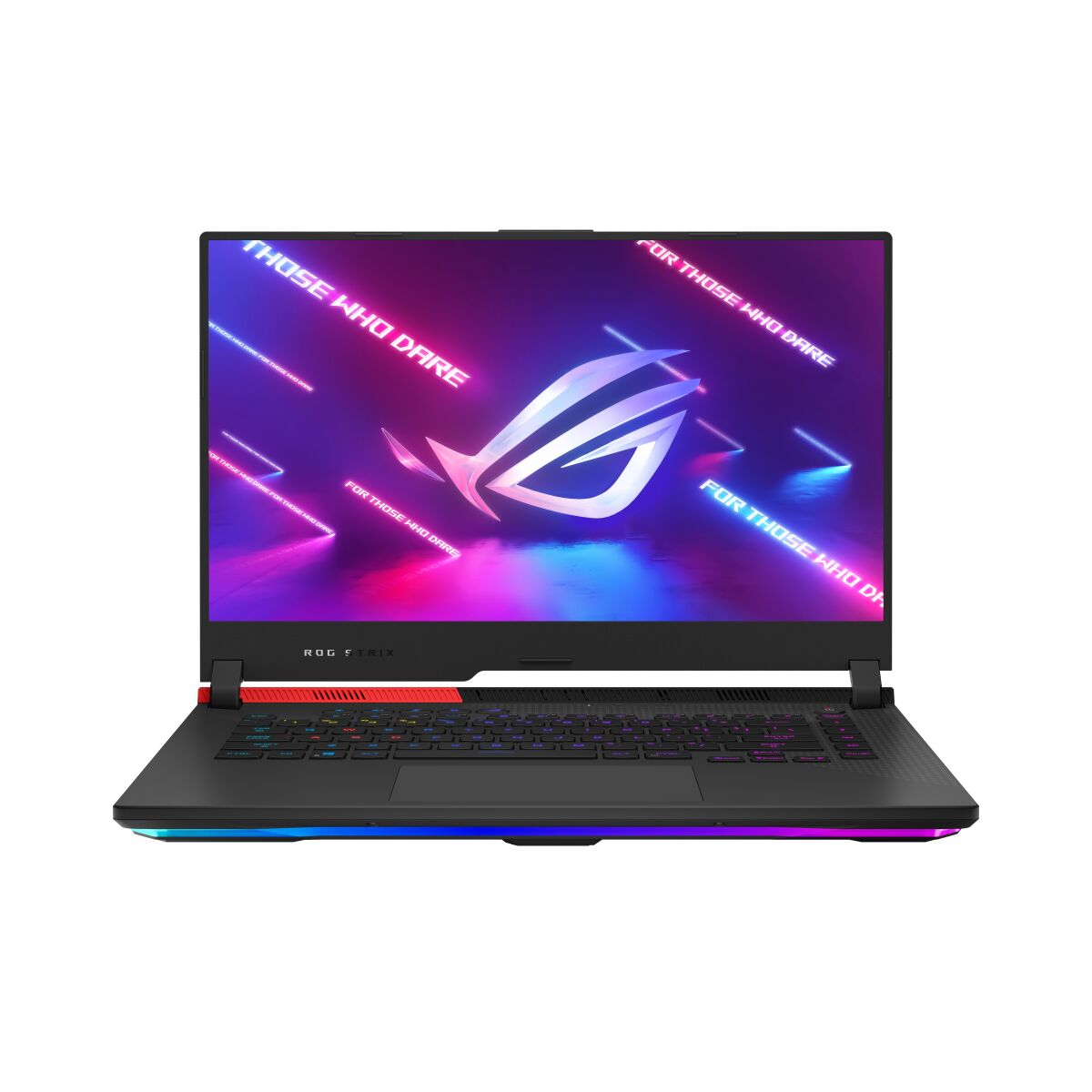
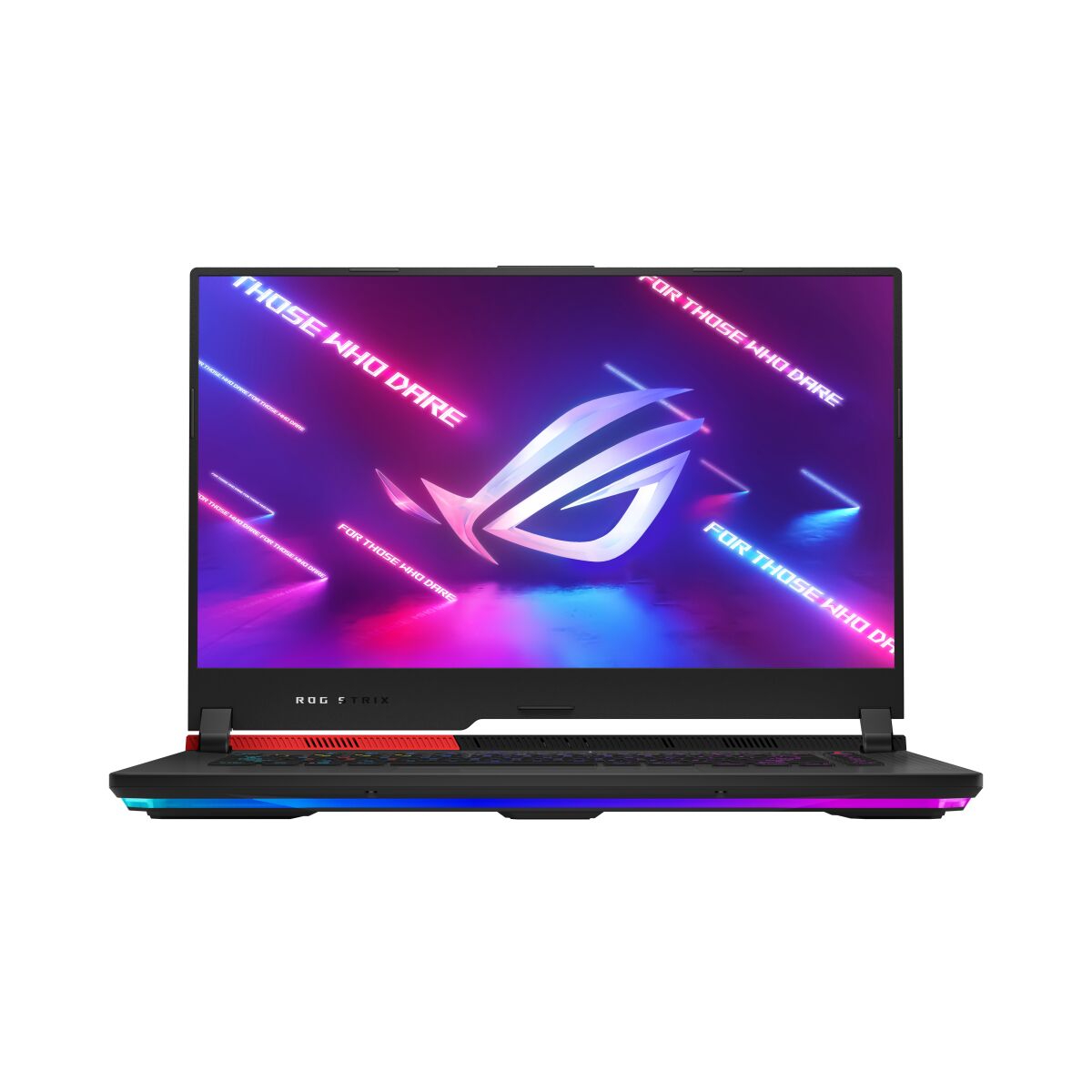
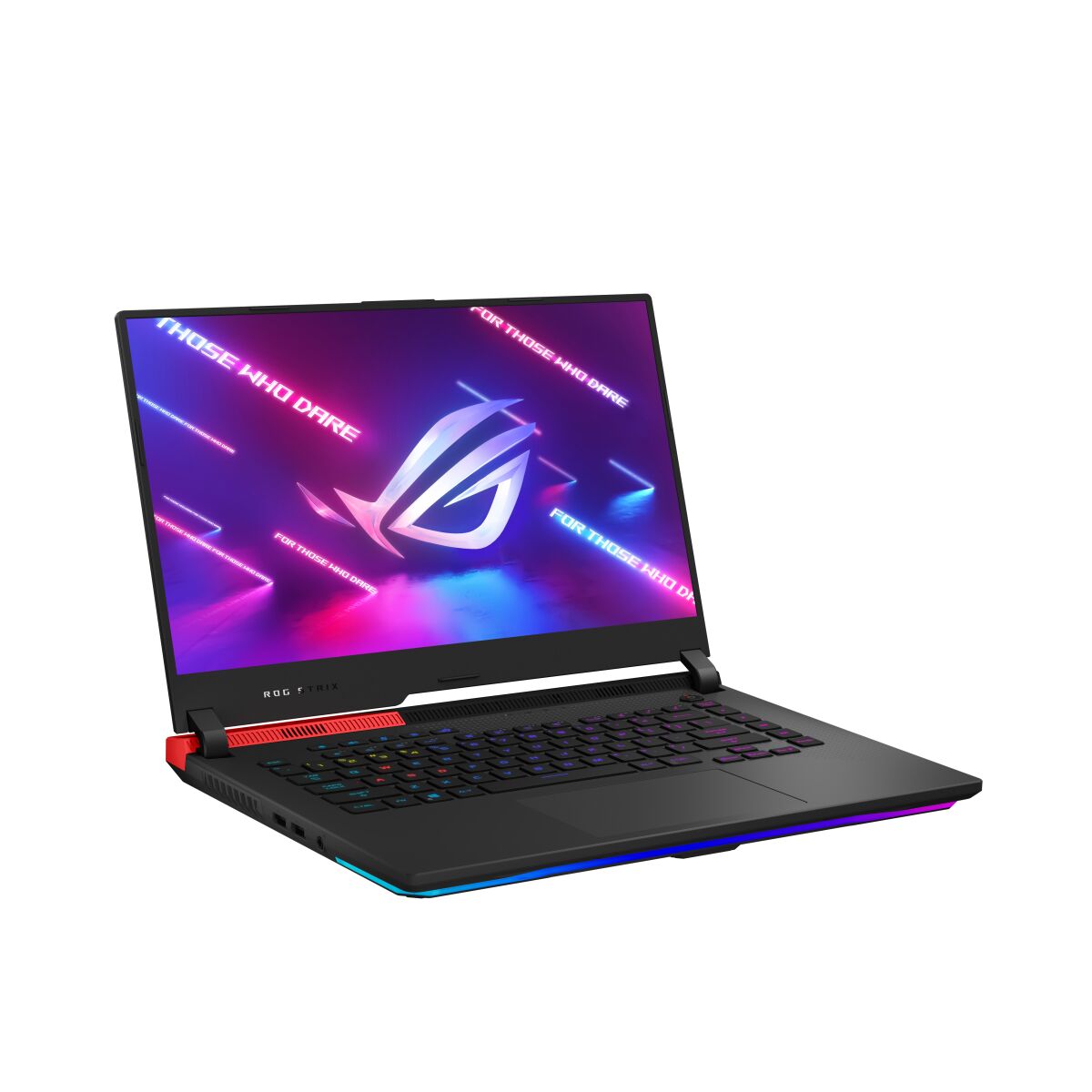

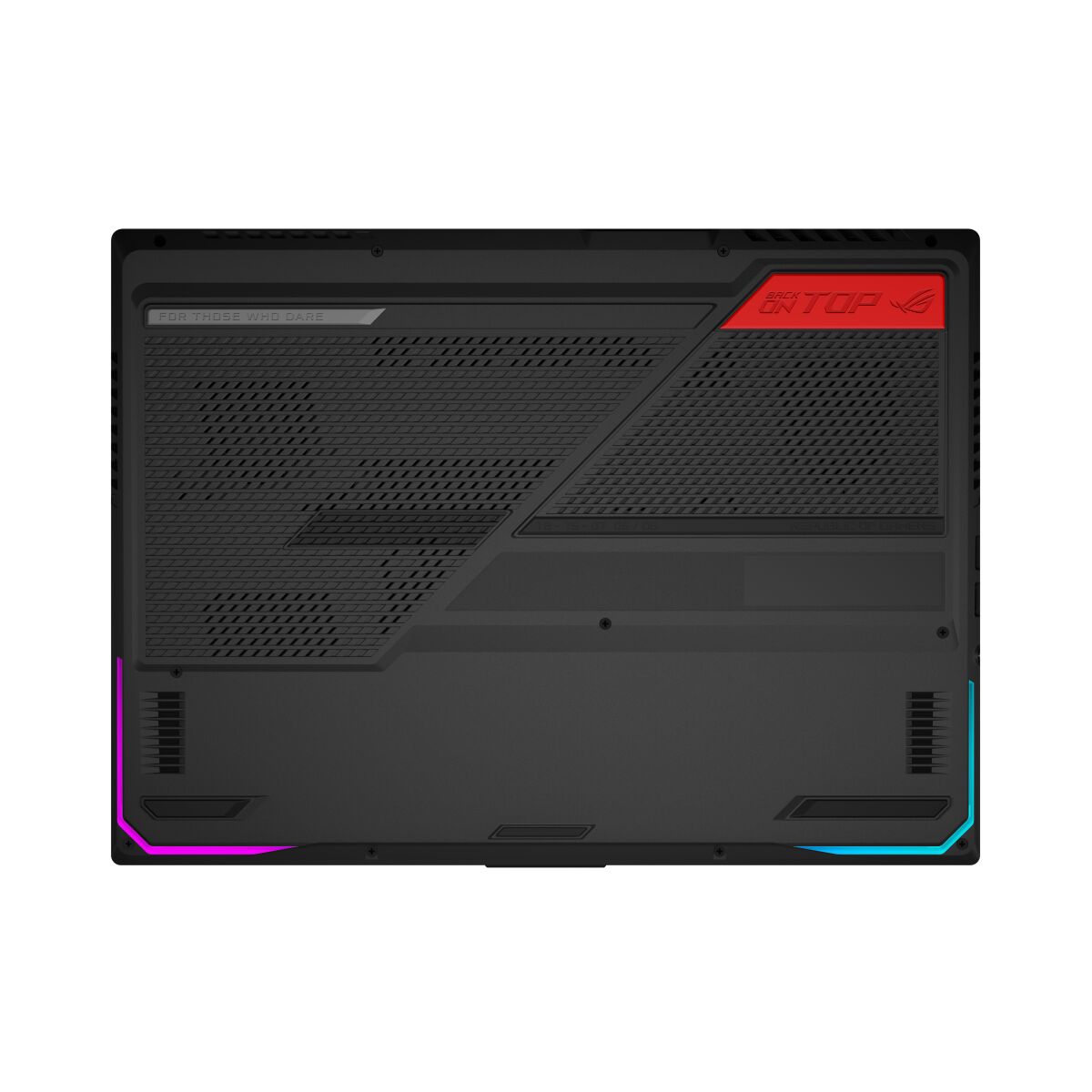
The ASUS ROG Strix G15 G513QY-HF002 features DDR4-SDRAM memory with 2x SO-DIMM slots supporting maximum capacity of 32 GB. Compatible RAM operates at 3200 MHz frequency. The SO-DIMM form factor enables upgrade capability for enhanced multitasking and gaming performance. Specifications indicate dual-channel memory configuration with expandable slots to reach the maximum RAM threshold of 32 GB total capacity.
Memory Upgrade Specifications
| Specification | Value |
|---|---|
| Memory slots | 2x SO-DIMM |
| Form factor | SO-DIMM |
| Memory type | DDR4-SDRAM |
| Frequency | 3200 MHz |
| Maximum RAM | 32 GB |
| Voltage | 1.2V |
| Number of pins | 260-pin |
| Interface | PC4 |
| PC Speed Rating | PC4-3200 (PC4-25600) |
| Bandwidth | 25.6 GB/s |
| Laptop Release date | 14 April 2021 |
Additional Notes
- The ASUS ROG G513QY-HF002 requires small outline dual in-line memory modules rather than full-sized desktop DIMMs, limiting compatibility to laptop-specific components.
- DDR4-SDRAM architecture prevents installation of DDR3 or DDR5 modules due to different notch positions and voltage requirements.
- Dual-channel configuration becomes possible when both SO-DIMM slots contain matched capacity modules, potentially doubling memory bandwidth compared to single-channel operation.
- The 32 GB ceiling restricts maximum addressable memory to configurations such as 2x16 GB, preventing installation of higher-capacity individual modules even if they physically fit.
- Memory running at 3200 MHz operates at PC4-25600 standard, delivering 25.6 GB/s theoretical bandwidth per channel when properly configured.
- Mixing modules with different speed ratings forces all installed RAM to operate at the lowest common frequency, potentially underutilizing faster modules.
- CAS latency specifications become critical at 3200 MHz as higher latency modules introduce additional delay cycles that impact real-world responsiveness.
- Non-matching module capacities across the 2 slots still function but disable dual-channel mode for the unpaired portion of memory.
- JEDEC-standard DDR4 modules guarantee baseline compatibility, while XMP-profiled modules may require BIOS support to achieve rated speeds.
- Installation through accessible bottom panel or keyboard deck removal depends on internal chassis design, affecting upgrade difficulty without warranty impact concerns.
- Voltage requirements remain fixed at 1.2V for standard DDR4, though some modules specify 1.35V operation that may exceed system specifications.
- Heat spreader height on aftermarket modules can create clearance issues in compact laptop chassis despite SO-DIMM form factor compliance.