ASUS ROG G513QY-HF022W RAM upgrade specifications



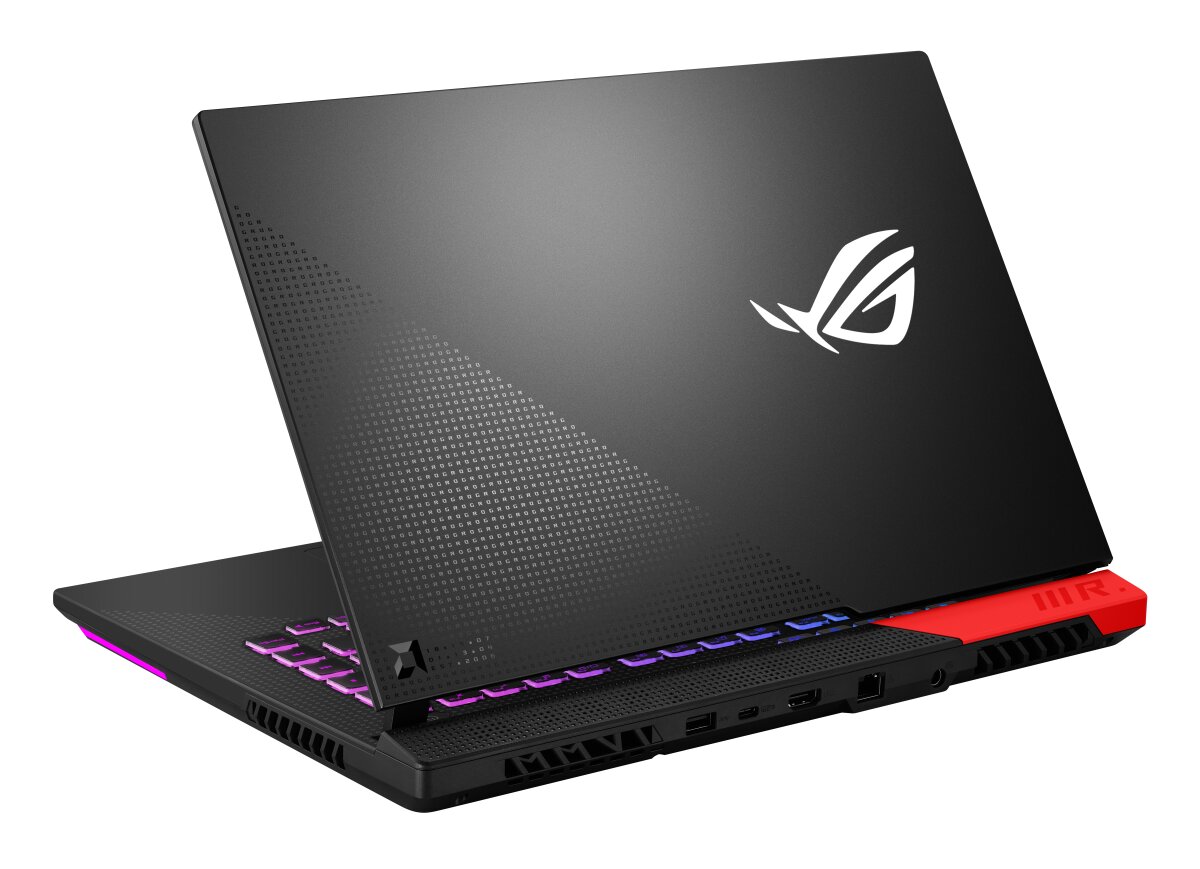
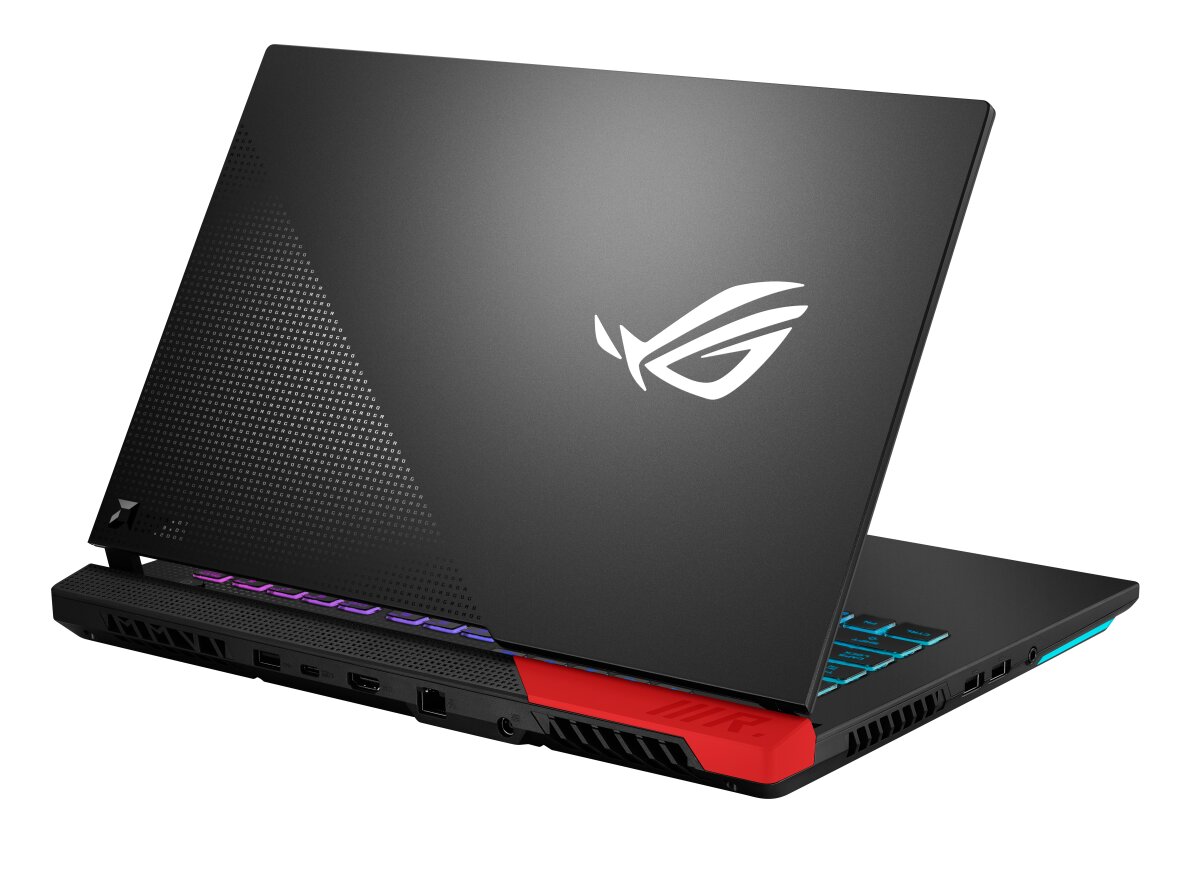
ASUS ROG Strix G15 G513QY-HF022W laptop specifications include DDR4-SDRAM memory upgrade capacity. The system features 2x SO-DIMM slots supporting maximum RAM of 32 GB total capacity. Compatible memory modules operate at 3200 MHz frequency. SO-DIMM form factor specifications define the physical dimensions for upgrade components. This configuration provides upgrade options for users requiring enhanced memory performance on the G513QY-HF022W model.
Memory Upgrade Specifications
| Specification | Value |
|---|---|
| Memory slots | 2x SO-DIMM |
| Form factor | SO-DIMM |
| Memory type | DDR4-SDRAM |
| Frequency | 3200 MHz |
| Maximum RAM | 32 GB |
| Voltage | 1.2V |
| Number of pins | 260-pin |
| Interface | PC4 |
| PC Speed Rating | PC4-3200 (PC4-25600) |
| Bandwidth | 25.6 GB/s |
Additional Notes
- The ASUS ROG G513QY-HF022W implements a dual-channel architecture through its 2 SO-DIMM slots, requiring matched modules to achieve optimal memory bandwidth and avoid performance degradation in asymmetric configurations.
- The 32 GB ceiling enforces a practical limitation to either 2x16 GB modules or accepting capacity underutilization with smaller matched pairs, as single-slot configurations forfeit the bandwidth advantages of dual-channel operation.
- DDR4-3200 represents a JEDEC standard speed that eliminates compatibility ambiguity, though modules rated beyond 3200 MHz will downclock to this frequency without XMP profile support typical in consumer laptop platforms.
- SO-DIMM form factor compliance excludes standard desktop UDIMM modules due to physical pin count and notch position differences, necessitating laptop-specific memory procurement.
- The 3200 MHz frequency designation indicates effective transfer rate rather than actual clock cycles, translating to PC4-25600 bandwidth specification at 25.6 GB/s per channel in dual-channel mode.
- Voltage compatibility defaults to DDR4 standard 1.2V operation, while low-voltage DDR4L variants may function but offer negligible power savings in performance-oriented ROG chassis designs.
- Module access typically requires bottom panel removal on ROG Strix G-series chassis, with potential warranty preservation depending on regional consumer protection laws despite standard access panel provisions.
- Mixing different module capacities between slots maintains functionality but may force the memory controller into flex mode, which provides dual-channel operation only up to the capacity of the smaller module before reverting to single-channel for excess capacity.
- CAS latency specifications become relevant at this frequency tier, where CL22 modules represent baseline timings while CL16-CL18 variants deliver measurably lower access latency in applications sensitive to memory response time.
- Non-ECC unbuffered modules constitute the required specification class, as error-correcting or registered memory types incompatible with consumer-grade Ryzen mobile memory controllers will prevent system POST.