ASUS ROG G513RC-HF210 RAM upgrade specifications



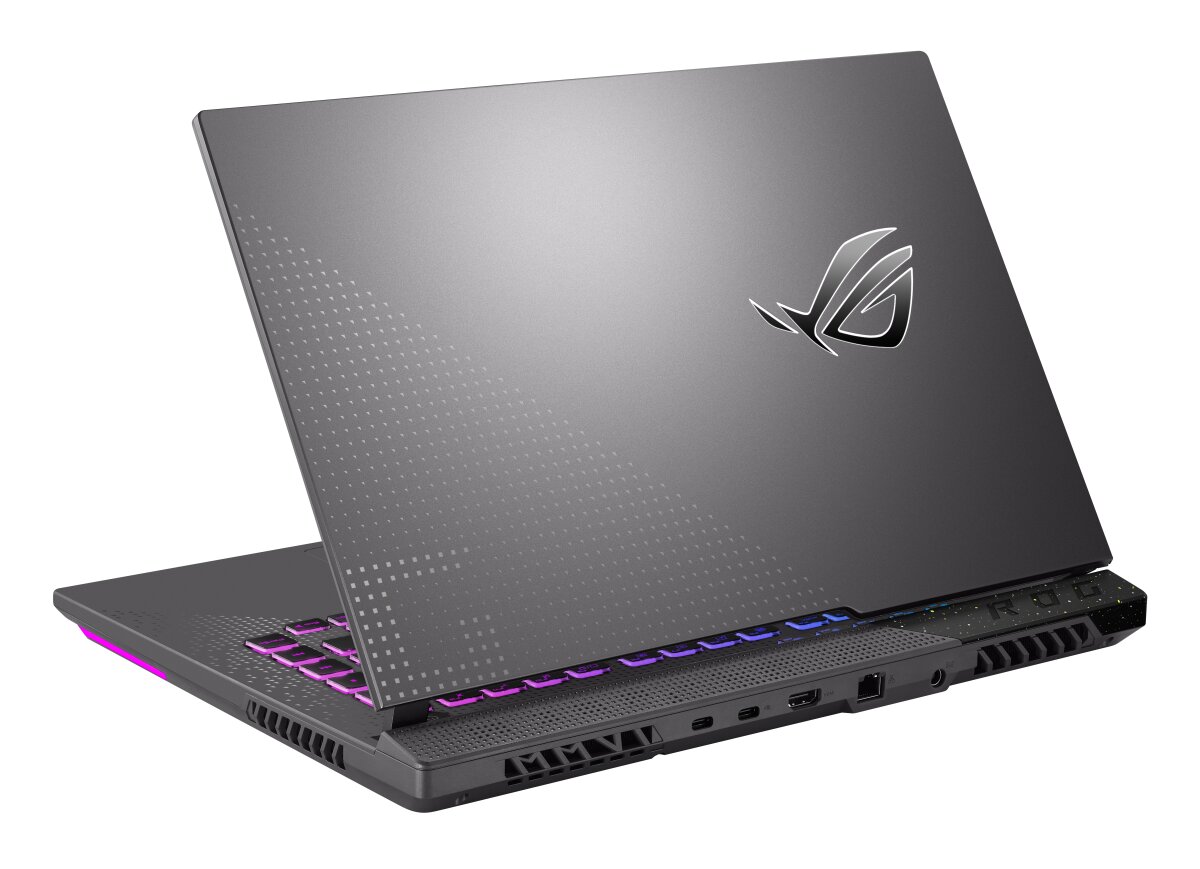
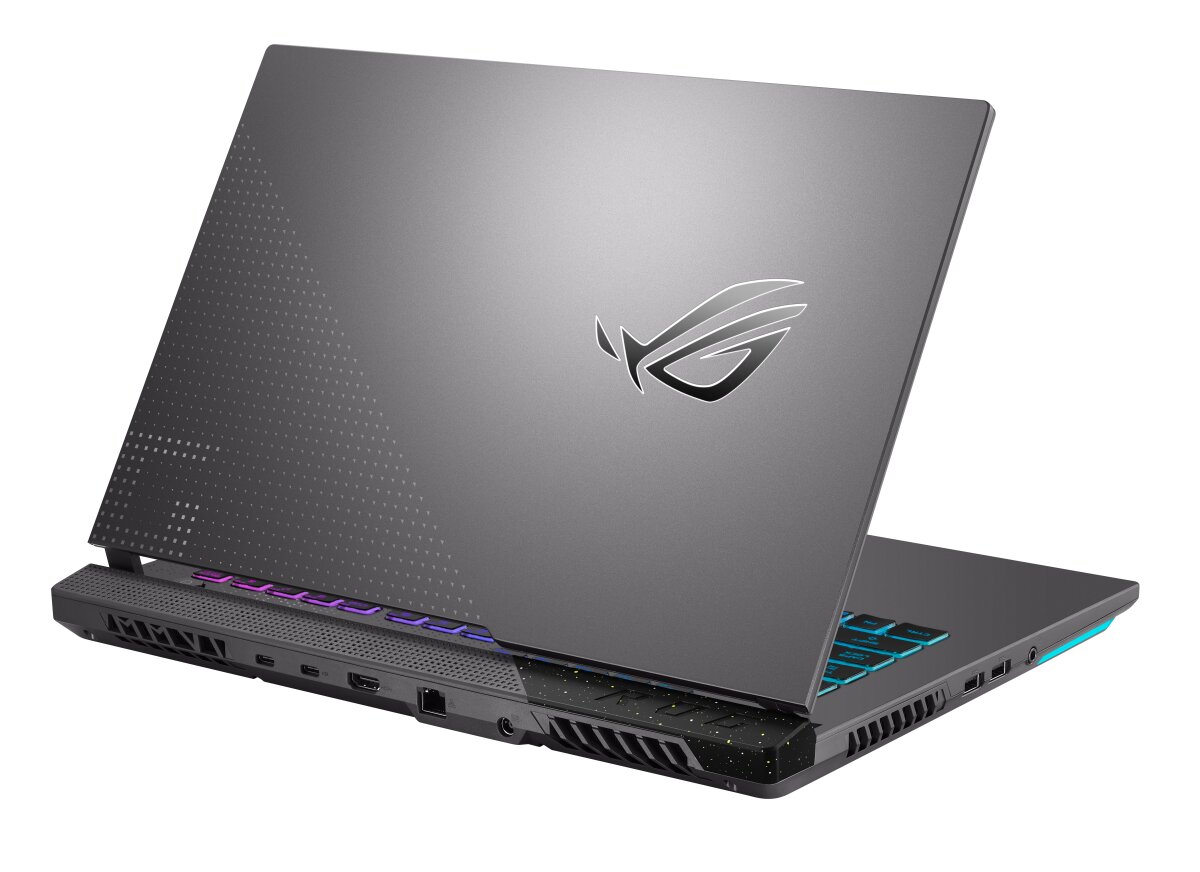
ASUS ROG Strix G15 G513RC-HF210 laptop specifications indicate DDR5-SDRAM memory upgrade capability. The system features 2x SO-DIMM slots supporting maximum RAM capacity of 32 GB total. Compatible memory operates at 4800 MHz frequency with SO-DIMM form factor. Upgrade specifications allow for dual-channel memory configuration to enhance system performance. Maximum supported capacity represents 16 GB per individual slot installation.
Memory Upgrade Specifications
| Specification | Value |
|---|---|
| Memory slots | 2x SO-DIMM |
| Form factor | SO-DIMM |
| Memory type | DDR5-SDRAM |
| Frequency | 4800 MHz |
| Maximum RAM | 32 GB |
| Voltage | 1.1V |
| Number of pins | 262-pin |
| Interface | PC5 |
| PC Speed Rating | PC5-4800 (PC5-38400) |
| Bandwidth | 38.4 GB/s |
| Laptop Release date | 28 February 2023 |
Additional Notes
- The presence of 2 SO-DIMM slots allows for a dual-channel memory configuration which increases memory bandwidth and improves integrated graphics performance.
- Replacement of existing modules is necessary for capacity upgrades due to the lack of empty expansion slots.
- The DDR5 architecture utilized in the ASUS ROG G513RC-HF210 implements On-Die ECC (Error Correction Code) for enhanced internal data stability during high-speed operations.
- Performance is restricted to the JEDEC standard frequency of 4800 MHz as the platform does not support XMP or DOCP memory overclocking profiles.
- Upgrading beyond the 32 GB threshold carries risks of system instability or failure to POST even if higher capacity modules physically fit the slots.
- Lower latency modules with tight timings will automatically downclock to match the system firmware latency values regardless of the module ratings.
- Physical installation requires the use of static-safe tools and the disconnection of the internal battery to prevent short circuits on the motherboard circuitry.
- Mixing modules of different densities or ranks can result in the system defaulting to single-channel mode and reducing overall throughput.