ASUS ROG G513RC-ES73 RAM upgrade specifications
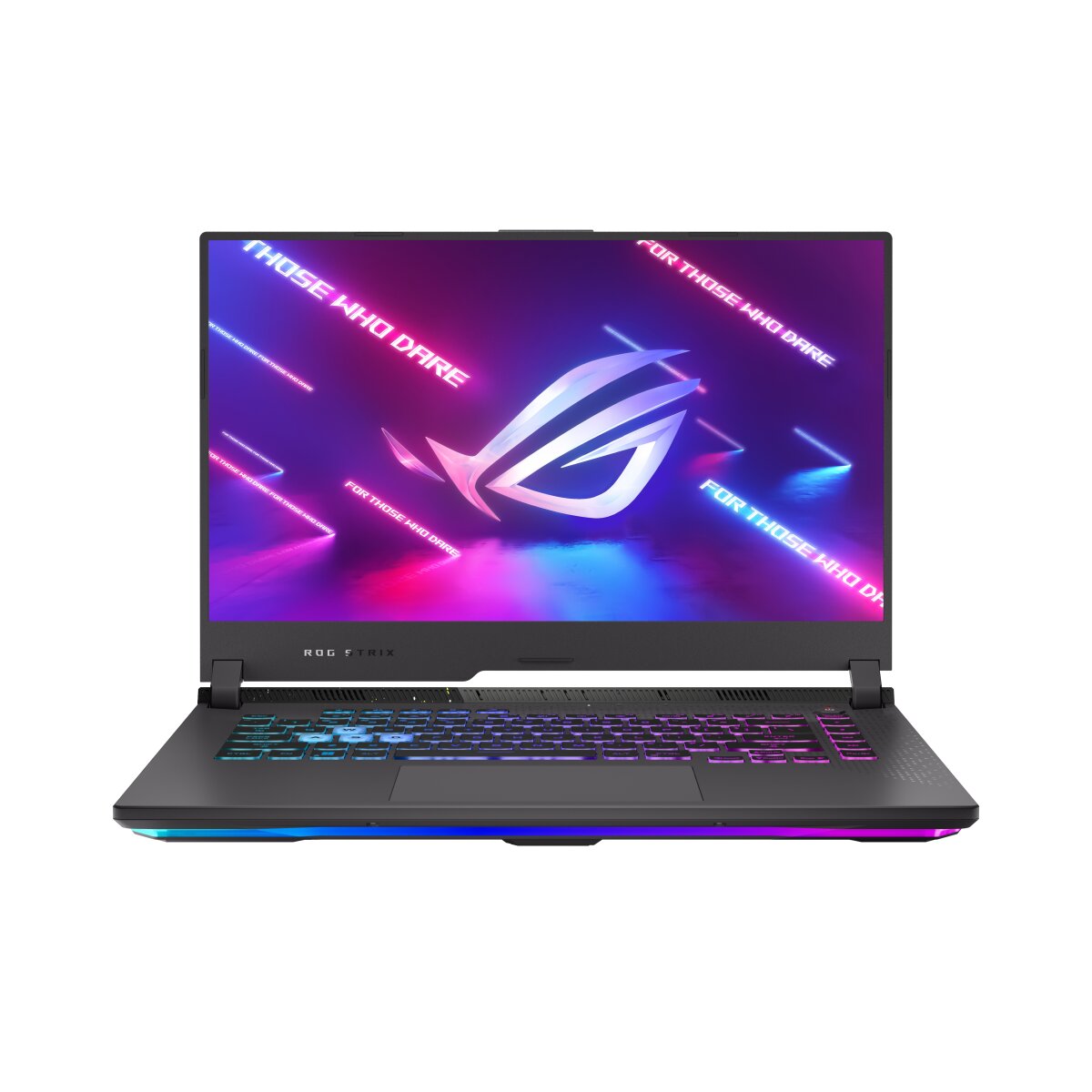


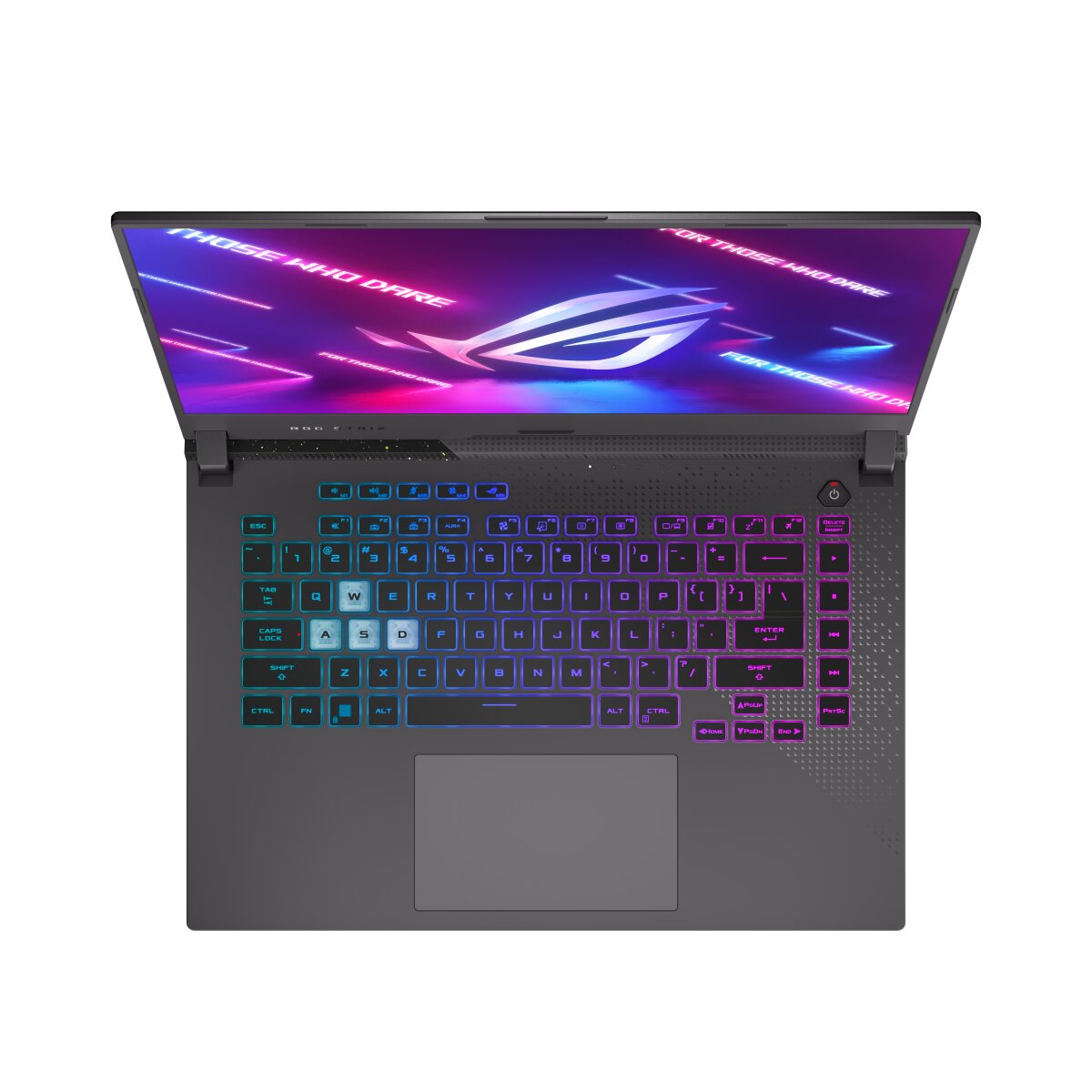
ASUS ROG Strix G15 model G513RC-ES73 features DDR5-SDRAM memory upgrade specifications with 2x SO-DIMM slots supporting maximum RAM capacity of 32 GB. Compatible memory modules operate at 4800 MHz frequency in SO-DIMM form factor. Upgrade specifications enable users to expand total system memory from factory-installed configurations up to the stated maximum capacity through compatible DDR5 modules installed in available slots.
Memory Upgrade Specifications
| Specification | Value |
|---|---|
| Memory slots | 2x SO-DIMM |
| Form factor | SO-DIMM |
| Memory type | DDR5-SDRAM |
| Frequency | 4800 MHz |
| Maximum RAM | 32 GB |
| Voltage | 1.1V |
| Number of pins | 262-pin |
| Interface | PC5 |
| PC Speed Rating | PC5-4800 (PC5-38400) |
| Bandwidth | 38.4 GB/s |
| Laptop Release date | 07 May 2023 |
Additional Notes
- The ASUS ROG G513RC-ES73 uses DDR5 modules, which are not backward compatible with DDR4, requiring users to source the correct generation when upgrading.
- The 32 GB maximum capacity suggests a chipset or BIOS limitation that prevents recognition of higher-density modules, even if physically compatible SO-DIMMs are installed.
- Dual SO-DIMM slots enable dual-channel operation, which doubles theoretical memory bandwidth compared to single-channel configurations when matched modules are installed.
- Operating at 4800 MHz represents DDR5's entry-level speed tier, meaning the system may not benefit from higher-frequency modules unless BIOS updates later unlock faster JEDEC or XMP profiles.
- SO-DIMM form factor restricts upgrades to laptop-specific modules, which typically cost more per gigabyte than desktop DIMMs and have fewer vendor options at equivalent specifications.
- DDR5's on-die ECC architecture provides internal error correction without user configuration, reducing data corruption risk during intensive workloads compared to non-ECC DDR4.
- Two-slot configuration limits upgrade flexibility, as reaching 32 GB requires replacing both modules with 16 GB units rather than adding to existing memory.
- 4800 MHz DDR5 delivers approximately 38.4 GB/s per channel, totaling 76.8 GB/s in dual-channel mode, which may bottleneck GPU-intensive tasks if VRAM sharing is enabled.
- Mismatched module speeds will cause the system to downclock all RAM to the slowest installed frequency, negating any performance advantage from mixing 4800 MHz and faster modules.
- Warranty preservation typically requires using modules within official specifications, meaning exceeding 32 GB or 4800 MHz may void coverage if damage occurs during non-standard configurations.