ASUS ROG G513QY-HQ129 RAM upgrade specifications



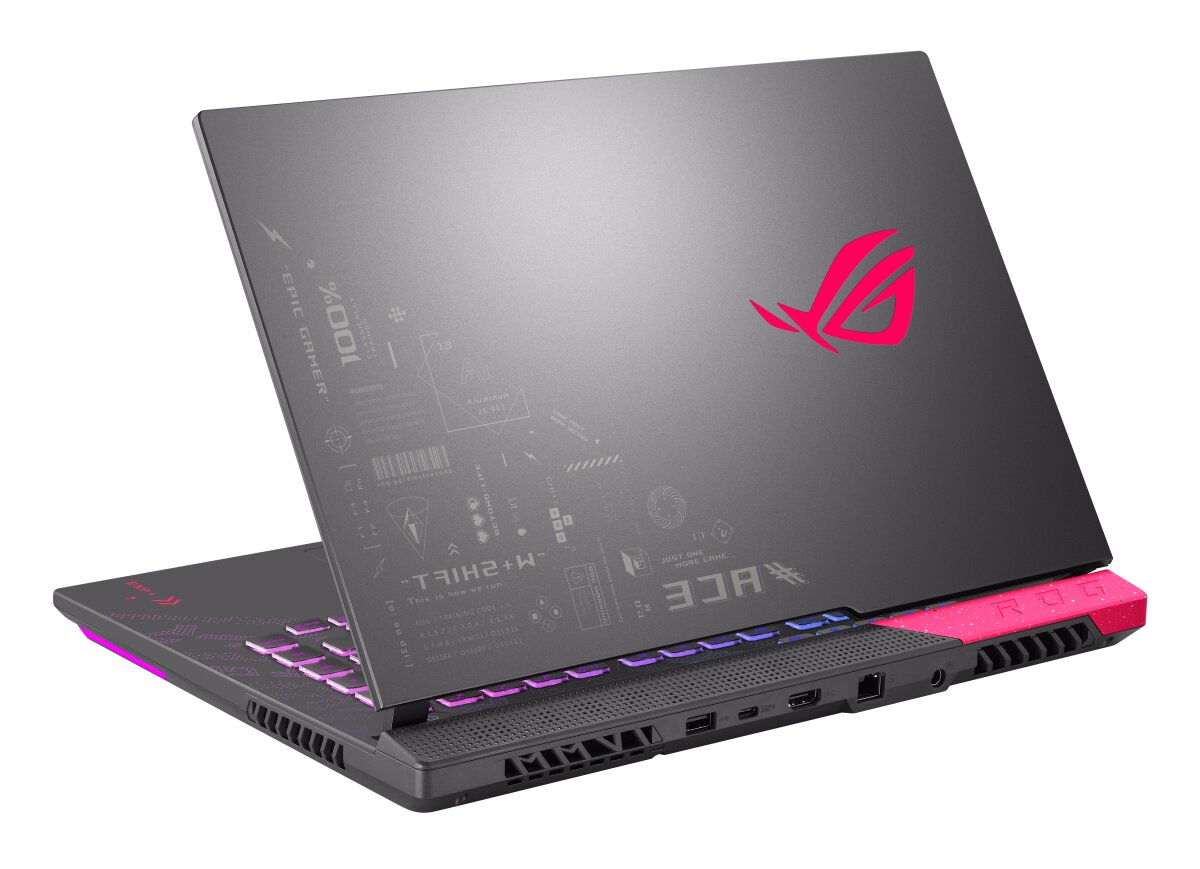
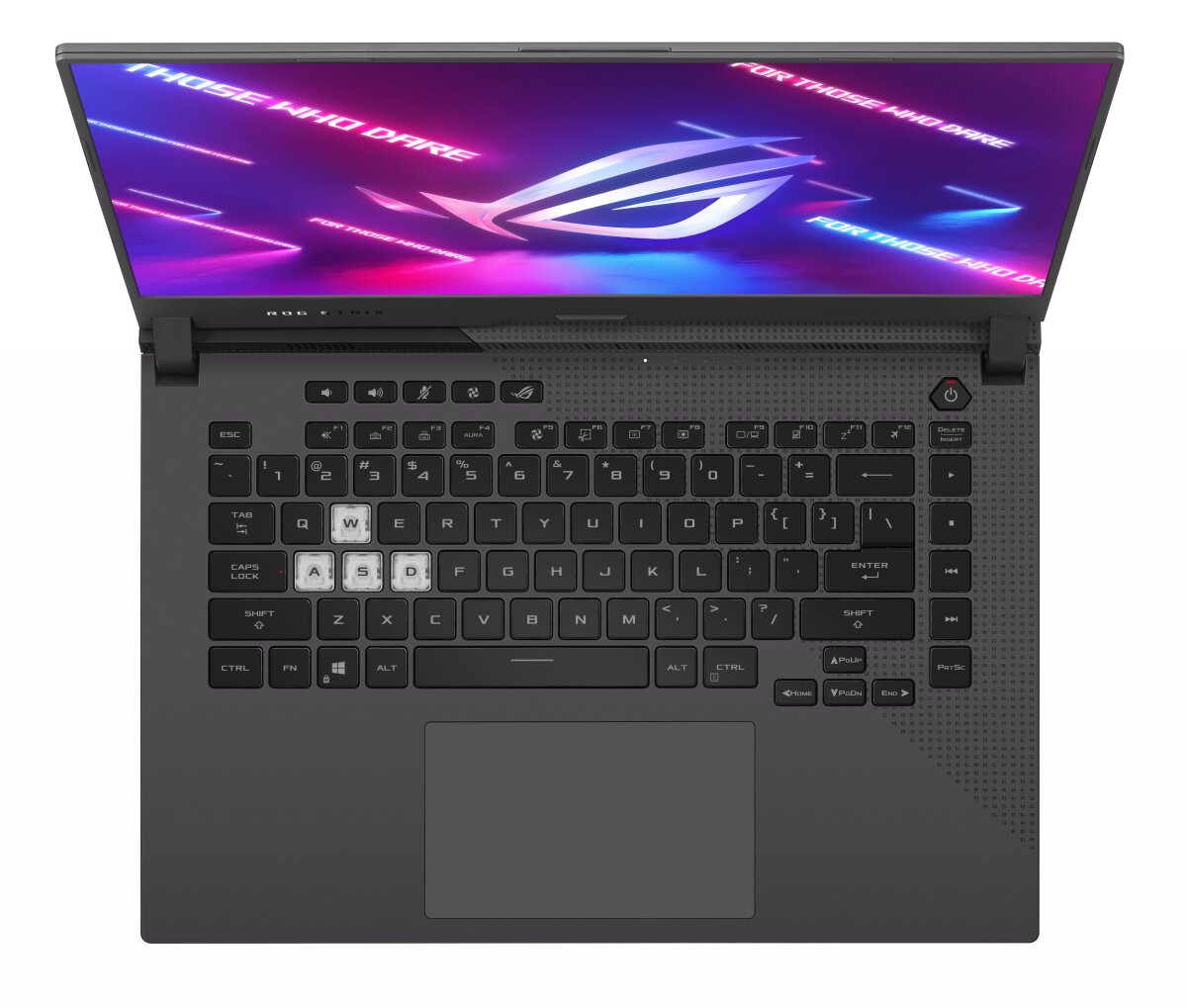
ASUS ROG Strix G15 G513QY-HQ129 memory upgrade specifications include two SO-DIMM slots supporting DDR4-SDRAM at 3200 MHz frequency. Maximum RAM capacity reaches 32 GB total. Compatible memory modules must match DDR4 specifications and SO-DIMM form factor for proper installation. Upgrade options allow users to expand memory from factory configuration up to 32 GB maximum capacity.
Memory Upgrade Specifications
| Specification | Value |
|---|---|
| Memory slots | 2x SO-DIMM |
| Form factor | SO-DIMM |
| Memory type | DDR4-SDRAM |
| Frequency | 3200 MHz |
| Maximum RAM | 32 GB |
| Voltage | 1.2V |
| Number of pins | 260-pin |
| Interface | PC4 |
| PC Speed Rating | PC4-3200 (PC4-25600) |
| Bandwidth | 25.6 GB/s |
| Laptop Release date | 31 March 2022 |
Additional Notes
- The 32 GB ceiling stems from chipset limitations rather than physical slot availability, preventing future-proofing beyond dual-channel 16 GB modules regardless of density advancements in DDR4 technology.
- Mixing modules with different latencies forces the memory controller to default to the slower timing specification across both channels, degrading performance even when frequency remains matched at 3200 MHz.
- Single-rank versus dual-rank module architecture affects interleaving efficiency on this ASUS ROG G513QY-HQ129 platform, with mismatched configurations potentially reducing bandwidth despite identical capacity and speed ratings.
- Non-standard module heights exceeding JEDEC specifications for SO-DIMM form factors risk interference with keyboard assemblies or thermal solutions in this chassis design.
- Voltage variations outside the DDR4 standard 1.2V specification may trigger stability issues or thermal throttling, as gaming-oriented platforms typically lack voltage adjustment options available in desktop counterparts.
- Asymmetric memory population, such as pairing 8 GB with 16 GB modules, disables flex mode benefits and forces the controller into less efficient single-channel operation for addresses beyond the smaller module capacity.
- Third-party modules lacking XMP profiles compatible with AMD memory controllers require manual timing configuration through BIOS, which remains locked on most factory-sealed laptops to prevent warranty voidance.
- The 3200 MHz specification represents the maximum supported JEDEC standard speed, meaning advertised higher-frequency kits revert to this baseline without overclocking support unavailable in mobile platforms.
- Modules utilizing non-standard IC configurations or untested thermal sensor implementations may fail POST validation checks embedded in firmware, despite meeting published specifications on paper.
- Accessing SO-DIMM slots typically requires bottom panel removal, voiding seals that manufacturers use to track unauthorized service interventions separate from component replacement warranty coverage.