ASUS ROG G513RC-EH71 RAM upgrade specifications
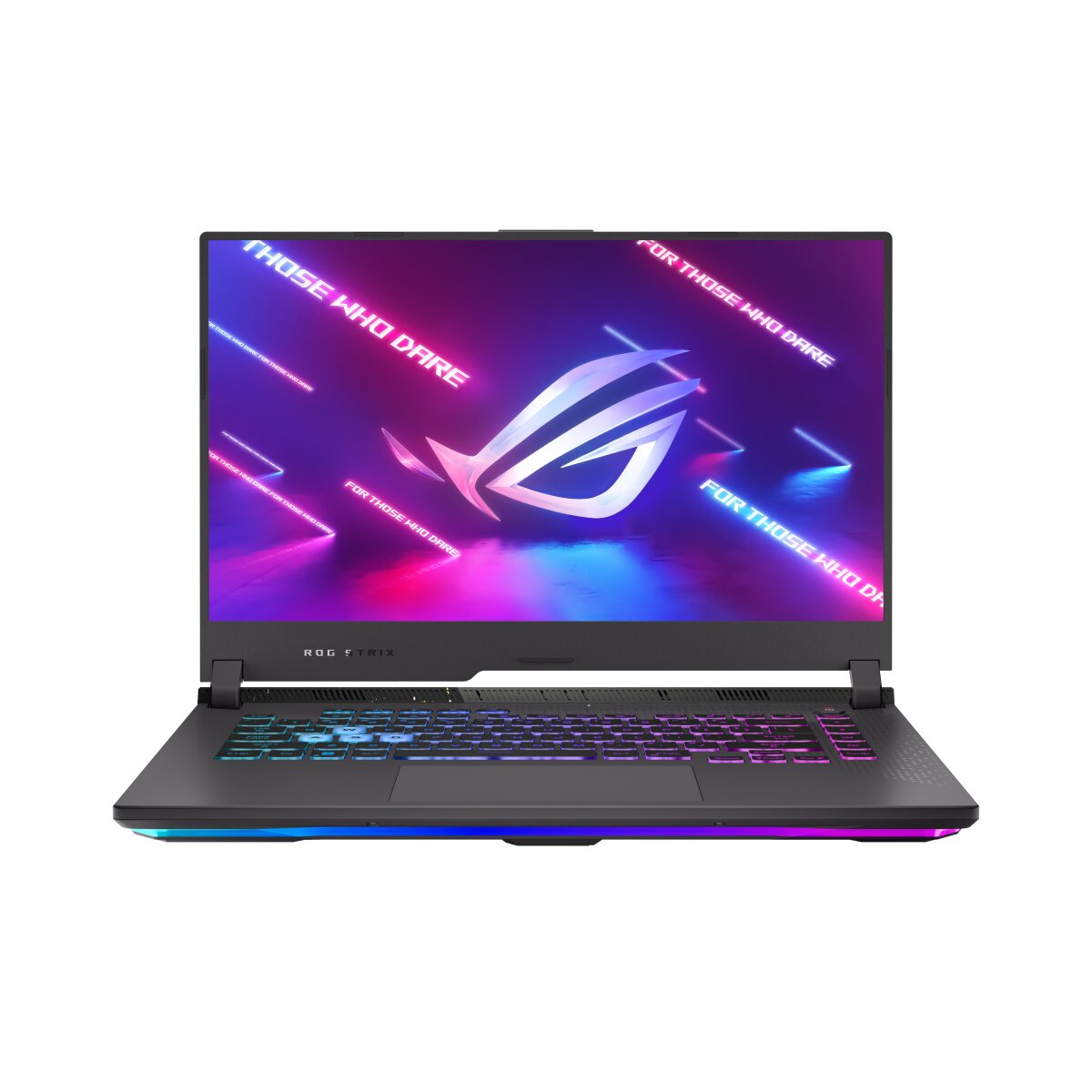
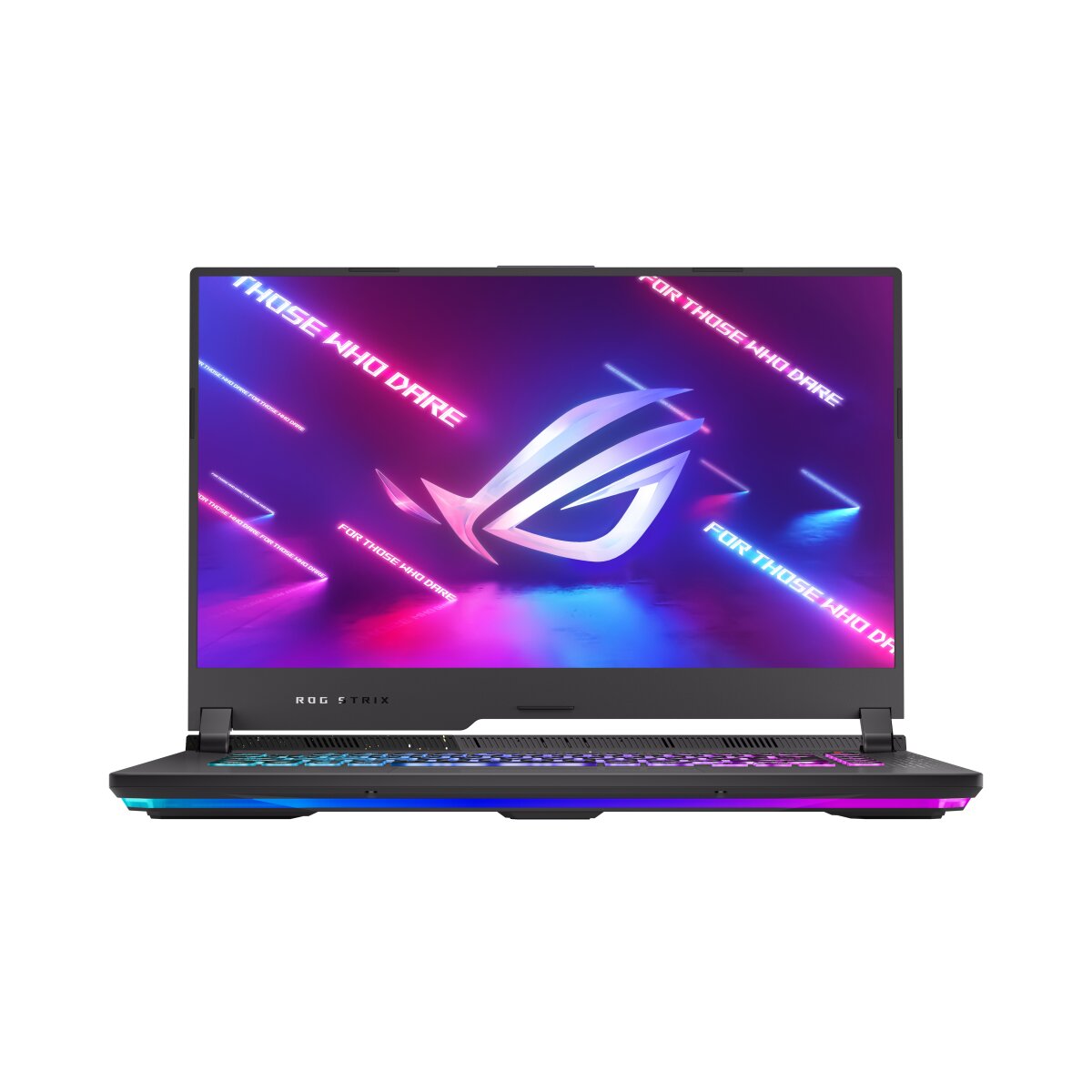

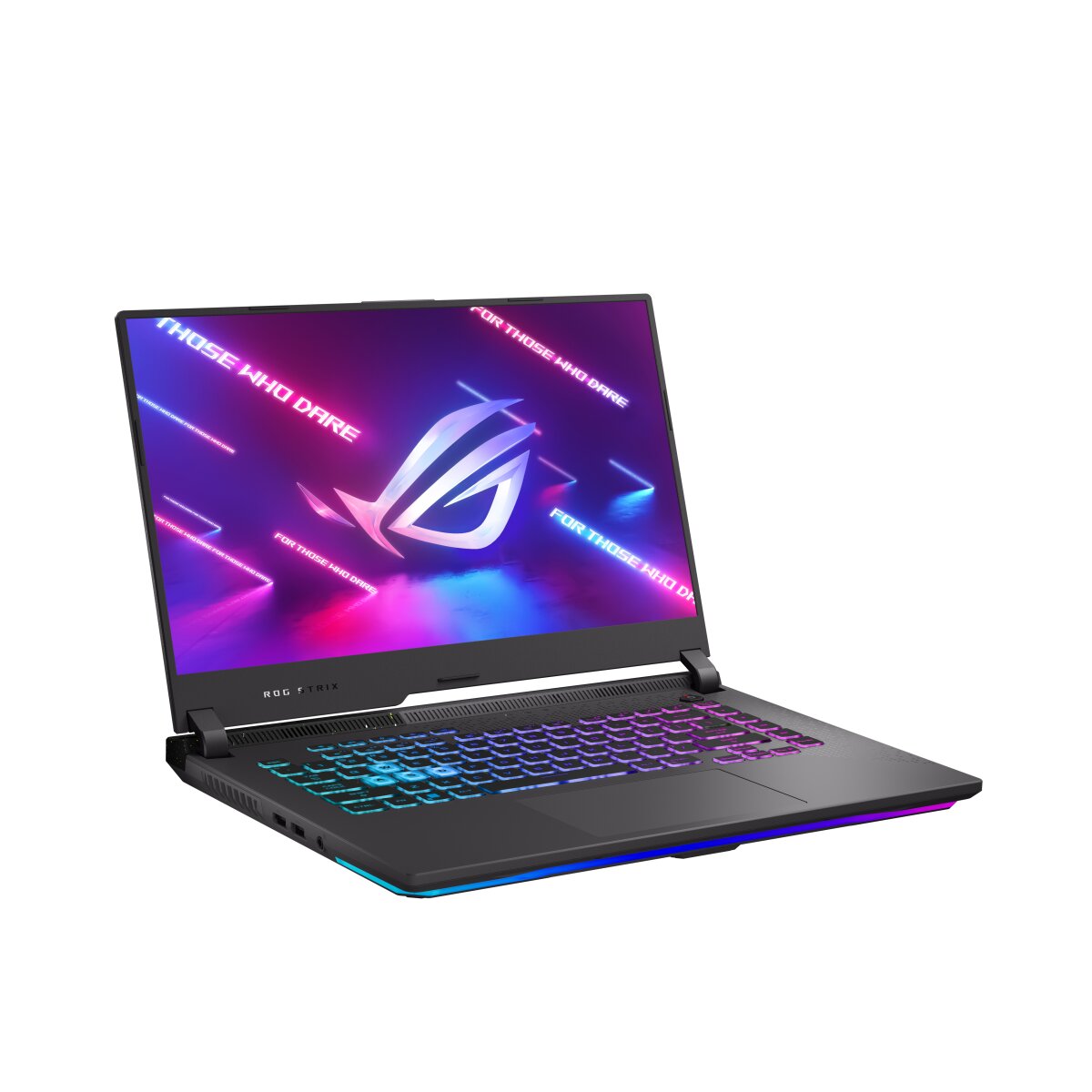
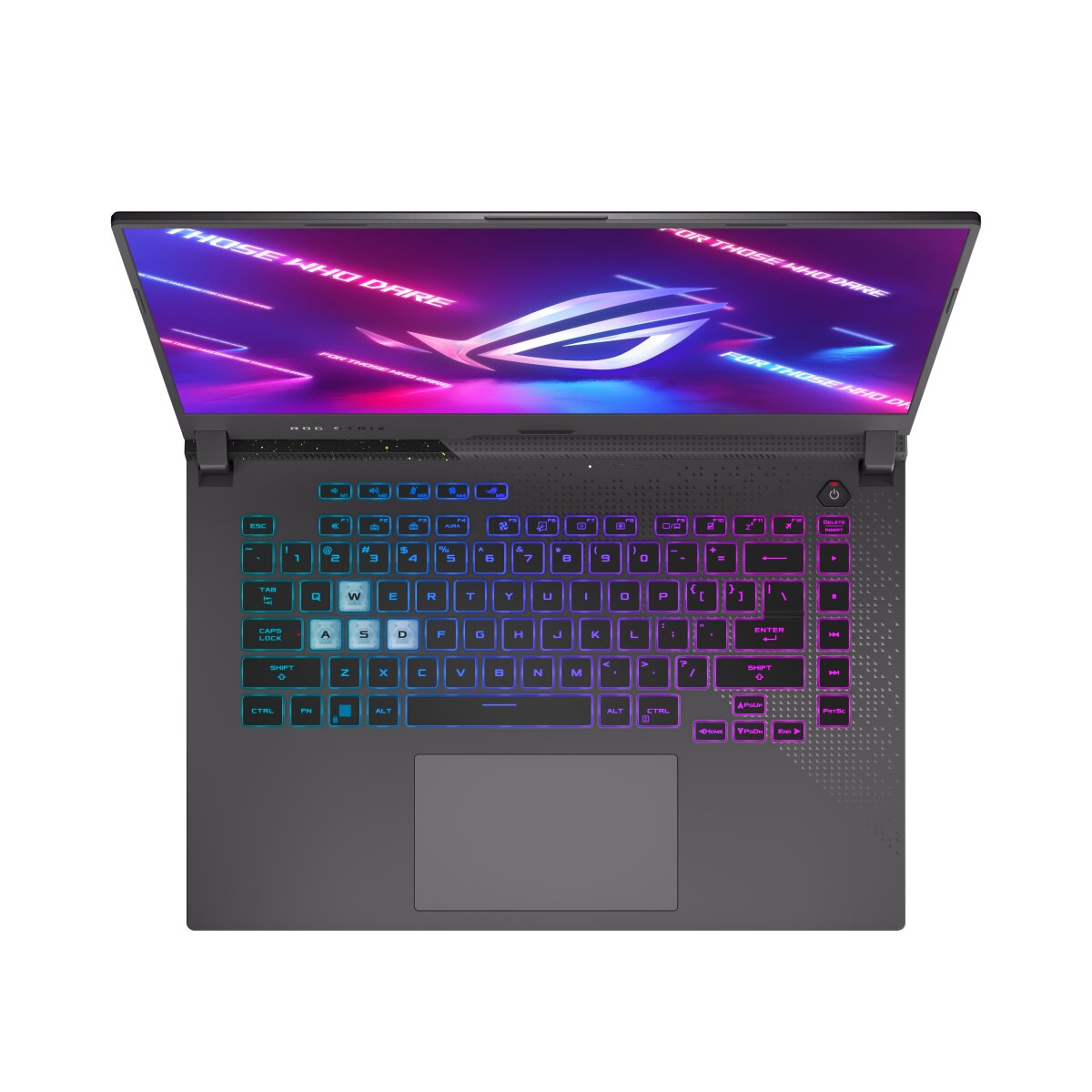
The ASUS ROG Strix G15 G513RC-EH71 gaming laptop features DDR5-SDRAM memory upgrade specifications. The system includes 2x SO-DIMM slots compatible with DDR5 modules operating at 4800 MHz frequency. Maximum RAM capacity reaches 32 GB when both memory slots are fully populated. Specifications support SO-DIMM form factor modules for this particular model configuration.
Memory Upgrade Specifications
| Specification | Value |
|---|---|
| Memory slots | 2x SO-DIMM |
| Form factor | SO-DIMM |
| Memory type | DDR5-SDRAM |
| Frequency | 4800 MHz |
| Maximum RAM | 32 GB |
| Voltage | 1.1V |
| Number of pins | 262-pin |
| Interface | PC5 |
| PC Speed Rating | PC5-4800 (PC5-38400) |
| Bandwidth | 38.4 GB/s |
Additional Notes
- DDR5 memory operates at reduced voltage (1.25V) compared to DDR4 (1.2V nominal), requiring compatible SO-DIMM modules specifically rated for DDR5 to prevent hardware damage. Substituting DDR4 modules will not function due to incompatible slot key positioning.
- The 2-slot configuration on the ASUS ROG G513RC-EH71 provides no upgrade flexibility beyond the 32 GB ceiling. Replacing either module requires full removal of existing memory, creating a single upgrade path rather than additive capacity expansion.
- 4800 MHz rated frequency depends on Intel Raptor Lake processor support and BIOS configuration. Memory may default to JEDEC standard 4400 MHz speeds if not manually overclocked in UEFI settings, resulting in actual performance below specification.
- SO-DIMM physical constraints restrict upgrade sourcing to laptop-specific modules rather than desktop alternatives. Standard UDIMM RAM cannot be mechanically inserted, eliminating access to broader aftermarket inventory and potentially increasing acquisition cost per module.
- Symmetrical dual-channel population (matching capacity per slot) optimizes memory bandwidth utilization. Mismatched module sizes or speeds may trigger degraded performance modes or BIOS compatibility warnings, though operation typically continues without failure.
- Maximum 32 GB capacity represents the hard limit imposed by the chipset architecture. Additional memory beyond this threshold cannot be recognized or mapped by the system, making this ceiling non-negotiable regardless of module availability.