ASUS ROG G513RC-HN038 RAM upgrade specifications




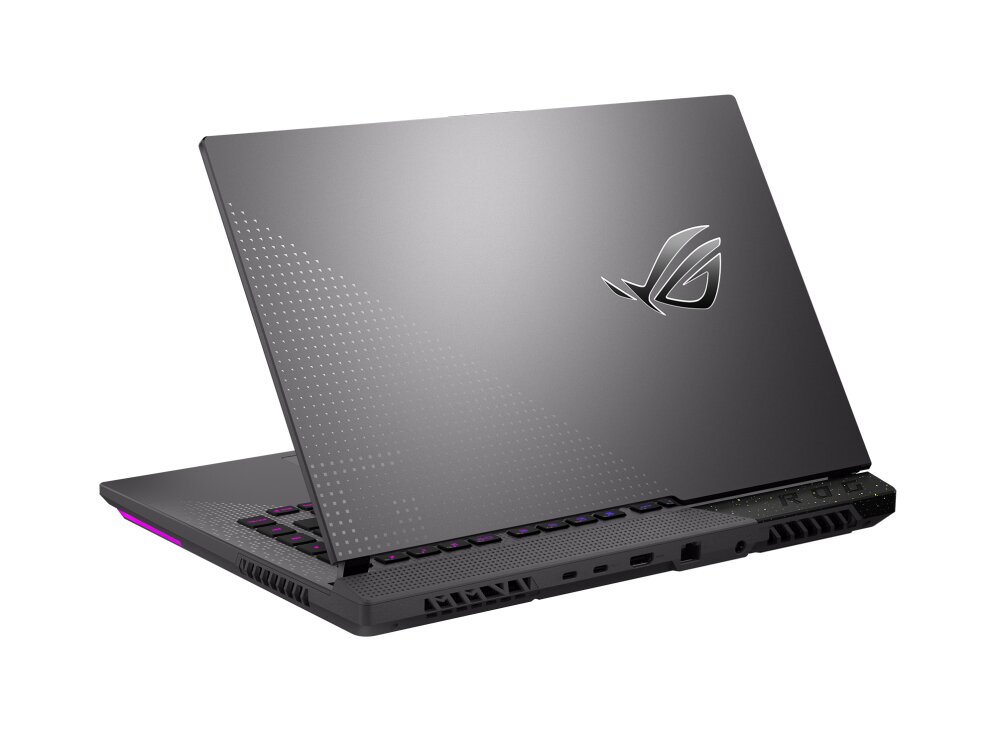
The ASUS ROG Strix G15 model G513RC-HN038 features DDR5-SDRAM memory upgrade capabilities with two SO-DIMM slots supporting a maximum RAM capacity of 32 GB. The memory specifications include DDR5-4800 MHz frequency support. Compatible upgrade modules utilize the SO-DIMM form factor standard for laptop installations. The dual-slot configuration allows for flexible memory expansion and configuration options to meet varying performance requirements. Specifications indicate support for high-speed DDR5 memory technology integrated within the gaming laptop platform.
Memory Upgrade Specifications
| Specification | Value |
|---|---|
| Memory slots | 2x SO-DIMM |
| Form factor | SO-DIMM |
| Memory type | DDR5-SDRAM |
| Frequency | 4800 MHz |
| Maximum RAM | 32 GB |
| Voltage | 1.1V |
| Number of pins | 262-pin |
| Interface | PC5 |
| PC Speed Rating | PC5-4800 (PC5-38400) |
| Bandwidth | 38.4 GB/s |
Additional Notes
- The ASUS ROG G513RC-HN038 relies on DDR5-SDRAM technology, which operates at higher voltages than DDR4 and uses different pin configurations, preventing any backward compatibility with older memory standards.
- SO-DIMM slots restrict upgrades to laptop-specific modules measuring 67.6 mm in length, excluding standard desktop DIMM modules that measure 133.35 mm.
- The 32 GB ceiling translates to either 2x16 GB modules in dual-channel configuration or a single 32 GB module in single-channel mode, with the former delivering approximately double the memory bandwidth.
- DDR5-4800 modules featuring CAS latencies above CL40 may introduce noticeable delays in memory-intensive operations despite matching the rated frequency.
- Mixing modules with different densities or timings can force the memory controller to downclock all modules to the lowest common specification, negating performance benefits of higher-rated RAM.
- Installing non-JEDEC standard modules or those exceeding voltage specifications may void manufacturer warranty coverage on the motherboard and memory subsystem.
- The 4800 MHz specification represents the baseline DDR5 speed, meaning modules rated at 5200 MHz or higher will typically downclock to match the system's supported frequency.
- Accessing SO-DIMM slots on gaming laptops often requires removing multiple internal components or the entire bottom panel, increasing the risk of damage to ribbon cables and thermal interfaces during installation.
- DDR5's on-die ECC functionality operates independently of user configuration but does not substitute for full ECC protection found in workstation-grade systems.
- Single-rank versus dual-rank module architecture at identical capacities can yield 5-15% performance variance in bandwidth-sensitive applications, though physical labeling rarely indicates rank configuration.