ASUS ROG G513RC-HN038W RAM upgrade specifications
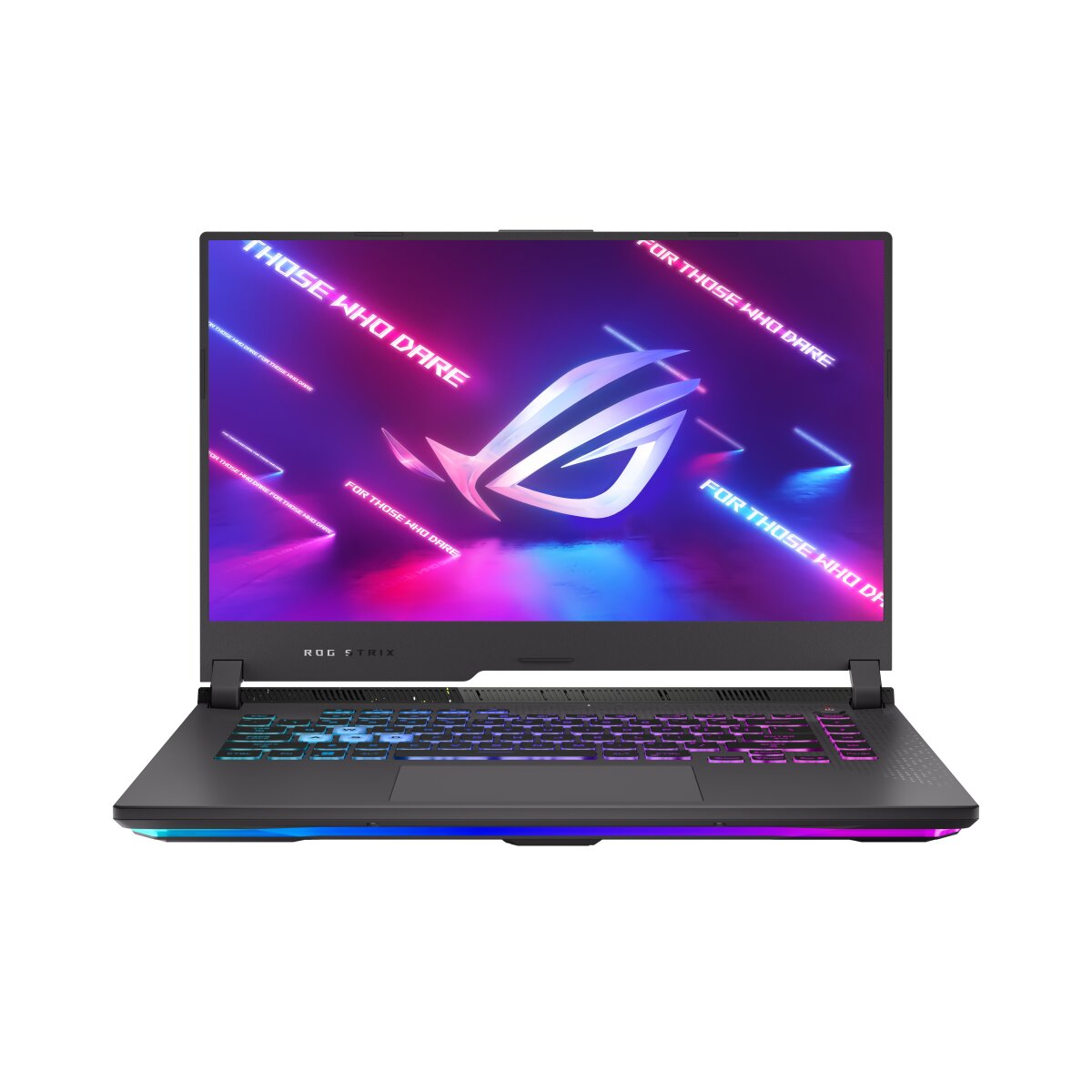



The ASUS ROG Strix G15 G513RC-HN038W features DDR5-SDRAM memory upgrade specifications with two SO-DIMM slots supporting maximum capacity of 32 GB. Compatible memory modules operate at 4800 MHz frequency. The laptop accommodates SO-DIMM form factor RAM upgrades, enabling users to expand system memory up to the specified maximum capacity for enhanced performance and multitasking capabilities.
Memory Upgrade Specifications
| Specification | Value |
|---|---|
| Memory slots | 2x SO-DIMM |
| Form factor | SO-DIMM |
| Memory type | DDR5-SDRAM |
| Frequency | 4800 MHz |
| Maximum RAM | 32 GB |
| Voltage | 1.1V |
| Number of pins | 262-pin |
| Interface | PC5 |
| PC Speed Rating | PC5-4800 (PC5-38400) |
| Bandwidth | 38.4 GB/s |
| Laptop Release date | 22 May 2022 |
Additional Notes
- The ASUS ROG G513RC-HN038W contains 2 SO-DIMM slots with a combined ceiling of 32 GB, meaning maximum practical expansion reaches 16 GB per module rather than larger single-module configurations available in desktop platforms.
- DDR5-4800 MHz memory operates at JEDEC standard frequency, not manufacturer-overclocked speeds; this constrains performance gains from memory upgrades unless the motherboard BIOS actively enables XMP profiles, which may void certain manufacturer protections on gaming laptops.
- SO-DIMM form factor requires laptop-specific modules and cannot accept desktop DDR5 DIMMs; sourcing compatible 16 GB SO-DIMM sticks at 4800 MHz may incur extended lead times or premium pricing compared to mainstream desktop configurations.
- Two-slot architecture prevents staged memory upgrades; replacing both existing modules simultaneously becomes necessary to reach the 32 GB maximum, creating a single point of compatibility risk if new modules exhibit latency issues with the existing controller.
- DDR5 memory in laptops typically dissipates higher thermal energy than DDR4 equivalents; sustained gaming workloads at full RAM capacity may increase internal chassis temperatures, potentially triggering thermal throttling of the CPU or GPU if system cooling pathways remain unchanged post-upgrade.
- The 32 GB ceiling provides sufficient headroom for modern gaming and content creation workflows, but leaves no expansion pathway beyond this limit; future applications requiring 48 GB or 64 GB would necessitate a complete platform replacement rather than incremental upgrades.