ASUS ROG G513RC-HN089W RAM upgrade specifications


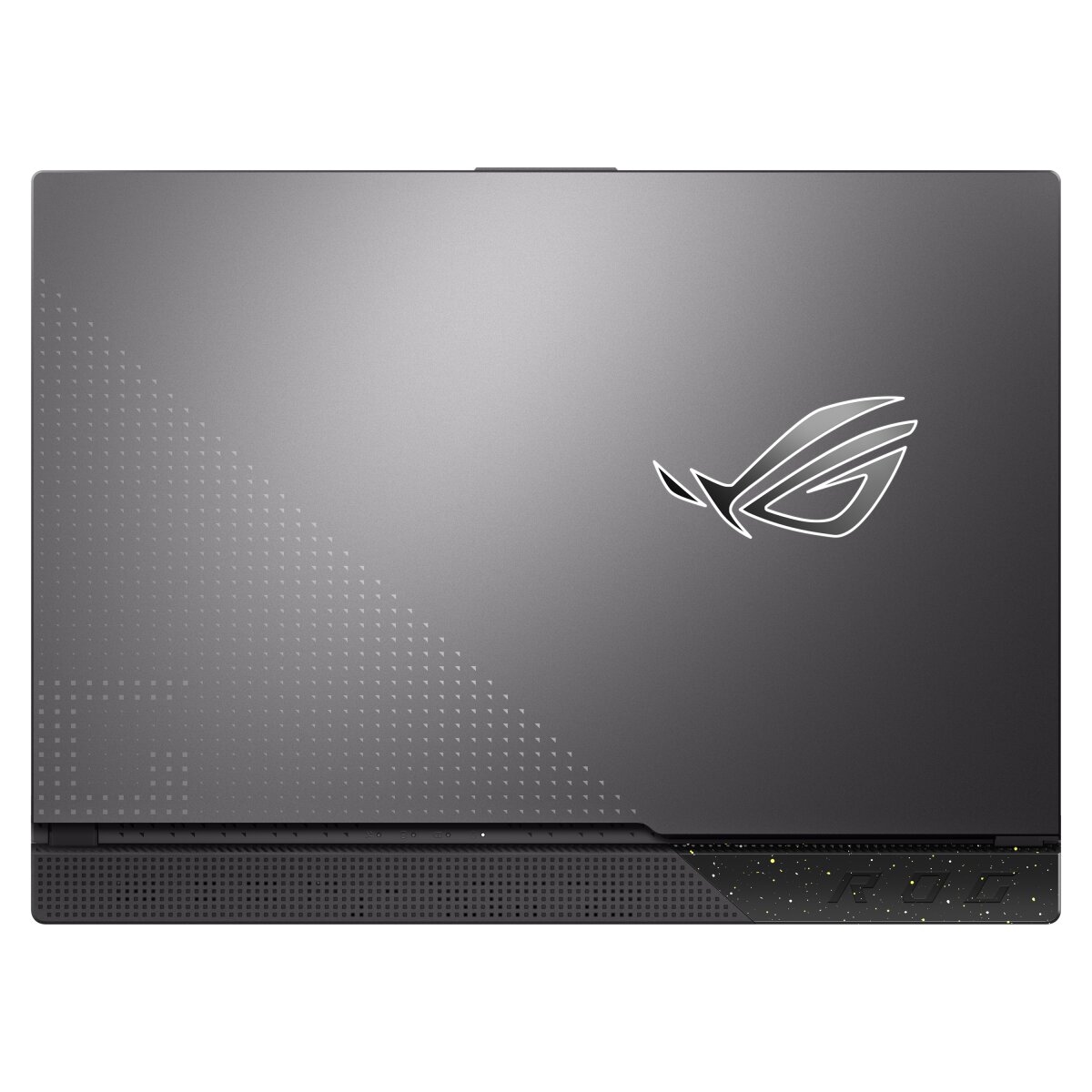
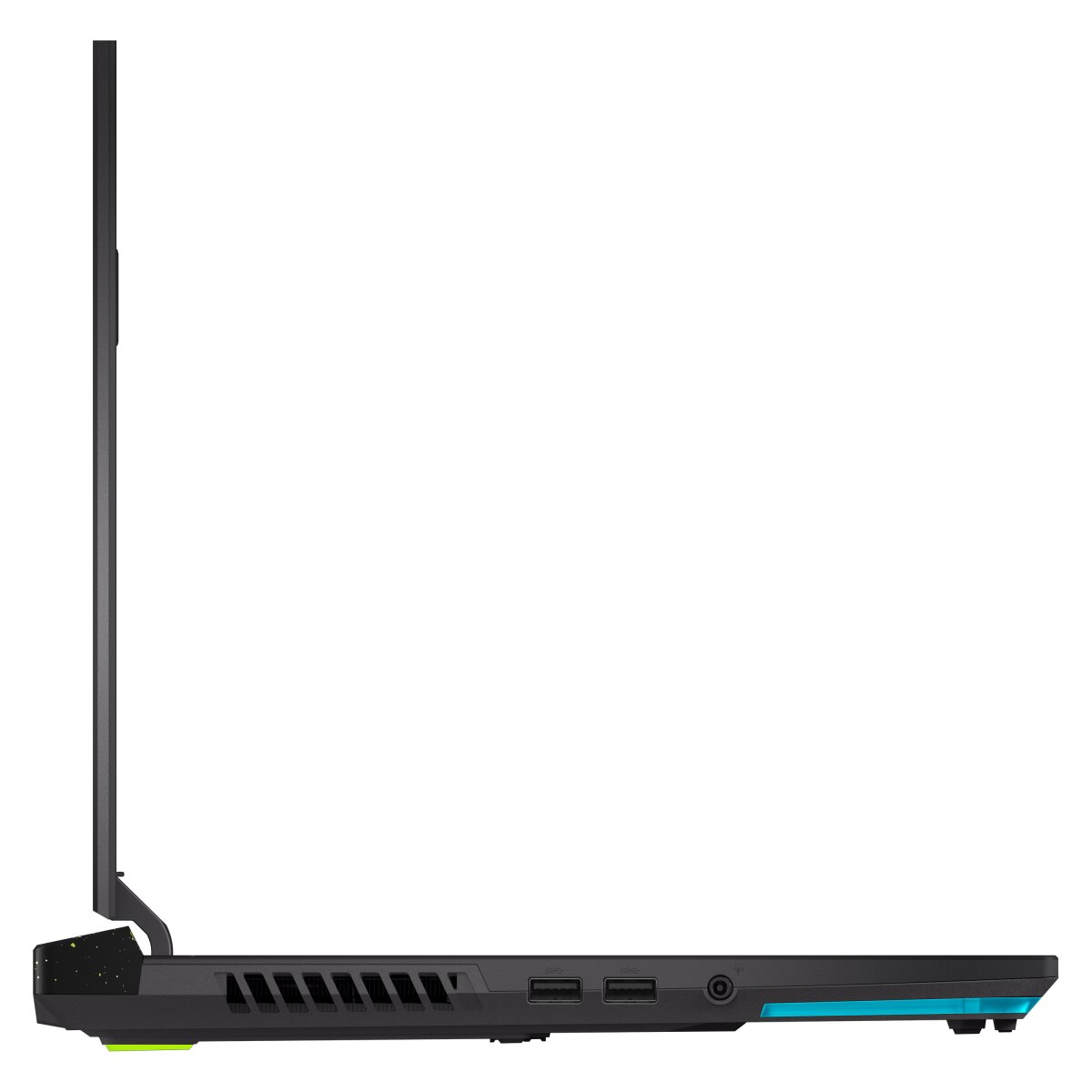
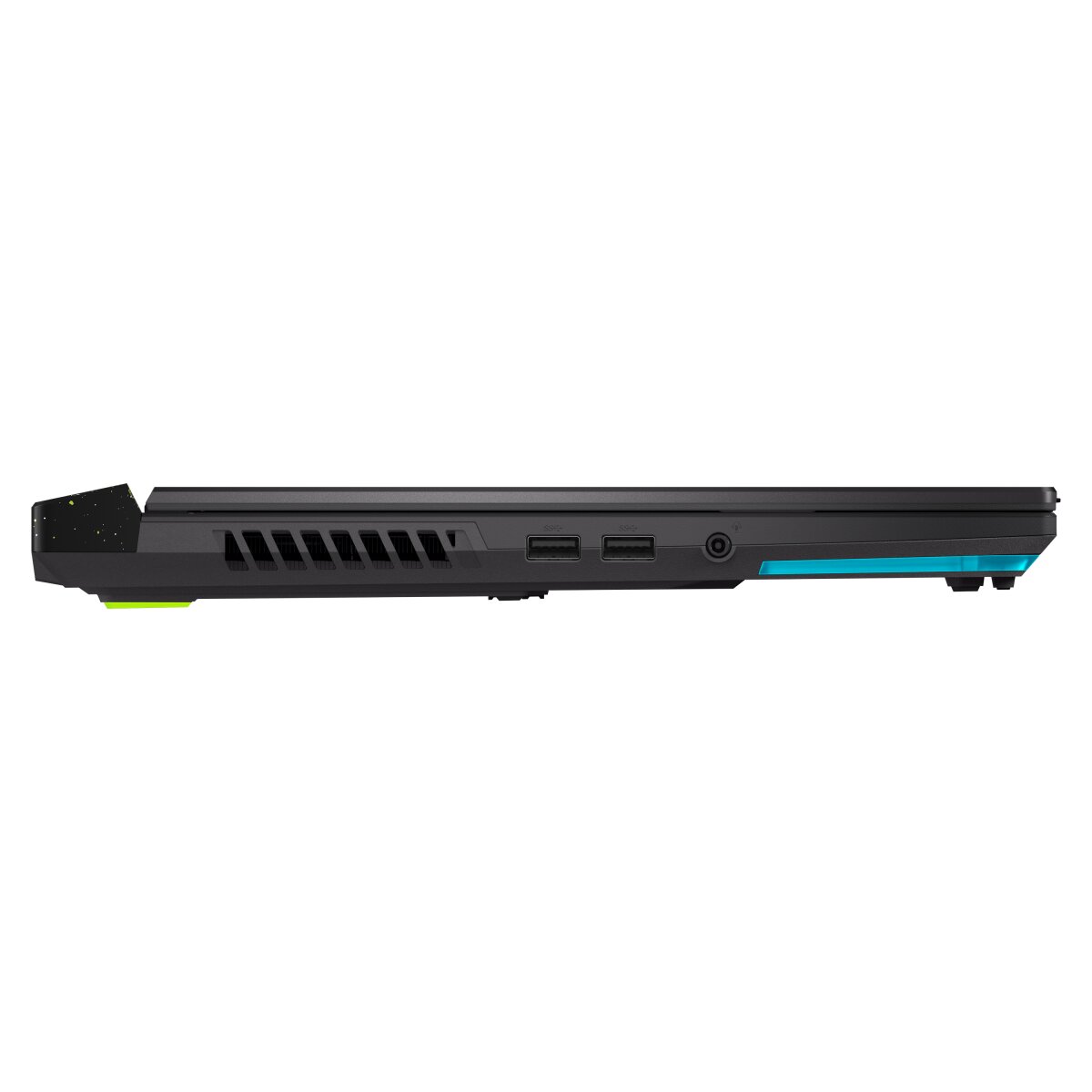
The ASUS ROG Strix G15 G513RC-HN089W features DDR5-SDRAM memory upgrade capacity through 2 SO-DIMM slots, supporting maximum RAM specifications of 32 GB total. Compatible memory operates at 4800 MHz frequency. The laptop's memory configuration allows for modular upgrade options via SO-DIMM form factor slots, enabling users to expand installed RAM capacity up to the maximum supported specifications for enhanced performance and multitasking capabilities.
Memory Upgrade Specifications
| Specification | Value |
|---|---|
| Memory slots | 2x SO-DIMM |
| Form factor | SO-DIMM |
| Memory type | DDR5-SDRAM |
| Frequency | 4800 MHz |
| Maximum RAM | 32 GB |
| Voltage | 1.1V |
| Number of pins | 262-pin |
| Interface | PC5 |
| PC Speed Rating | PC5-4800 (PC5-38400) |
| Bandwidth | 38.4 GB/s |
Additional Notes
- The ASUS ROG G513RC-HN089W implements dual-channel SO-DIMM architecture, requiring matched pairs for optimal memory interleaving and bandwidth utilization.
- DDR5-SDRAM operates at a baseline 1.1V compared to DDR4's 1.2V, reducing thermal output but requiring compatible voltage regulation on the motherboard.
- The 32 GB ceiling translates to a maximum module density of 16 GB per slot, which may limit future expansion as higher-capacity DDR5 modules become available.
- 4800 MHz represents DDR5's entry-level JEDEC standard, offering 38.4 GB/s theoretical bandwidth per channel when properly configured in dual-channel mode.
- SO-DIMM format restricts aftermarket module selection compared to desktop DIMM availability, particularly for speed bins exceeding JEDEC specifications.
- Mixing DDR5 modules with different speeds will force all installed memory to operate at the lowest common frequency, negating any performance advantage of faster modules.
- The absence of ECC specification indicates standard unbuffered memory, which prioritizes cost and compatibility over error correction capabilities.
- DDR5's on-die ECC differs from traditional ECC-DIMM architecture, providing internal error correction without exposing corrected error data to the operating system.
- Single-rank versus dual-rank module topology affects interleaving behavior, with mixed configurations potentially reducing memory subsystem efficiency.
- 4800 MHz operation generates specific signal integrity requirements for trace routing on the motherboard, limiting third-party module compatibility to JEDEC-compliant specifications.
- The SO-DIMM slot mechanism typically supports 10,000 insertion cycles before mechanical degradation, relevant for users performing frequent upgrades.
- DDR5's higher prefetch buffer (16n vs DDR4's 8n) improves burst access patterns but increases minimum latency per operation, affecting specific workload responsiveness.
- Memory slots positioned beneath keyboard assemblies on many ROG models require partial disassembly, complicating field upgrades compared to bottom-panel access designs.
- The 32 GB limit combined with modern operating system overhead leaves approximately 30 GB available for application use after system reservation.
- DDR5-4800 timing specifications typically range from CL40 to CL46, with tighter timings providing marginal real-world performance gains outside synthetic benchmarks.