ASUS ROG G513RC-HN180 RAM upgrade specifications
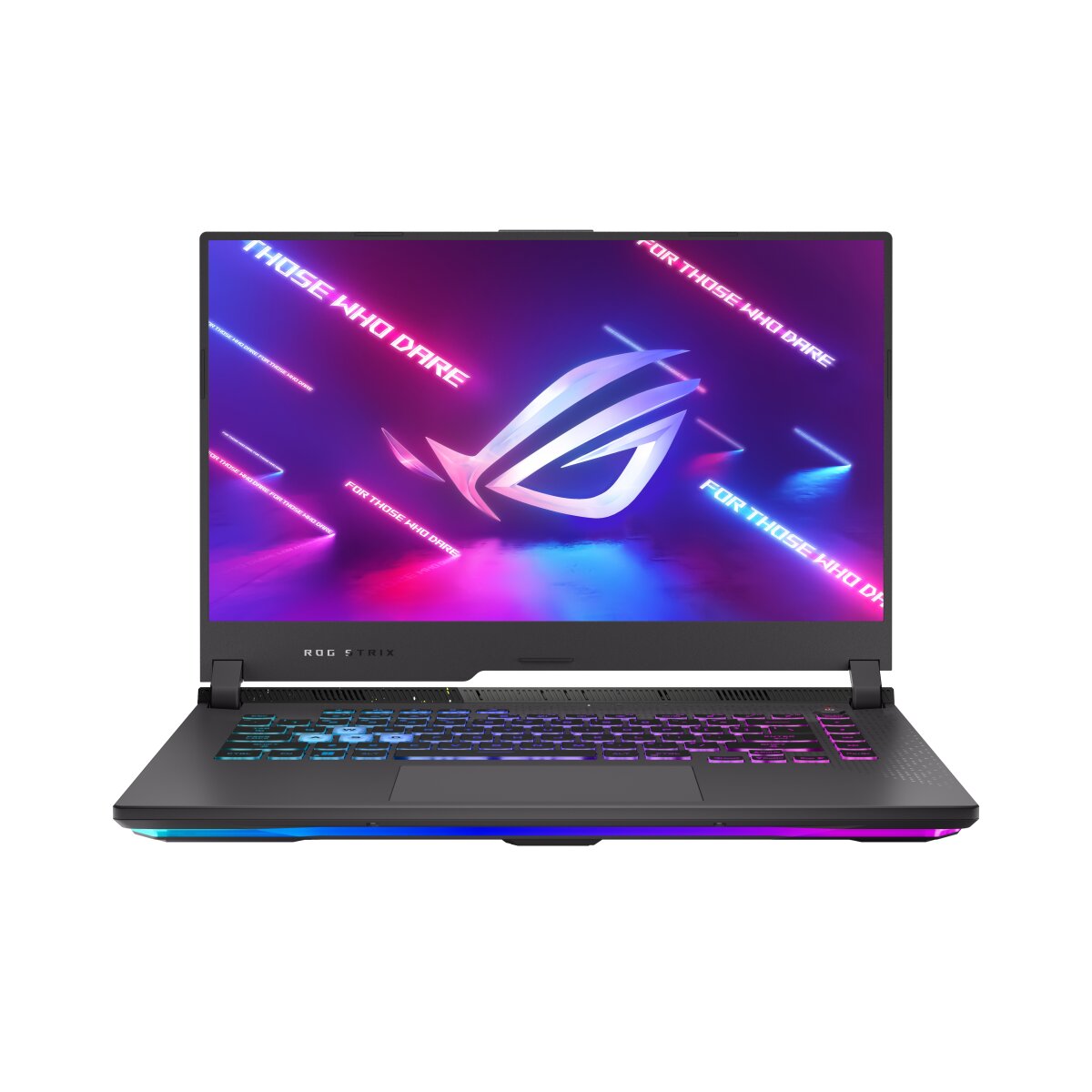
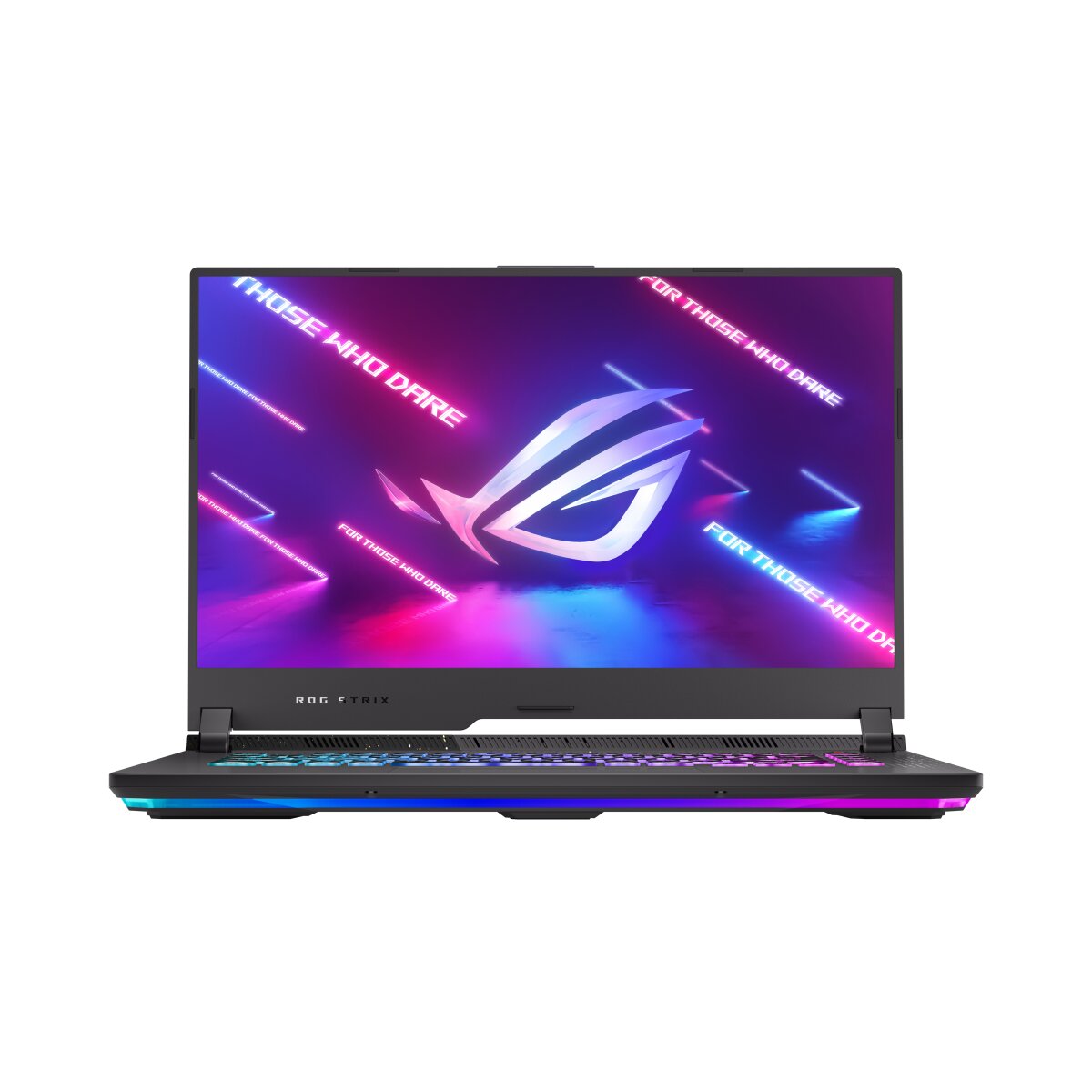



The ASUS ROG Strix G15 G513RC-HN180 features DDR5-SDRAM memory with two SO-DIMM slots supporting maximum RAM capacity of 32 GB. Compatible upgrade modules operate at 4800 MHz frequency. The laptop specifications accommodate DDR5 memory upgrades in SO-DIMM form factor, enabling users to expand system memory up to the maximum supported capacity through available upgrade slots.
Memory Upgrade Specifications
| Specification | Value |
|---|---|
| Memory slots | 2x SO-DIMM |
| Form factor | SO-DIMM |
| Memory type | DDR5-SDRAM |
| Frequency | 4800 MHz |
| Maximum RAM | 32 GB |
| Voltage | 1.1V |
| Number of pins | 262-pin |
| Interface | PC5 |
| PC Speed Rating | PC5-4800 (PC5-38400) |
| Bandwidth | 38.4 GB/s |
Additional Notes
- The ASUS ROG G513RC-HN180 memory controller enforces a 32 GB ceiling regardless of individual module density, preventing the use of dual 32 GB modules that would theoretically fit the SO-DIMM slots.
- DDR5-4800 represents the JEDEC standard baseline speed for this generation, meaning higher-frequency modules will downclock to 4800 MHz when installed, negating any performance premium paid for faster RAM.
- The dual-channel SO-DIMM configuration requires matched pairs for optimal memory interleaving, as mismatched capacities or ranks will force the controller into asymmetric or single-channel mode with measurable bandwidth degradation.
- SO-DIMM DDR5 modules operate with on-die ECC internally but lack the full ECC capability of UDIMM counterparts, a hardware limitation that cannot be modified through BIOS settings or firmware updates.
- The 4800 MHz JEDEC specification runs at 1.1V, which reduces thermal output compared to DDR4 but eliminates voltage headroom for manual overclocking without violating manufacturer power delivery specifications.
- Accessing the SO-DIMM slots typically requires bottom panel removal on ROG chassis designs, an operation that may involve breaking adhesive seals or removing warranty-void stickers depending on regional service policies.
- DDR5 module height variations can create clearance conflicts with internal heat spreaders or thermal pads in compact gaming laptop designs, making low-profile SO-DIMMs the safer physical compatibility choice.
- The 32 GB maximum suggests memory controller or trace layout constraints rather than slot limitations, as the physical SO-DIMM 262-pin interface supports higher capacities that the system board cannot address.
- Population of both slots distributes thermal load across the module area, whereas single-module configurations concentrate heat generation and may trigger earlier thermal throttling under sustained memory-intensive workloads.
- DDR5's dual-channel architecture per module means even a single SO-DIMM maintains internal dual-channel operation, though true dual-DIMM population still doubles the effective bus width for aggregate bandwidth.