ASUS ROG G513RM-HF265 RAM upgrade specifications




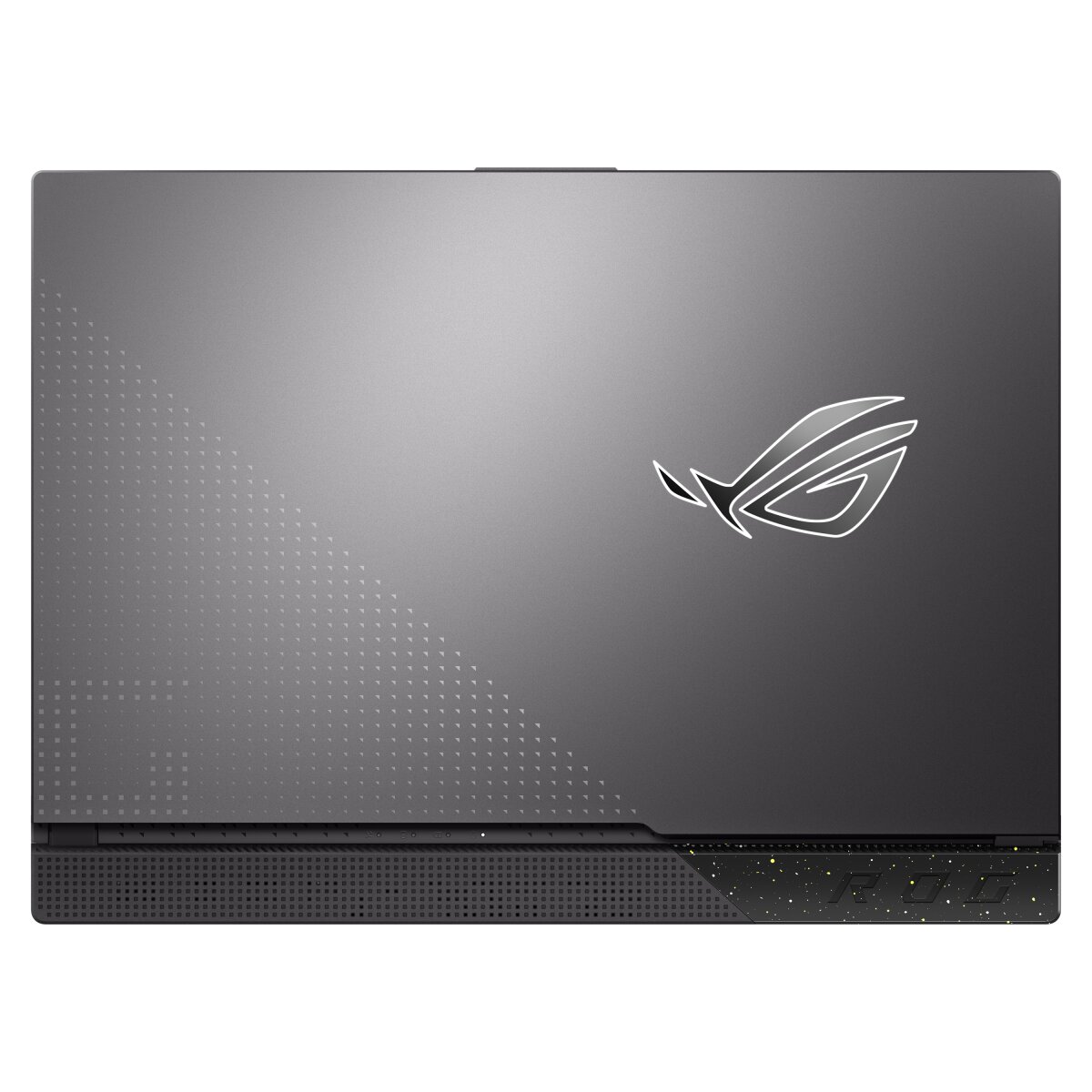
ASUS ROG Strix G15 G513RM-HF265 supports DDR5-SDRAM memory upgrade with two SO-DIMM slots. Maximum compatible RAM capacity reaches 32 GB total. Memory specifications include DDR5 frequency at 4800 MHz. The upgrade slots accept SO-DIMM form factor modules. Compatible upgrade options allow for configurations up to the 32 GB maximum capacity. Current specifications provide detailed information for RAM expansion on the gaming laptop model.
Memory Upgrade Specifications
| Specification | Value |
|---|---|
| Memory slots | 2x SO-DIMM |
| Form factor | SO-DIMM |
| Memory type | DDR5-SDRAM |
| Frequency | 4800 MHz |
| Maximum RAM | 32 GB |
| Voltage | 1.1V |
| Number of pins | 262-pin |
| Interface | PC5 |
| PC Speed Rating | PC5-4800 (PC5-38400) |
| Bandwidth | 38.4 GB/s |
| Laptop Release date | 28 April 2022 |
Additional Notes
- The dual channel configuration requirement for the ASUS G513RM-HF265 necessitates matching module pairs to utilize the full memory controller bandwidth available to the Ryzen architecture.
- Upgrading beyond the 32 GB threshold will result in a failure to post if the motherboard firmware contains a hard coded capacity limit.
- The transition to DDR5 architecture introduces on die Error Correction Code which improves system stability during long rendering tasks compared to previous DDR4 generations.
- Physical access to the SO-DIMM slots requires the removal of the bottom chassis panel and careful handling of the internal battery connector to prevent short circuits during installation.
- Installing modules with frequencies higher than 4800 MHz will result in automatic downclocking to the base speed due to chipset limitations on memory overclocking profiles.
- Thermal constraints within the compact chassis mean that high density memory modules may experience localized heat buildup during sustained high load gaming scenarios.
- Latency performance is governed by the integrated memory controller and the specific CAS latency of the installed modules which affects 1 percent low frame rates in CPU intensive applications.
- The absence of soldered memory on the motherboard ensures that 100 percent of the system RAM is user replaceable in the event of hardware failure.