ASUS ROG G513RM-HQ359W RAM upgrade specifications

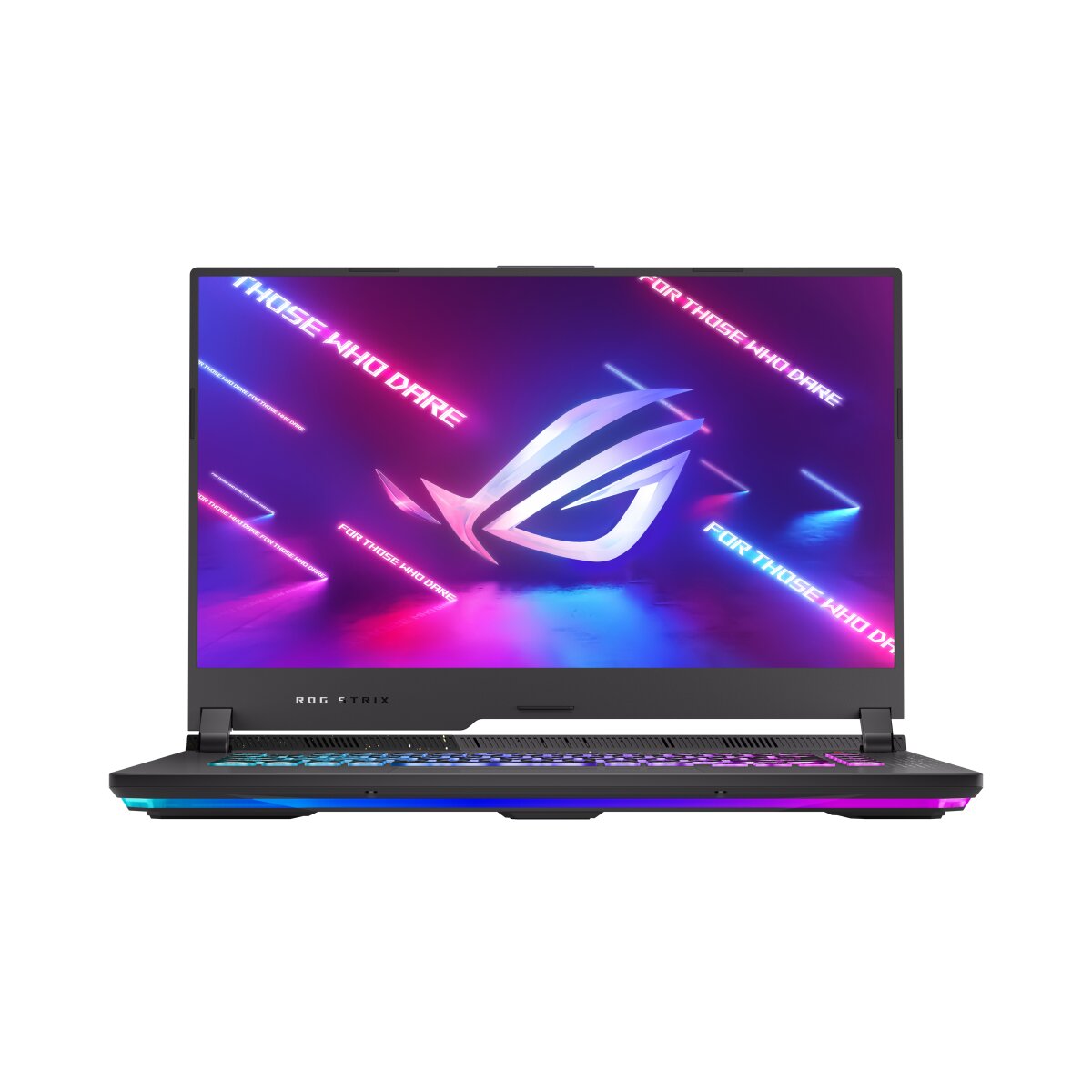



The ASUS ROG Strix G15 G513RM-HQ359W features DDR5-SDRAM memory upgrades with two SO-DIMM slots supporting maximum capacity of 32 GB. Compatible RAM specifications include DDR5 modules operating at 4800 MHz frequency. Upgrade options allow expansion through the dual SO-DIMM slots, enabling configurations up to 32 GB total memory. The laptop's memory architecture utilizes SO-DIMM form factor components for compatibility with this gaming-focused mobile workstation.
Memory Upgrade Specifications
| Specification | Value |
|---|---|
| Memory slots | 2x SO-DIMM |
| Form factor | SO-DIMM |
| Memory type | DDR5-SDRAM |
| Frequency | 4800 MHz |
| Maximum RAM | 32 GB |
| Voltage | 1.1V |
| Number of pins | 262-pin |
| Interface | PC5 |
| PC Speed Rating | PC5-4800 (PC5-38400) |
| Bandwidth | 38.4 GB/s |
| Laptop Release date | 22 October 2022 |
Additional Notes
- The DDR5-4800 specification indicates compliance with JEDEC standard speeds, ensuring broad module compatibility across manufacturers while eliminating concerns about XMP profile dependencies that could cause boot failures.
- The 32 GB ceiling imposed by the ASUS ROG G513RM-HQ359W reflects chipset memory controller limitations rather than physical slot restrictions, preventing recognition of higher-density modules even when mechanically compatible.
- Dual SO-DIMM architecture enables symmetric channel population for maximum bandwidth utilization, though asymmetric configurations remain functionally viable at reduced theoretical throughput.
- DDR5's onboard power management integrated circuits shift voltage regulation from the motherboard to individual modules, reducing compatibility risks from third-party RAM but increasing per-module cost compared to previous DDR4 implementations.
- The 4800 MHz frequency represents the baseline DDR5 speed tier, leaving headroom for potential performance gains through higher-frequency modules if the memory controller supports JEDEC bin uprating without stability compromise.
- SO-DIMM mechanical constraints limit heat spreader height to approximately 3.5 millimeters, restricting aftermarket thermal solution options compared to desktop DIMM equivalents and potentially affecting sustained workload performance.
- Module replacement requires complete system power removal including battery disconnection to prevent DDR5's lower operating voltage from causing insertion damage through residual charge on the memory bus.
- The transition from DDR4's 64-bit to DDR5's dual 32-bit channel architecture per module means single-slot population already achieves dual-channel operation, though matched pair installation optimizes interleaving efficiency.
- Warranty preservation typically permits user-accessible memory upgrades on this platform generation, but verification of regional service policy specifics remains necessary before seal removal.
- DDR5-4800 modules consume approximately 1.1 volts compared to DDR4's 1.2 volts, contributing marginal battery life extension during memory-intensive mobile operation while reducing thermal output in confined chassis environments.