ASUS ROG G513RM-HQ262 RAM upgrade specifications
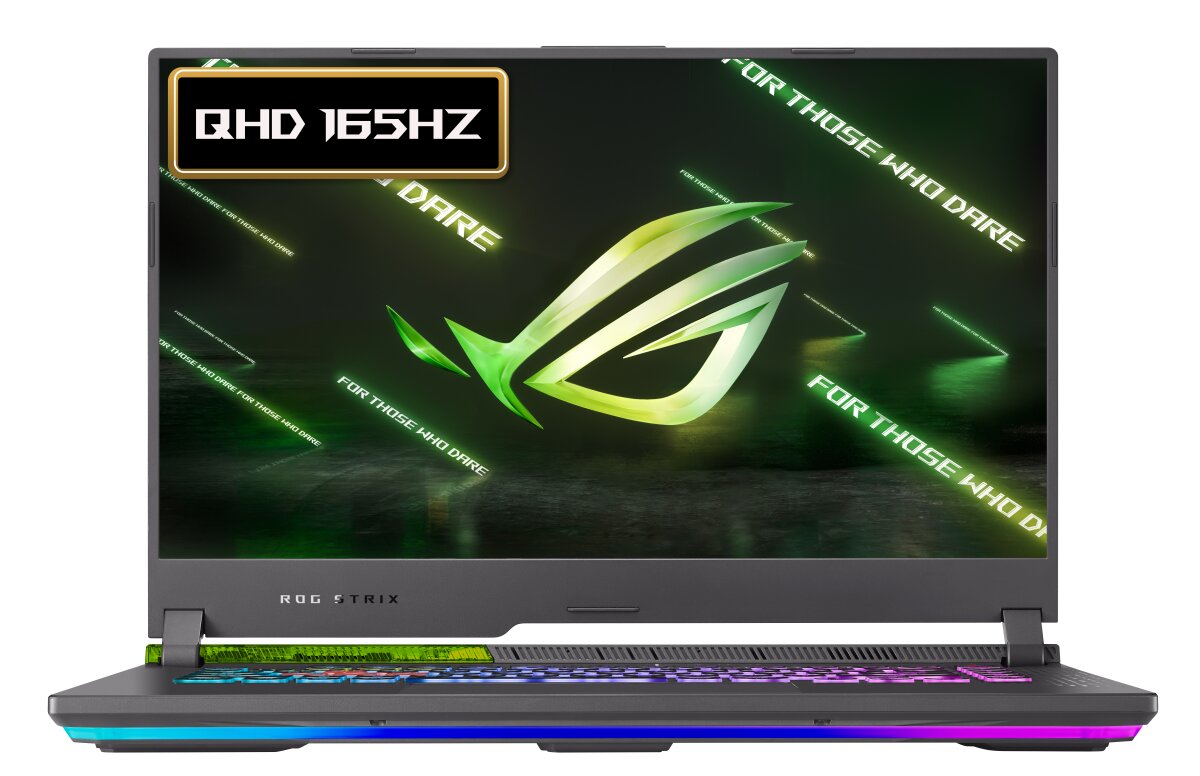




ASUS ROG Strix G15 G513RM-HQ262 laptop RAM upgrade specifications include two SO-DIMM slots supporting DDR5-SDRAM memory modules. Maximum memory capacity is 32 GB total. Compatible upgrades utilize DDR5-SDRAM standard at 4800 MHz frequency. Memory form factor specifications require SO-DIMM modules for slot compatibility. Upgrade configurations support various capacity combinations within maximum specifications, with each slot accommodating up to 16 GB modules. DDR5 memory technology provides enhanced performance specifications for gaming and professional applications.
Memory Upgrade Specifications
| Specification | Value |
|---|---|
| Memory slots | 2x SO-DIMM |
| Form factor | SO-DIMM |
| Memory type | DDR5-SDRAM |
| Frequency | 4800 MHz |
| Maximum RAM | 32 GB |
| Voltage | 1.1V |
| Number of pins | 262-pin |
| Interface | PC5 |
| PC Speed Rating | PC5-4800 (PC5-38400) |
| Bandwidth | 38.4 GB/s |
| Laptop Release date | 15 April 2022 |
Additional Notes
- The ASUS ROG G513RM-HQ262 utilizes DDR5 SO-DIMM modules, which are not backward compatible with DDR4, requiring specific module purchases if upgrading from a different generation system.
- The 32 GB maximum capacity limitation is enforced by chipset constraints rather than physical slot availability, preventing configurations beyond 2x16 GB regardless of higher-density module availability.
- DDR5 operates at higher voltage efficiency (1.1V) compared to DDR4 (1.2V), reducing thermal output during sustained workloads but requiring compatible voltage regulation circuitry.
- The 4800 MHz frequency represents JEDEC standard speed for DDR5, meaning faster XMP/EXPO profiles may not function reliably without BIOS support verification.
- Dual-channel architecture requires matched module capacities across both slots to maintain optimal memory interleaving, as mismatched configurations will default to single-channel mode or asymmetric operation.
- SO-DIMM form factor accessibility depends on bottom panel removal, with potential warranty implications if security seals are present over service bay screws.
- DDR5 modules incorporate on-die ECC, distinct from traditional server-grade ECC, providing basic error correction without OS-level reporting or configuration options.
- Native 4800 MHz operation eliminates manual frequency tuning requirements, but mixing modules with different stock speeds will force both to operate at the lower rated frequency.
- The dual-slot configuration limits upgrade flexibility to either full replacement of both modules or addition of a second module to a single-module factory configuration.
- DDR5's doubled bank groups compared to DDR4 improve parallelism in memory-intensive applications but provide negligible benefits in latency-sensitive gaming scenarios at equivalent CAS latency ratios.