ASUS ROG G513RM-HQ166W-BE RAM upgrade specifications
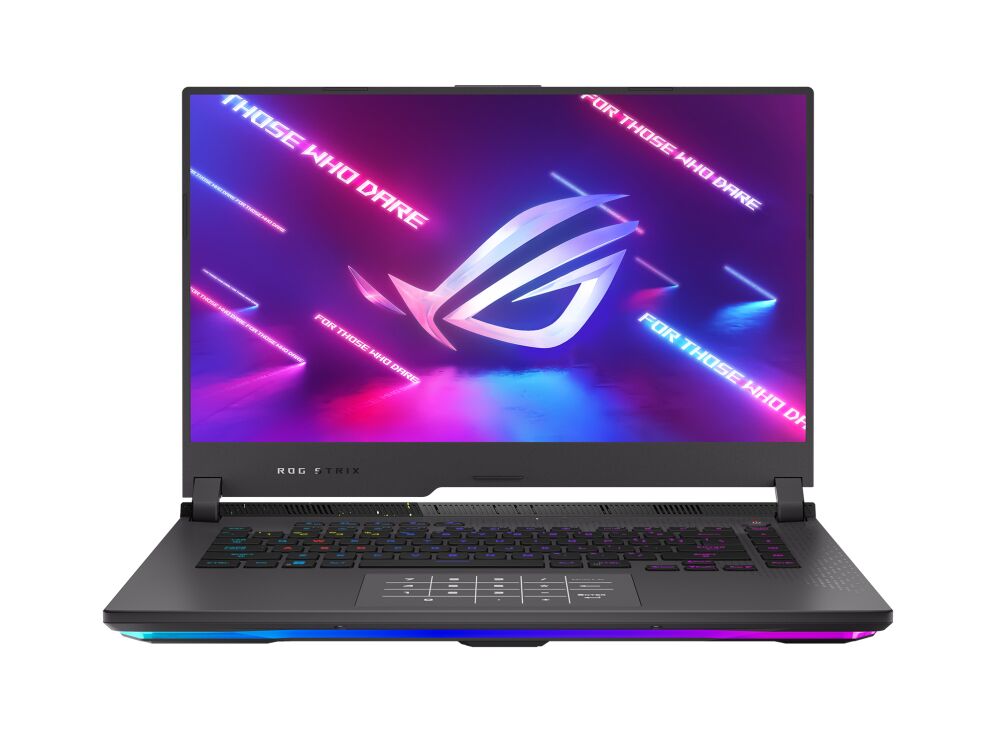
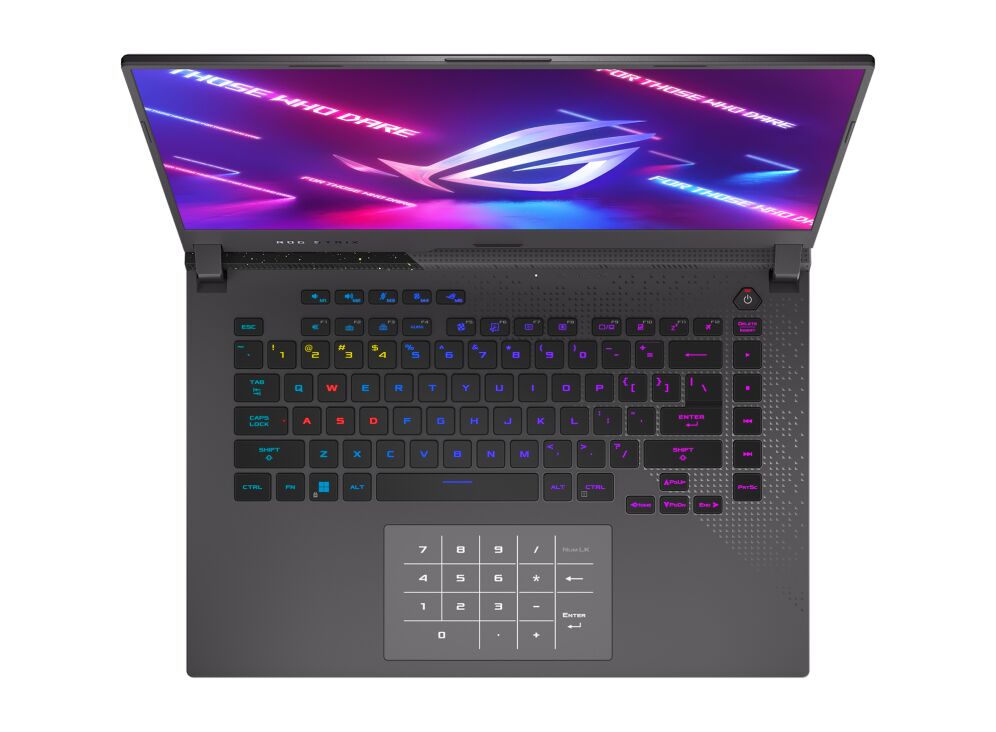

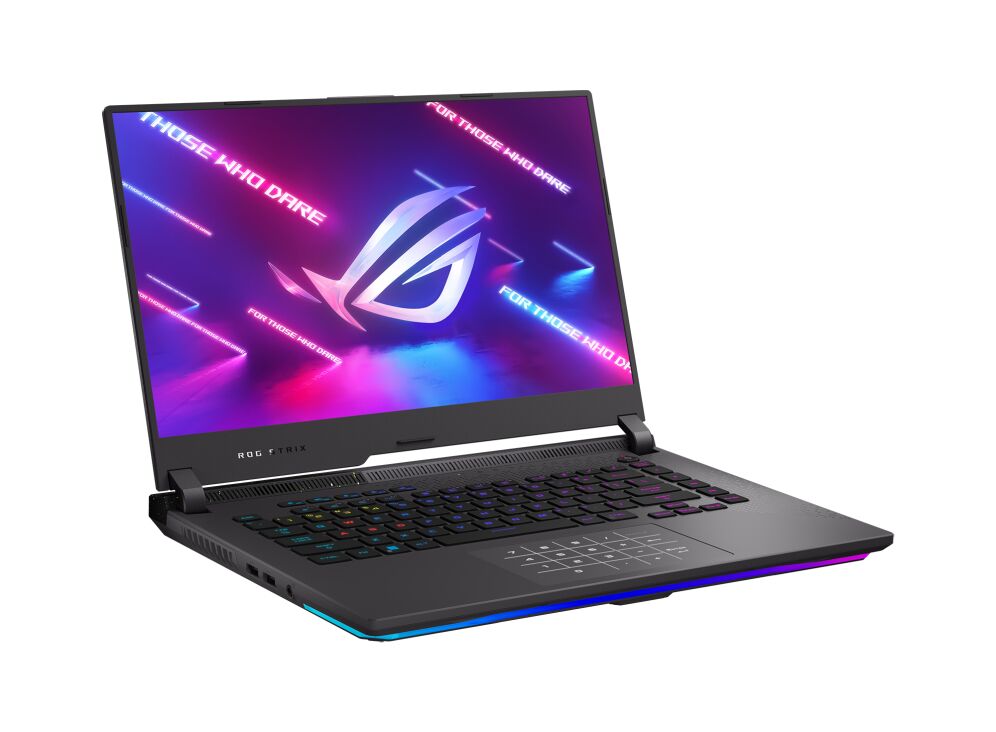
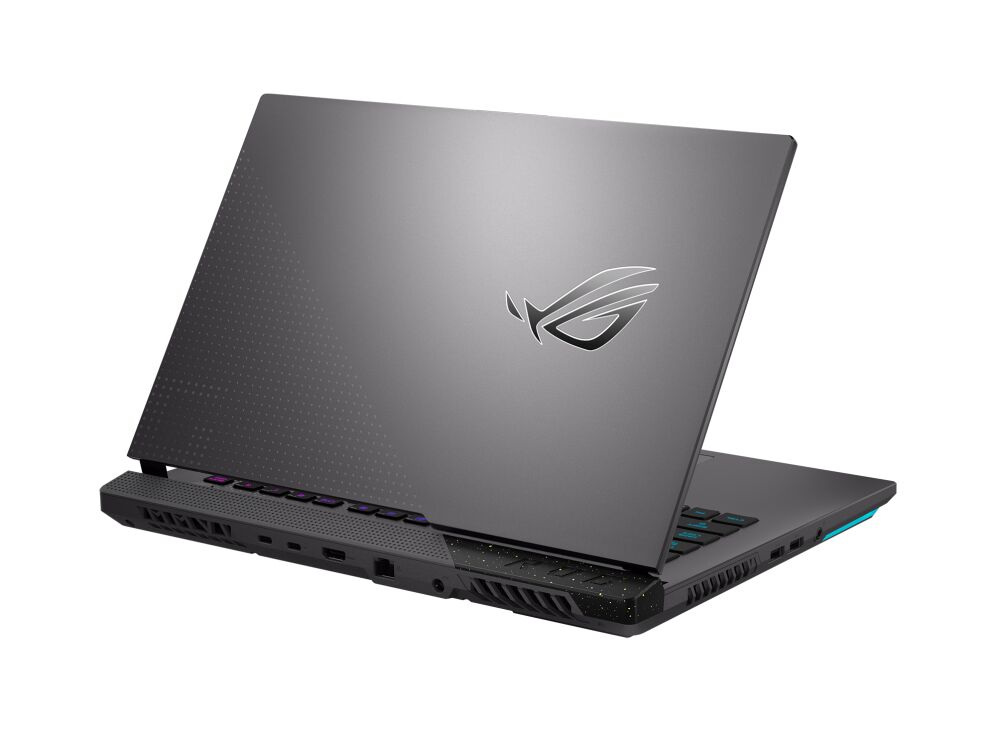
ASUS ROG Strix G15 model G513RM-HQ166W-BE supports DDR5-SDRAM memory upgrades. The laptop features 2x SO-DIMM slots compatible with DDR5 modules operating at 4800 MHz frequency. Maximum supported RAM capacity reaches 32 GB total. Current memory configuration and upgrade options depend on existing DIMM population. SO-DIMM form factor specifications apply to all compatible memory modules for this gaming laptop model.
Memory Upgrade Specifications
| Specification | Value |
|---|---|
| Memory slots | 2x SO-DIMM |
| Form factor | SO-DIMM |
| Memory type | DDR5-SDRAM |
| Frequency | 4800 MHz |
| Maximum RAM | 32 GB |
| Voltage | 1.1V |
| Number of pins | 262-pin |
| Interface | PC5 |
| PC Speed Rating | PC5-4800 (PC5-38400) |
| Bandwidth | 38.4 GB/s |
| Laptop Release date | 20 January 2022 |
Additional Notes
- DDR5 modules from DDR4-based systems cannot be reused due to different notch positions and voltage requirements.
- The 32 GB ceiling limits professional workflows requiring large virtual machines or extensive multimedia editing with multiple concurrent applications.
- DDR5-4800 represents the baseline JEDEC specification, meaning higher-frequency modules will downclock to 4800 MHz regardless of their rated speed.
- SO-DIMM access on this ASUS ROG G513RM-HQ166W-BE typically requires bottom panel removal, potentially affecting seal integrity on models with dust-resistant designs.
- Dual-channel population requires matched module capacities across both slots to maintain symmetric bandwidth utilization.
- DDR5's on-die ECC operates independently of system-level error correction, providing baseline data integrity without BIOS configuration.
- Mixed-brand modules may train successfully but can introduce latency inconsistencies during XMP profile negotiations.
- The 4800 MHz data rate delivers 38.4 GB/s theoretical bandwidth per channel when both slots operate in dual-channel mode.
- Consumer-grade SO-DIMM DDR5 lacks buffering components found in server RDIMM modules, preventing cross-compatibility between form factors.
- Single-slot configurations halve memory bandwidth, directly impacting integrated graphics performance and memory-intensive computational tasks.
- Manufacturer-installed modules often ship without retail XMP profiles, requiring manual timing adjustments for aftermarket replacements to match factory performance.
- Thermal throttling risks increase with higher-density 32 GB configurations compared to dual 16 GB setups due to heat concentration in stacked die architectures.