ASUS ROG G513RM-HQ163W RAM upgrade specifications




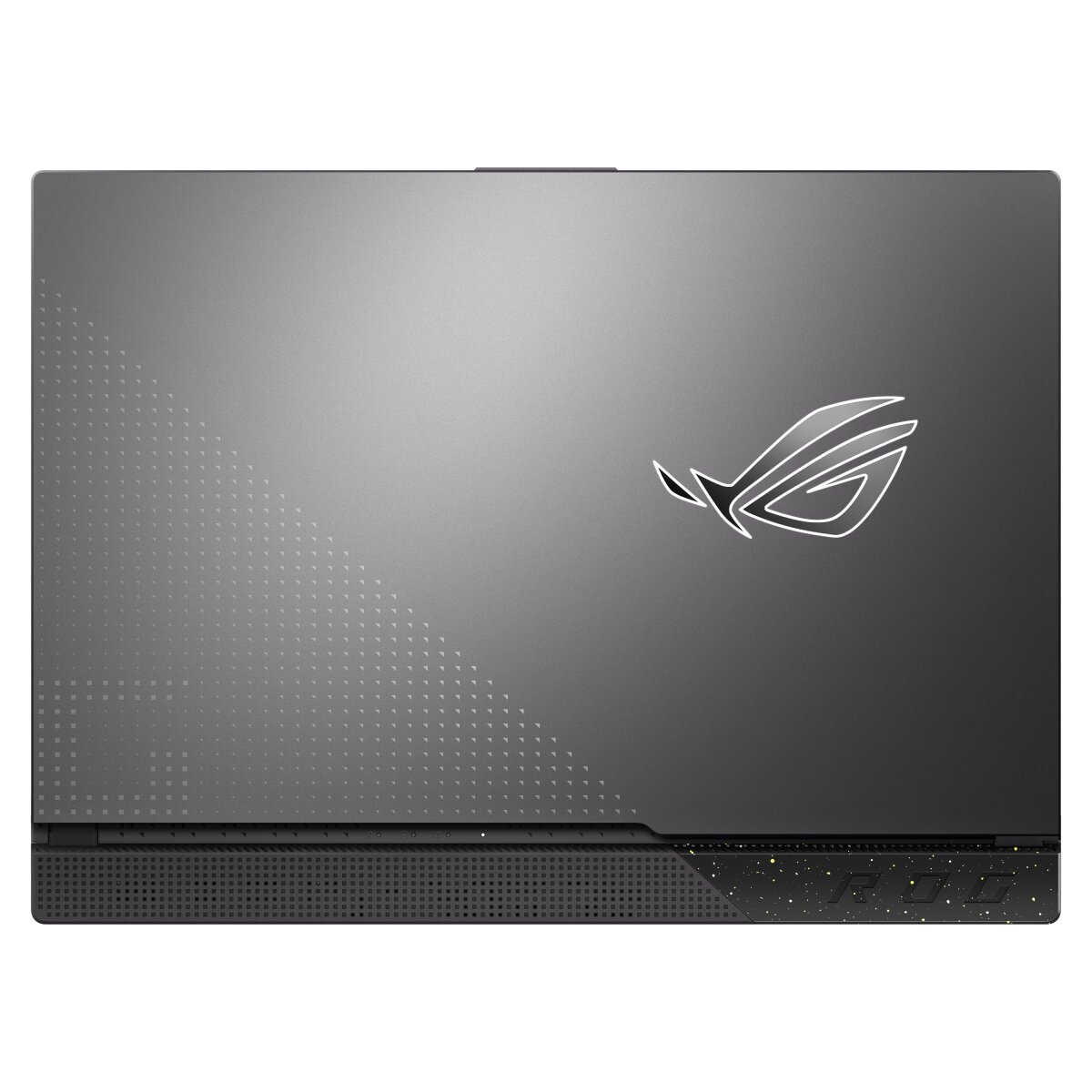
The ASUS ROG Strix G15 G513RM-HQ163W features DDR5-SDRAM memory upgrade specifications with 2x SO-DIMM slots supporting maximum RAM capacity of 32 GB. Compatible memory modules operate at 4800 MHz frequency. The SO-DIMM form factor enables memory upgrades for enhanced multitasking and performance. Specifications indicate support for DDR5 technology, providing increased bandwidth compared to previous generation memory standards.
Memory Upgrade Specifications
| Specification | Value |
|---|---|
| Memory slots | 2x SO-DIMM |
| Form factor | SO-DIMM |
| Memory type | DDR5-SDRAM |
| Frequency | 4800 MHz |
| Maximum RAM | 32 GB |
| Voltage | 1.1V |
| Number of pins | 262-pin |
| Interface | PC5 |
| PC Speed Rating | PC5-4800 (PC5-38400) |
| Bandwidth | 38.4 GB/s |
| Laptop Release date | 16 May 2022 |
Additional Notes
- The ASUS ROG G513RM-HQ163W utilizes DDR5 modules, which are not backward compatible with DDR4 slots, requiring specifically matched SO-DIMM modules for any upgrade or replacement.
- The 32 GB ceiling across 2 slots limits individual module capacity to 16 GB each, preventing the use of higher-density 24 GB or 32 GB modules even if they become available.
- DDR5-4800 operates at JEDEC baseline speed, meaning faster modules rated at 5200 MHz or 5600 MHz will downclock to 4800 MHz when installed, offering no performance advantage.
- SO-DIMM form factor restricts compatibility to laptop-specific modules, as standard desktop DIMM memory cannot physically fit the smaller 260-pin connector.
- Dual-channel architecture requires matched pairs for optimal bandwidth, meaning mismatched capacities or speeds between slots will force both modules to run at the slower specification.
- DDR5's on-die ECC operates independently of user configuration but does not replace true ECC memory functionality found in workstation-class systems.
- Upgrading from factory-installed capacity may void warranty if modules are damaged during installation, as ROG laptops typically require bottom panel removal and motherboard access.
- The 4800 MHz frequency establishes a memory bandwidth ceiling of 76.8 GB/s in dual-channel mode, which may bottleneck GPU performance in VRAM-intensive workloads if the discrete graphics configuration relies on shared system memory.
- Mixing DDR5 modules from different manufacturers can trigger POST stability issues due to varying SPD profiles, even when speed and capacity specifications match exactly.
- Voltage for DDR5 is standardized at 1.1V compared to DDR4's 1.2V, meaning DDR4 modules will cause physical incompatibility and potential damage if installation is attempted.