ASUS ROG G513RW-HF032W RAM upgrade specifications
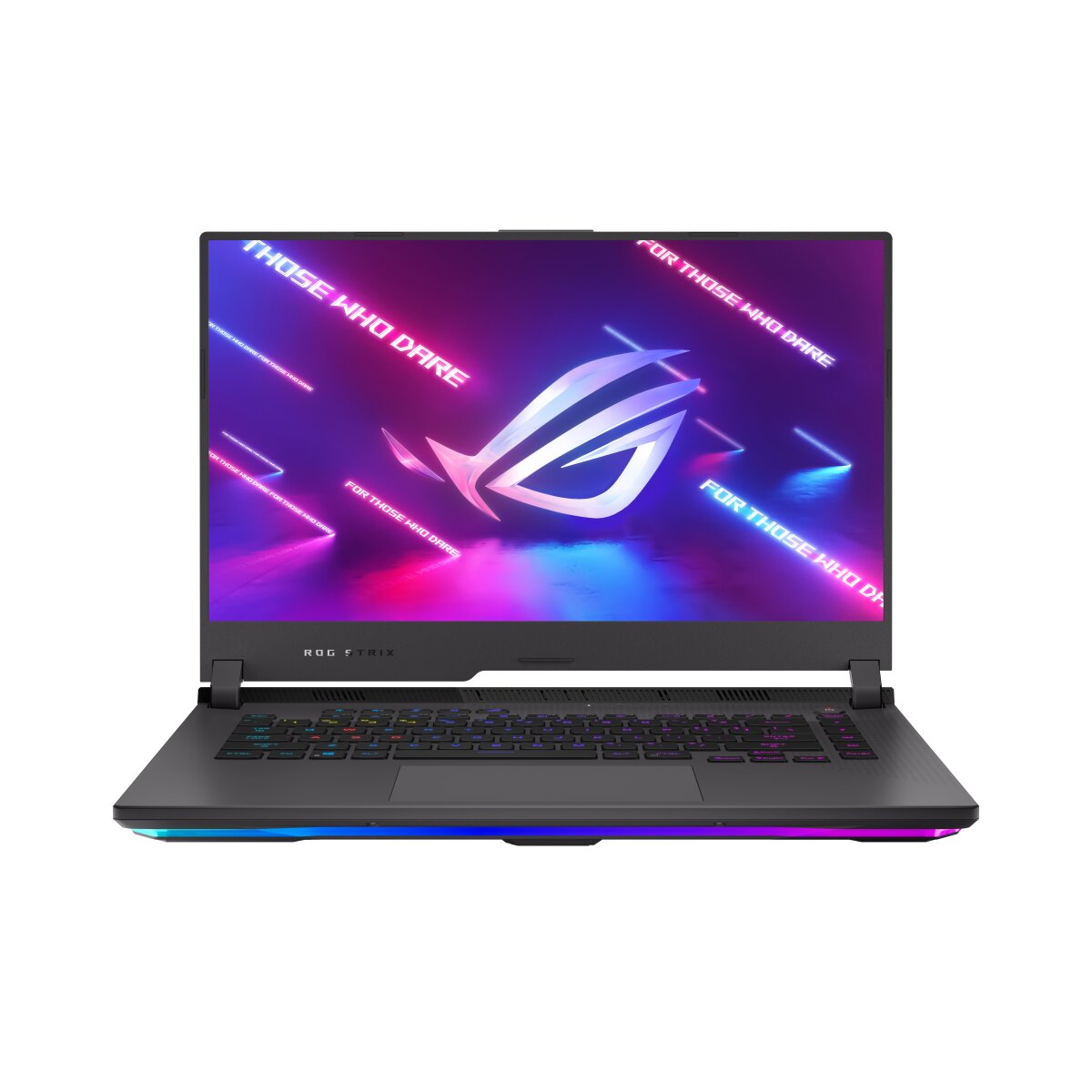

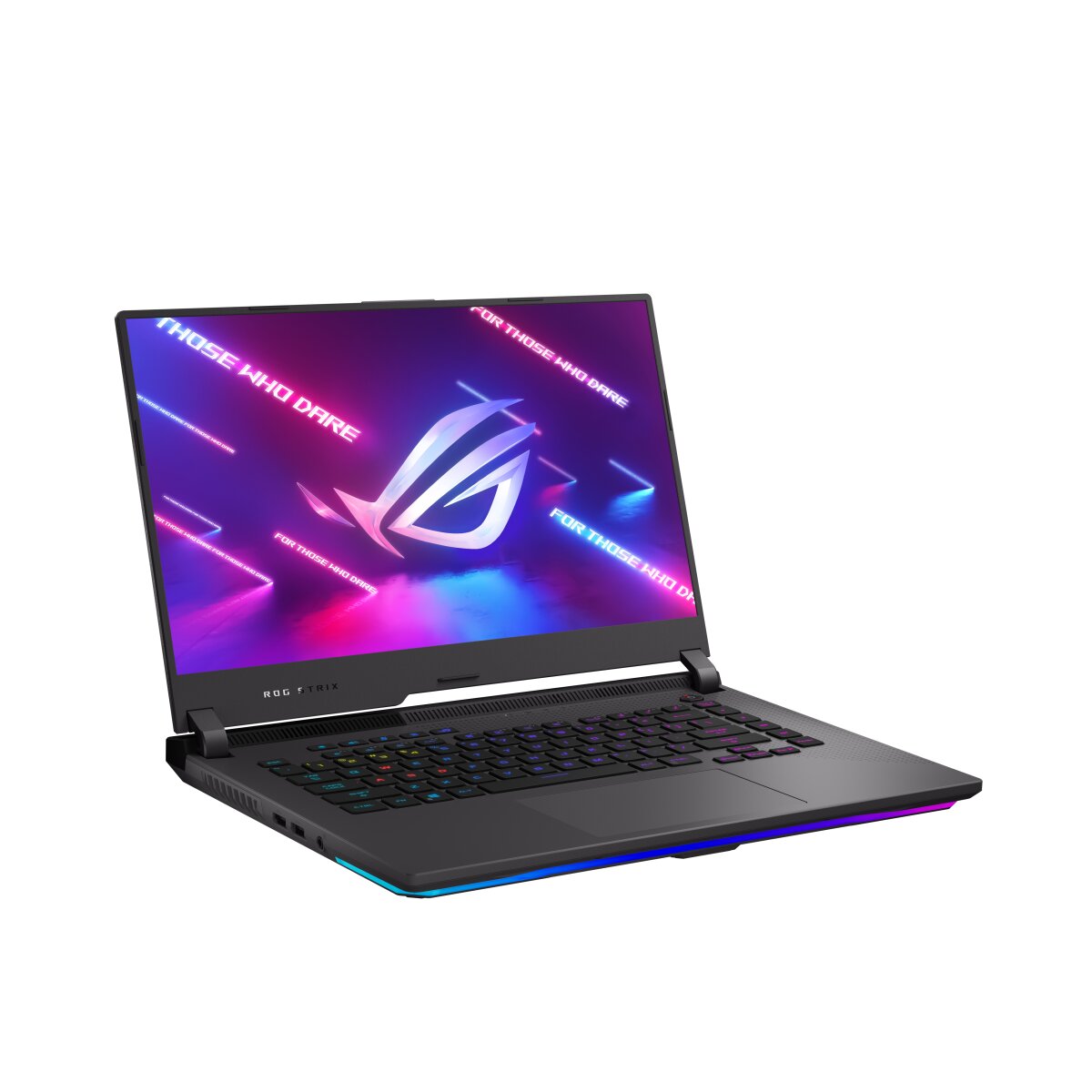
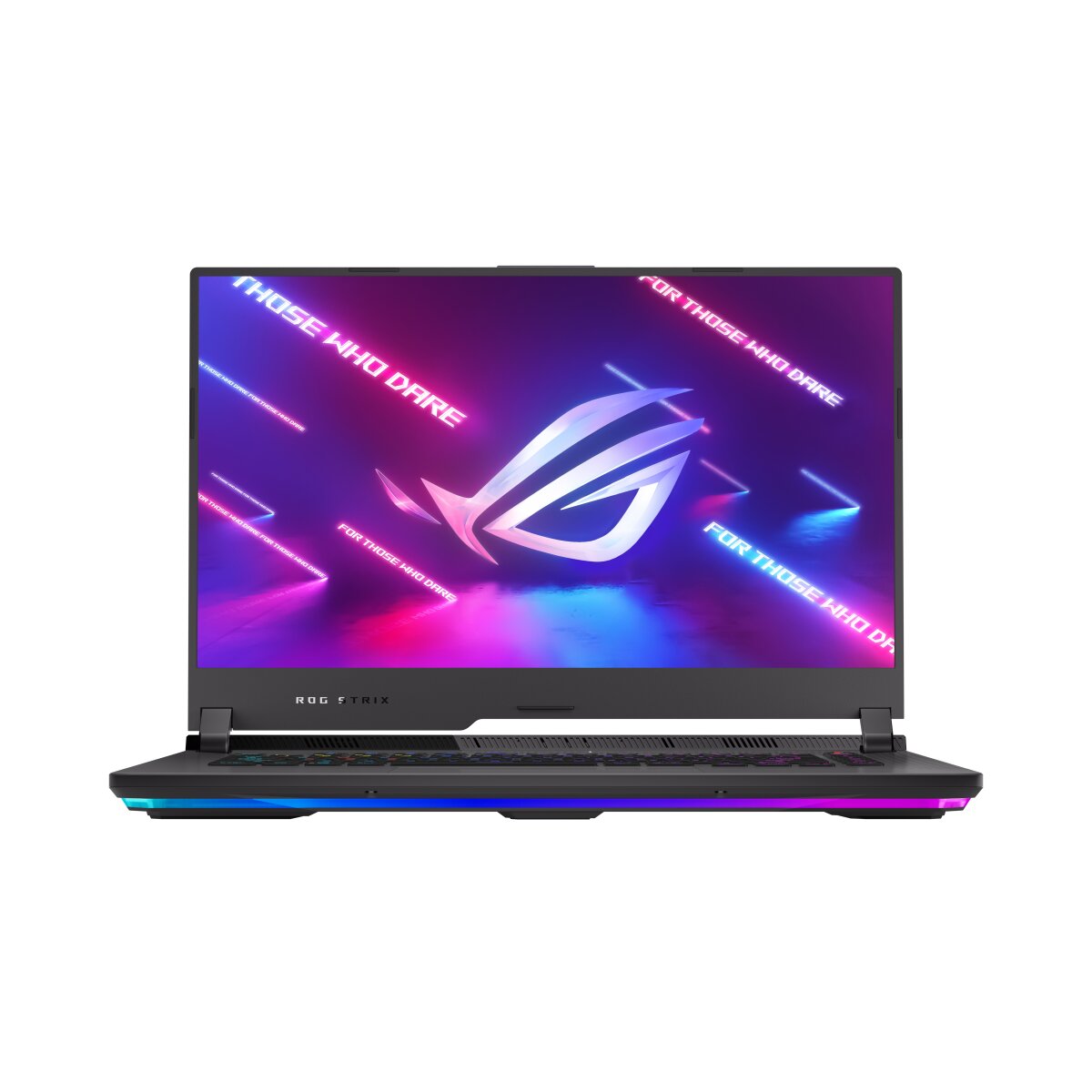
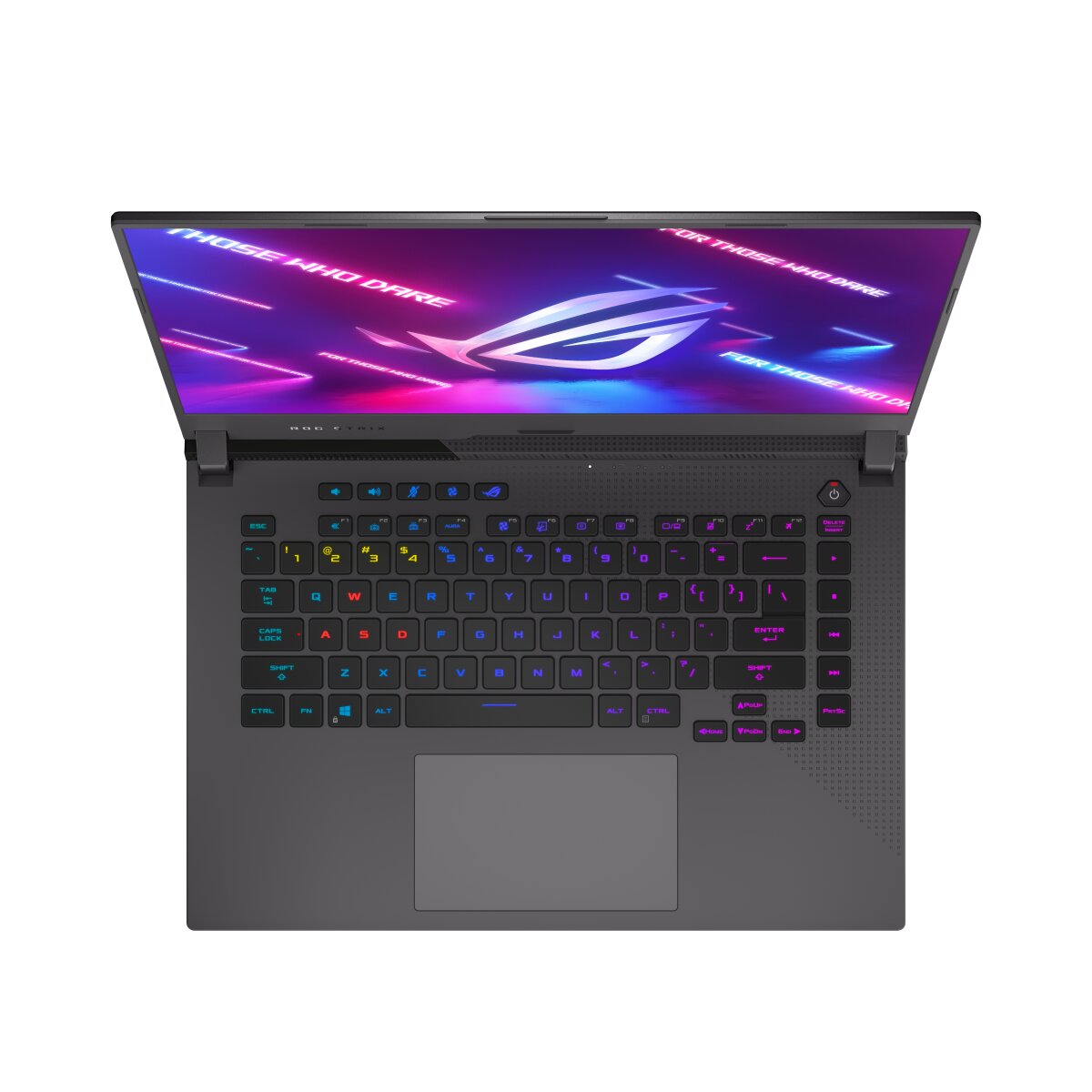
ASUS ROG Strix G15 G513RW-HF032W supports DDR5-SDRAM memory upgrades via 2x SO-DIMM slots. Maximum compatible RAM capacity reaches 32 GB total. Memory specifications include DDR5-4800 MHz frequency support. Upgrade options accommodate SO-DIMM form factor modules. Specifications enable users to expand laptop memory for enhanced multitasking and performance capabilities on gaming and professional workloads.
Memory Upgrade Specifications
| Specification | Value |
|---|---|
| Memory slots | 2x SO-DIMM |
| Form factor | SO-DIMM |
| Memory type | DDR5-SDRAM |
| Frequency | 4800 MHz |
| Maximum RAM | 32 GB |
| Voltage | 1.1V |
| Number of pins | 262-pin |
| Interface | PC5 |
| PC Speed Rating | PC5-4800 (PC5-38400) |
| Bandwidth | 38.4 GB/s |
Additional Notes
- The DDR5-4800 specification indicates this ASUS ROG G513RW-HF032W operates at JEDEC baseline speeds rather than the higher performance XMP profiles available in desktop DDR5 modules.
- SO-DIMM form factor restricts thermal headroom compared to full-size DIMMs, making sustained high-frequency operation less stable under gaming workloads without adequate chassis ventilation.
- The 32 GB ceiling across 2 slots means upgrade paths are limited to either 2x8 GB or 2x16 GB configurations, with no intermediate capacity options available.
- DDR5's on-die ECC operates independently of system-level error correction, providing background data integrity without BIOS configuration or performance overhead.
- Mixing modules with different densities or ranks will force both modules to operate at the lowest common specifications, potentially underclocking faster RAM to match a slower module.
- The dual-channel SO-DIMM architecture requires matched pairs for optimal bandwidth utilization, as single-module operation cuts memory throughput in half.
- DDR5's higher voltage regulation complexity compared to DDR4 means module-level PMIC components handle power delivery, eliminating motherboard VRM as a compatibility variable.
- Accessing SO-DIMM slots typically requires bottom panel removal, but unlike soldered memory configurations, this architecture preserves user-serviceable upgrades without voiding warranties in most regions.
- 4800 MHz represents the base transfer rate for DDR5, meaning modules rated at higher speeds will downclock to this frequency unless the system firmware supports JEDEC SPD overclocking profiles.
- The 2-slot limitation prevents future expansion beyond the maximum threshold, requiring full module replacement rather than incremental capacity additions when upgrading from factory configurations.