ASUS ROG G513RW-HF151 RAM upgrade specifications




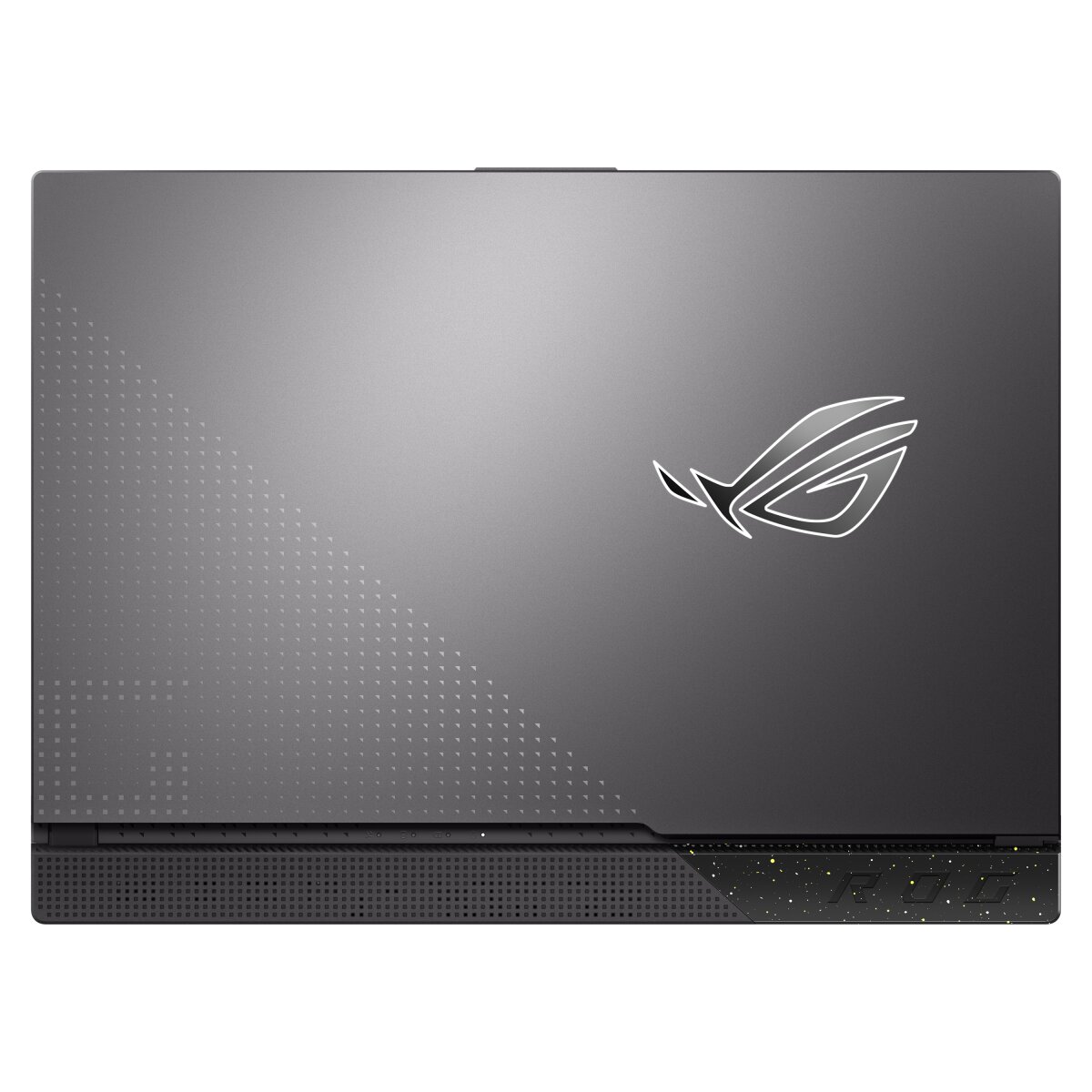
ASUS ROG Strix G15 G513RW-HF151 laptop features two SO-DIMM slots supporting DDR5-SDRAM memory upgrades. Maximum RAM capacity reaches 32 GB total, with native frequency specifications at 4800 MHz. Memory upgrade compatibility includes DDR5 modules in SO-DIMM form factor. Specifications indicate dual-slot configuration for modular memory expansion on compatible systems.
Memory Upgrade Specifications
| Specification | Value |
|---|---|
| Memory slots | 2x SO-DIMM |
| Form factor | SO-DIMM |
| Memory type | DDR5-SDRAM |
| Frequency | 4800 MHz |
| Maximum RAM | 32 GB |
| Voltage | 1.1V |
| Number of pins | 262-pin |
| Interface | PC5 |
| PC Speed Rating | PC5-4800 (PC5-38400) |
| Bandwidth | 38.4 GB/s |
| Laptop Release date | 07 August 2022 |
Additional Notes
- The 2 SO-DIMM slot configuration in the ASUS ROG G513RW-HF151 requires matched pairs for dual-channel operation; installing a single module will force single-channel mode and reduce memory bandwidth by approximately 50%, creating a performance bottleneck regardless of total capacity.
- DDR5-4800 MHz support indicates compatibility only with DDR5 modules rated for 4800 MHz or lower speeds; DDR5-6400 or faster modules will downclock to 4800 MHz, eliminating the performance advantage of higher-speed silicon and wasting the premium cost differential.
- The 32 GB ceiling limits practical configurations to either 2x16GB or 2x8GB populated pairs; single 16GB modules cannot be upgraded to 48GB later without discarding existing memory, creating a sunk cost scenario if future expansion demands exceed 32GB.
- SO-DIMM form factor necessitates laptop-specific RAM modules rather than desktop DDR5 variants; standard UDIMM memory will not physically fit the slot mechanism, and forcing incompatible modules risks permanent slot damage and voids warranty coverage.
- Upgrading from factory configuration to maximum capacity using DDR5-4800 SO-DIMM modules should remain within manufacturer warranty parameters, as DDR5 is the native memory architecture for this generation and no voltage overrides are required for rated speeds.