ASUS ROG G513RW-HF151W RAM upgrade specifications




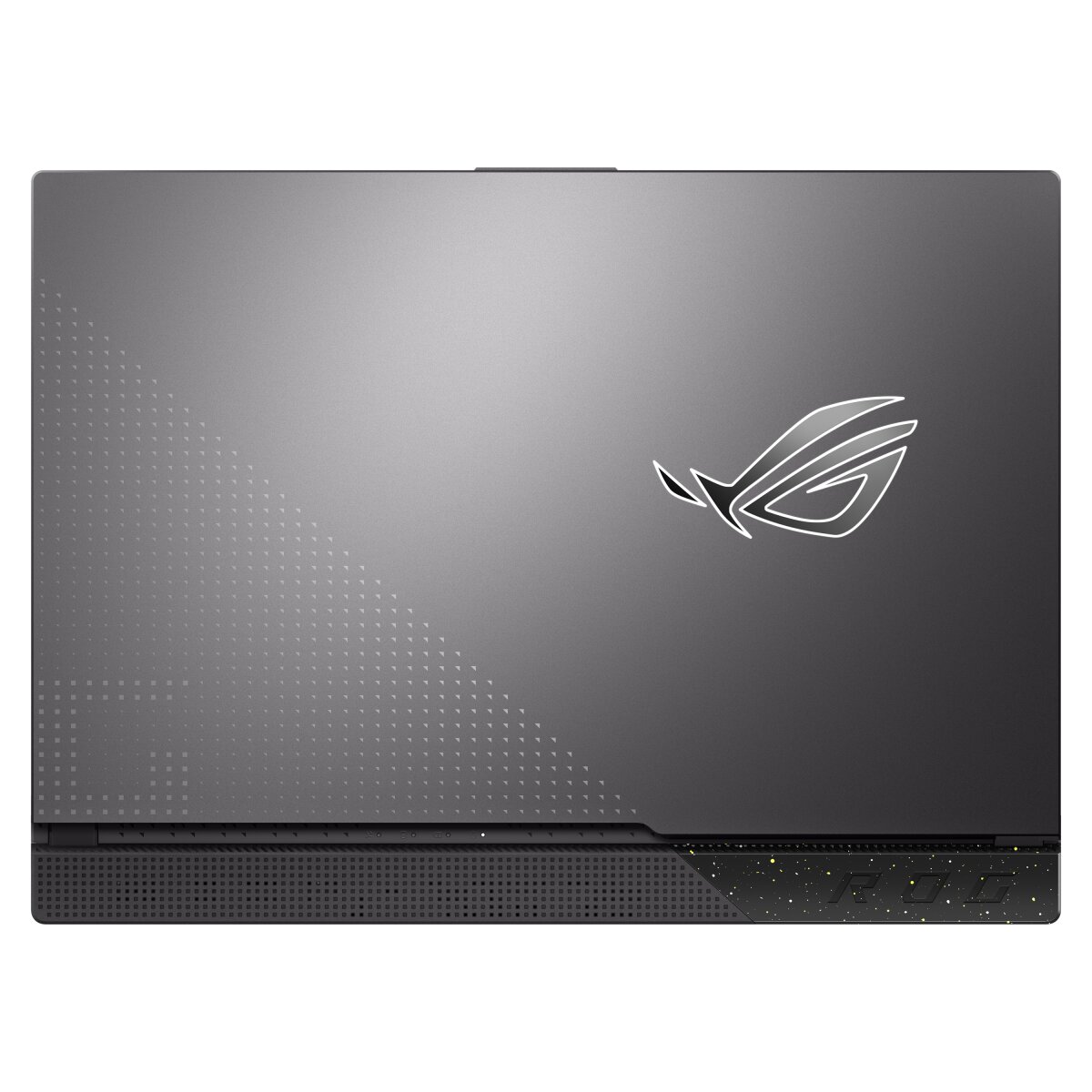
The ASUS ROG Strix G15 G513RW-HF151W features DDR5-SDRAM memory configuration with two SO-DIMM slots supporting maximum RAM capacity of 32 GB. Memory upgrade specifications include DDR5 technology at 4800 MHz frequency. Compatible RAM modules utilize SO-DIMM form factor for laptop installation. Specifications indicate dual-slot memory architecture enabling modular upgrade configurations for enhanced system performance and multitasking capabilities.
Memory Upgrade Specifications
| Specification | Value |
|---|---|
| Memory slots | 2x SO-DIMM |
| Form factor | SO-DIMM |
| Memory type | DDR5-SDRAM |
| Frequency | 4800 MHz |
| Maximum RAM | 32 GB |
| Voltage | 1.1V |
| Number of pins | 262-pin |
| Interface | PC5 |
| PC Speed Rating | PC5-4800 (PC5-38400) |
| Bandwidth | 38.4 GB/s |
| Laptop Release date | 07 April 2022 |
Additional Notes
- The ASUS ROG G513RW-HF151W employs DDR5 SO-DIMM modules, which are physically incompatible with DDR4 sockets due to different notch positions and pin configurations.
- DDR5 operates at 1.1V compared to DDR4's 1.2V, requiring motherboard voltage regulators specifically designed for the lower power standard.
- The 32 GB ceiling reflects chipset addressing limits and typically manifests as a maximum per-slot capacity of 16 GB when using dual-channel configuration.
- Operating at 4800 MHz represents DDR5's baseline JEDEC specification, offering no headroom for overclocking within warranty parameters on this platform.
- Dual-channel architecture requires matched memory modules in both slots to achieve theoretical bandwidth of 76.8 GB/s, degrading to half-speed single-channel operation if only one slot is populated.
- SO-DIMM form factor measures 67.6 mm in length versus 133.35 mm for standard DIMMs, making desktop memory modules physically incompatible regardless of electrical specifications.
- Memory installed beyond the 32 GB limit will either fail POST initialization or force the system to recognize only the maximum supported capacity.
- Mixing DDR5 modules with different speeds causes all installed memory to downclock to the slowest module's frequency, negating any performance advantage of faster DIMMs.
- The 2-slot configuration eliminates incremental upgrade flexibility, requiring full removal of existing modules when moving from 16 GB to 32 GB configurations.
- DDR5's on-die ECC operates independently of system-level error correction and provides no user-accessible reliability benefits compared to server-grade unbuffered ECC SO-DIMMs.
- Thermal throttling may occur under sustained memory-intensive workloads if replacement modules lack integrated heat spreaders, particularly in configurations exceeding 3200 MHz.
- BIOS updates cannot override the 32 GB hardware limitation, as this constraint originates from memory controller addressing lanes rather than firmware.