ASUS ROG G513RW-HQ133 RAM upgrade specifications


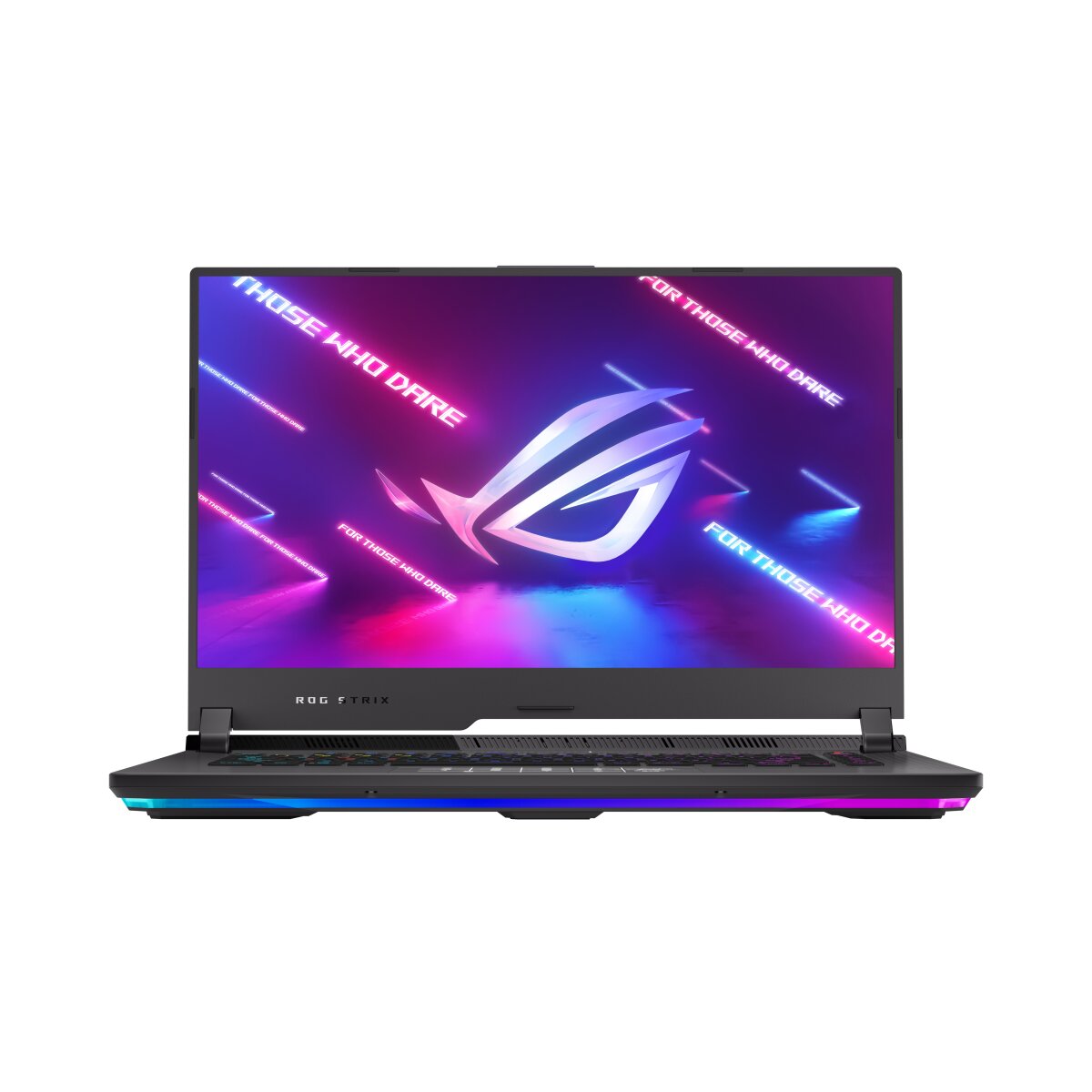


ASUS ROG Strix G15 model G513RW-HQ133 laptop memory upgrade specifications include DDR5-SDRAM compatible modules operating at 4800 MHz. The system features 2x SO-DIMM slots with maximum RAM capacity of 32 GB total. Memory modules must conform to SO-DIMM form factor specifications for compatible installation. Upgrade configurations support DDR5 memory technology exclusively on this gaming laptop platform.
Memory Upgrade Specifications
| Specification | Value |
|---|---|
| Memory slots | 2x SO-DIMM |
| Form factor | SO-DIMM |
| Memory type | DDR5-SDRAM |
| Frequency | 4800 MHz |
| Maximum RAM | 32 GB |
| Voltage | 1.1V |
| Number of pins | 262-pin |
| Interface | PC5 |
| PC Speed Rating | PC5-4800 (PC5-38400) |
| Bandwidth | 38.4 GB/s |
| Laptop Release date | 17 February 2022 |
Additional Notes
- DDR5-SDRAM modules require motherboard-specific voltage regulation since DDR5 moved power management from the motherboard to the memory module itself, making compatibility verification critical before purchase.
- The 32 GB ceiling in the ASUS ROG G513RW-HQ133 reflects chipset addressing limitations rather than physical slot restrictions, preventing recognition of higher-capacity modules even if physically compatible.
- SO-DIMM form factor modules measure 67.6 mm versus 133.35 mm for standard DIMMs, eliminating any possibility of using desktop memory modules regardless of electrical compatibility.
- 4800 MHz represents the JEDEC baseline speed for DDR5, meaning the system will downclock any faster modules to this frequency, wasting the cost premium of higher-speed variants.
- Dual-channel configuration requires matched pair installation across both SO-DIMM slots to achieve maximum theoretical bandwidth of 76.8 GB/s, while single-module operation halves this throughput.
- DDR5 operating voltage of 1.1V versus DDR4's 1.2V creates absolute incompatibility between generations, making DDR4 modules physically insertable but electrically destructive if forced.
- Mixing modules with different timings forces the memory controller to adopt the slowest common specifications, degrading performance to the least capable module's parameters.
- Non-ECC unbuffered memory lacks error correction capabilities, making this configuration unsuitable for workloads requiring data integrity validation despite adequate speed specifications.
- SO-DIMM retention clips use lateral spring mechanisms rather than ejector levers, requiring simultaneous outward pressure on both clip ends during installation to avoid socket damage.
- Factory-installed modules typically occupy both slots in prebuilt configurations, necessitating complete removal of existing memory rather than simple capacity addition when upgrading.
- 4800 MHz operation generates approximately 20% more heat than DDR4-3200 equivalents, making thermal throttling possible under sustained memory-intensive workloads in compact chassis designs.
- XMP/EXPO overclocking profiles remain disabled in most laptop BIOS implementations regardless of module support, limiting practical benefits of purchasing enthusiast-grade memory.