ASUS ROG G513RW-HQ138W RAM upgrade specifications
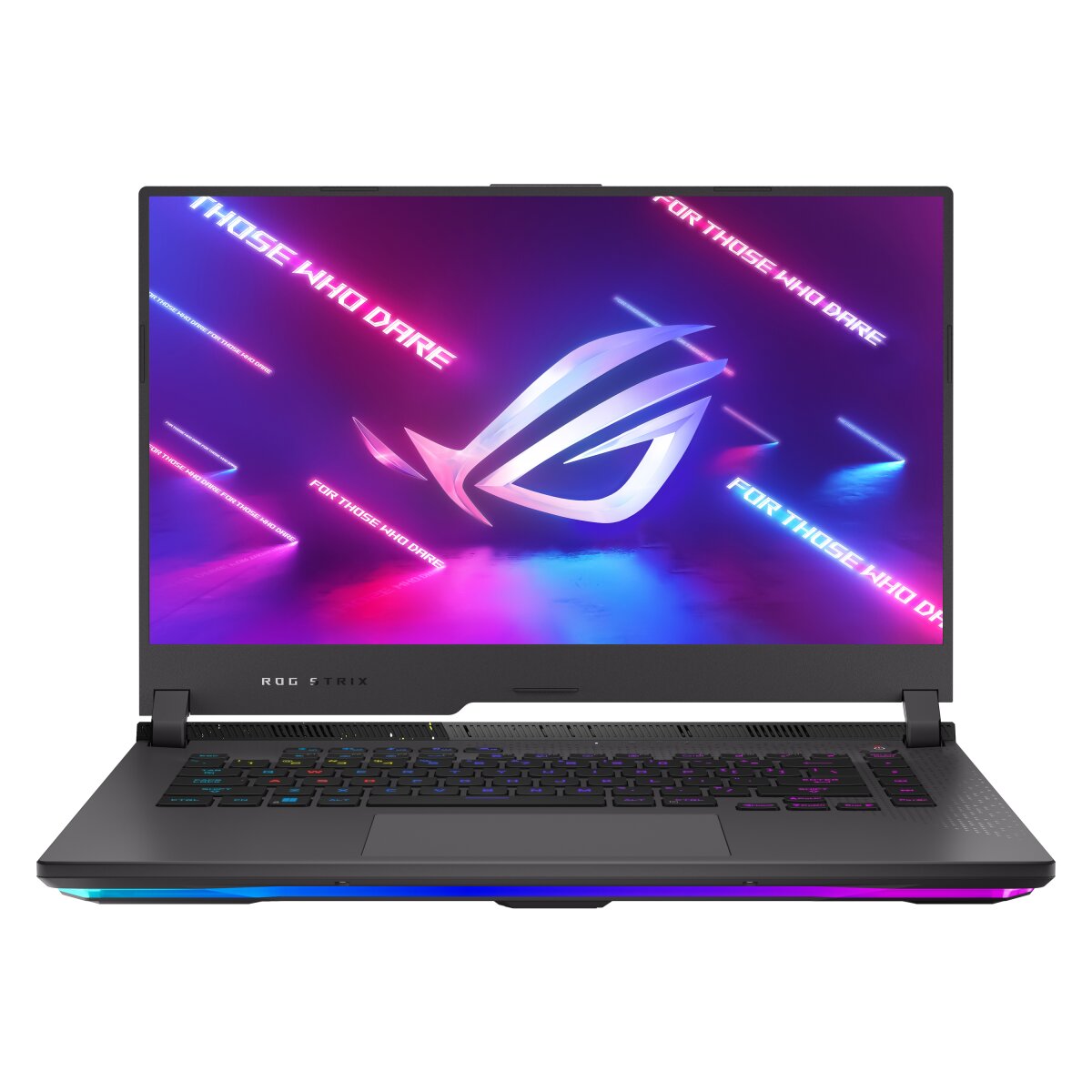
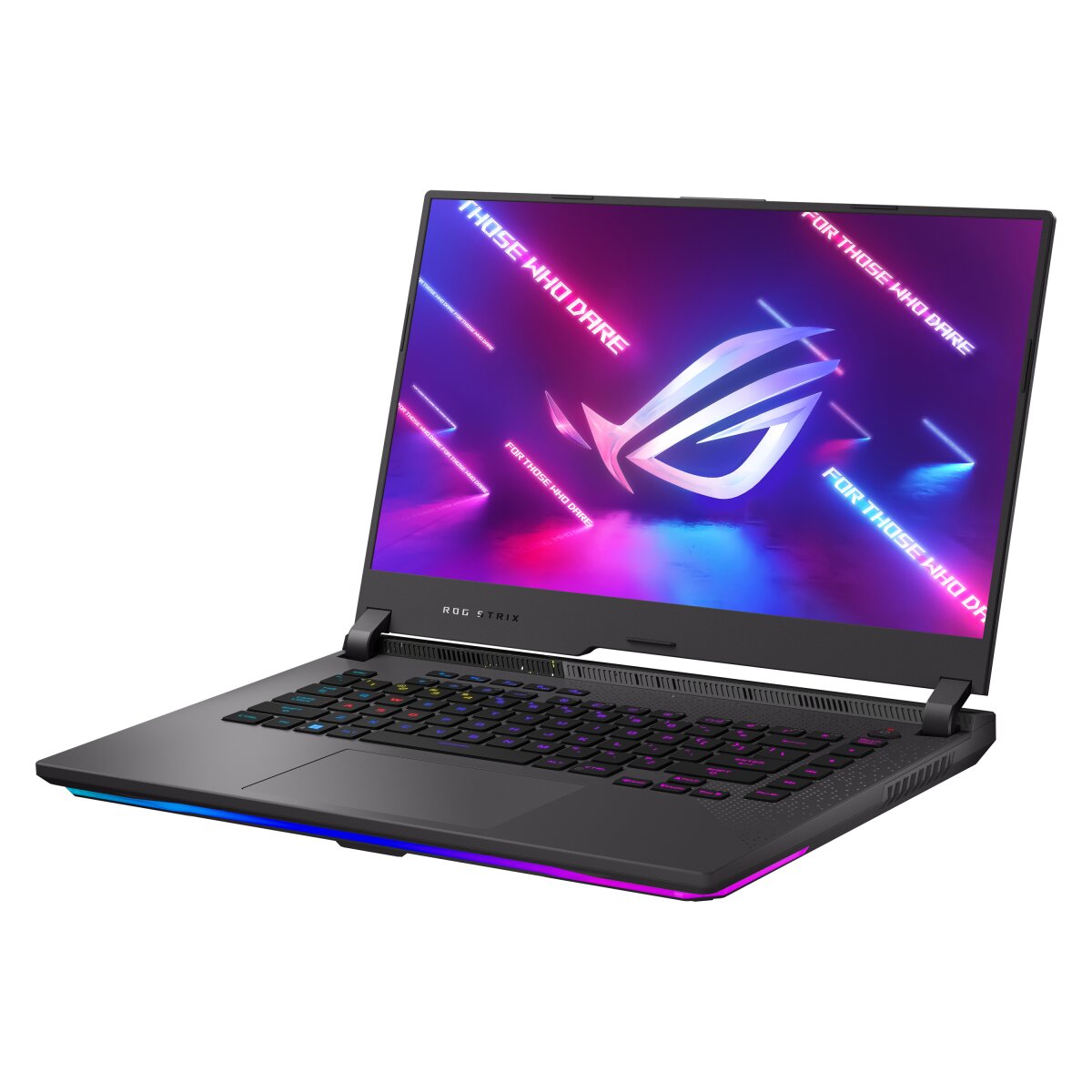
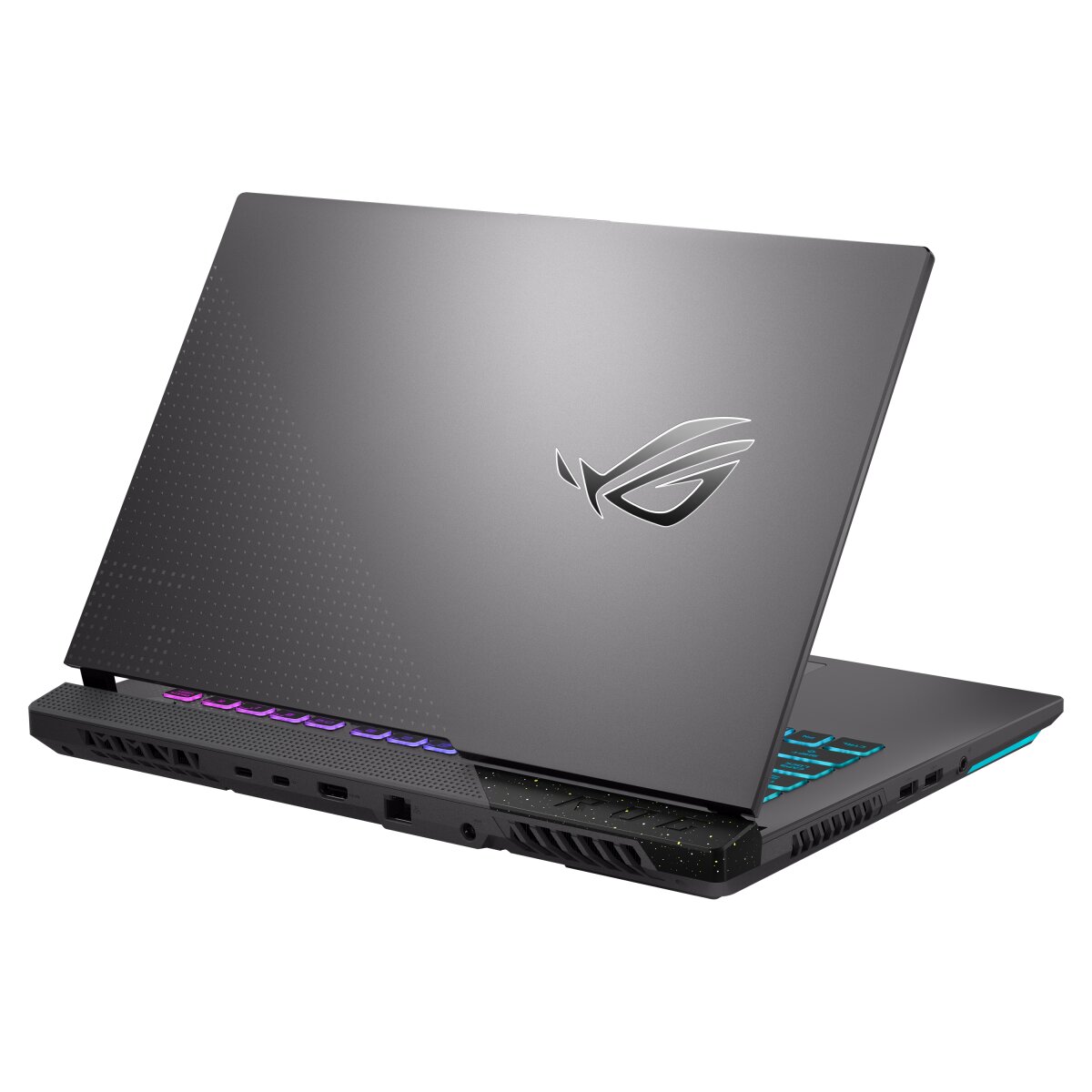
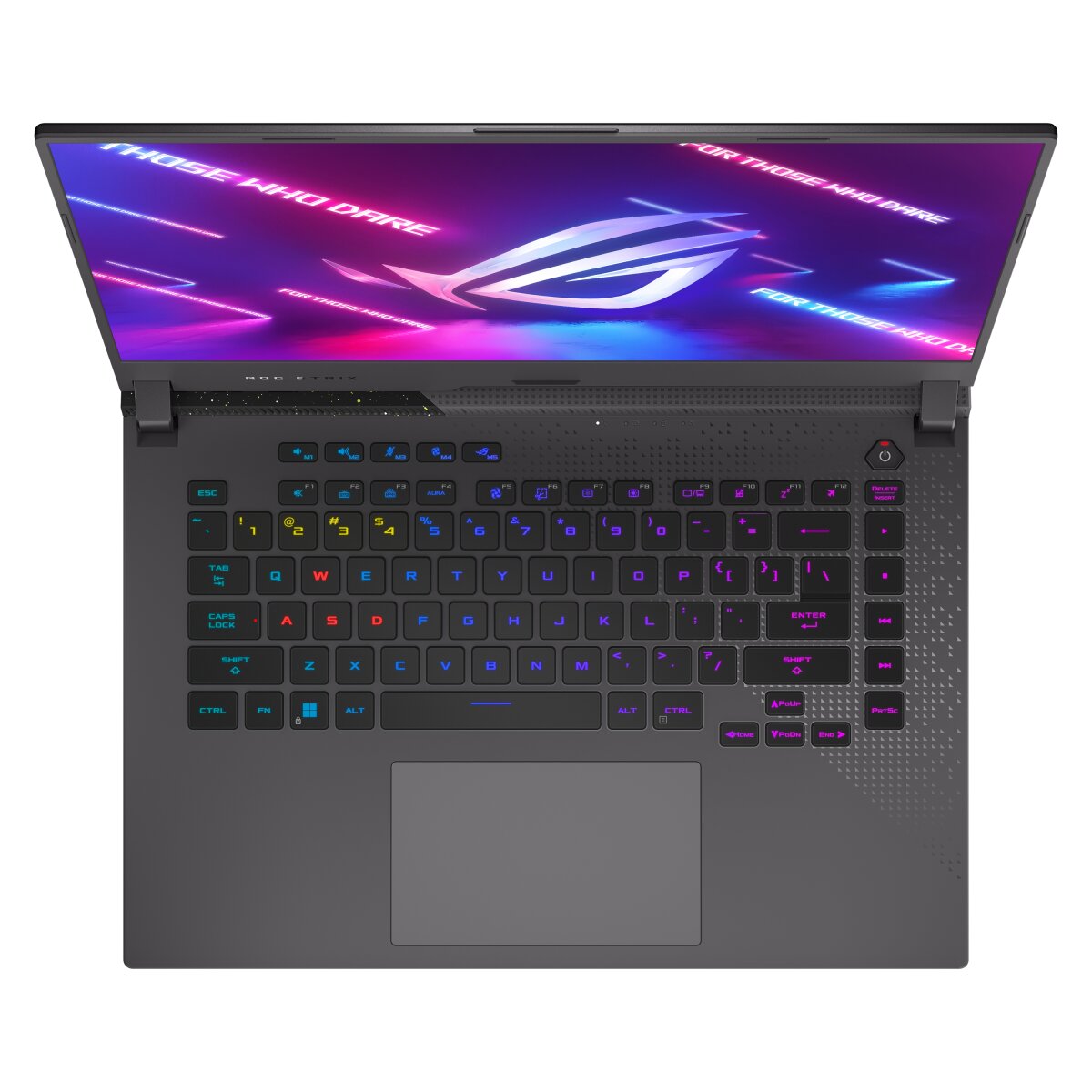
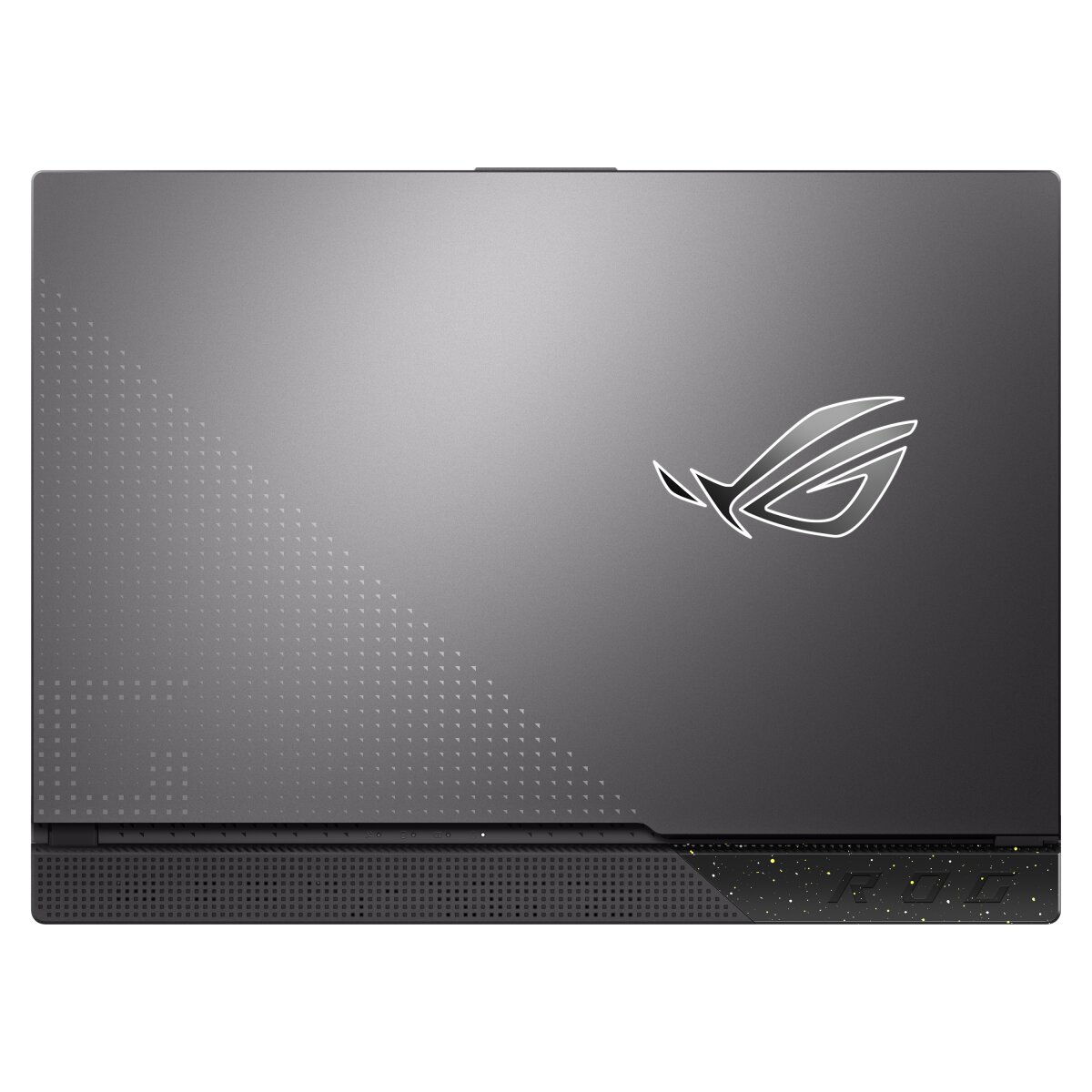
ASUS ROG Strix G15 G513RW-HQ138W laptop features DDR5-SDRAM memory upgrade specifications with 2x SO-DIMM slots supporting maximum capacity of 32 GB RAM. Compatible memory modules operate at 4800 MHz frequency using SO-DIMM form factor. Upgrade specifications enable enhanced multitasking and performance capabilities for gaming and content creation workflows. DDR5 technology provides faster data transfer rates compared to previous generation memory standards.
Memory Upgrade Specifications
| Specification | Value |
|---|---|
| Memory slots | 2x SO-DIMM |
| Form factor | SO-DIMM |
| Memory type | DDR5-SDRAM |
| Frequency | 4800 MHz |
| Maximum RAM | 32 GB |
| Voltage | 1.1V |
| Number of pins | 262-pin |
| Interface | PC5 |
| PC Speed Rating | PC5-4800 (PC5-38400) |
| Bandwidth | 38.4 GB/s |
Additional Notes
- The ASUS ROG G513RW-HQ138W architecture supports DDR5 modules exclusively, preventing backward compatibility with DDR4 or earlier generation memory.
- The 32 GB ceiling requires dual 16 GB modules in matched pairs to maintain dual-channel bandwidth optimization.
- Installing a single module or mismatched capacities forces single-channel operation, reducing theoretical memory bandwidth from 76.8 GB/s to 38.4 GB/s.
- The 4800 MHz native speed operates with JEDEC standard timings, while higher frequency modules automatically downclock to this specification.
- SO-DIMM slots positioned beneath the bottom panel typically require complete base cover removal for access, involving multiple screw types and potential cable disconnect.
- DDR5 modules operate at 1.1V standard voltage, eliminating voltage adjustment concerns present in DDR4 configurations.
- Factory-installed memory removal does not void warranty under most regional consumer protection laws, though third-party damage during installation remains unprotected.
- The dual-slot configuration limits upgrade flexibility compared to 4-slot desktop systems, as capacity expansion requires complete module replacement rather than addition.
- CAS latency specifications absent from the provided data suggest default JEDEC timings of CL40 or CL42, which cannot be manually adjusted in most laptop BIOS implementations.
- ECC memory support remains unspecified but is typically absent in consumer gaming architectures, restricting module compatibility to non-ECC SO-DIMMs.
- Thermal constraints within the chassis may prevent sustained 4800 MHz operation under combined CPU and GPU load, triggering automatic throttling to lower frequency states.