ASUS ROG PX513IC-HN071X RAM upgrade specifications

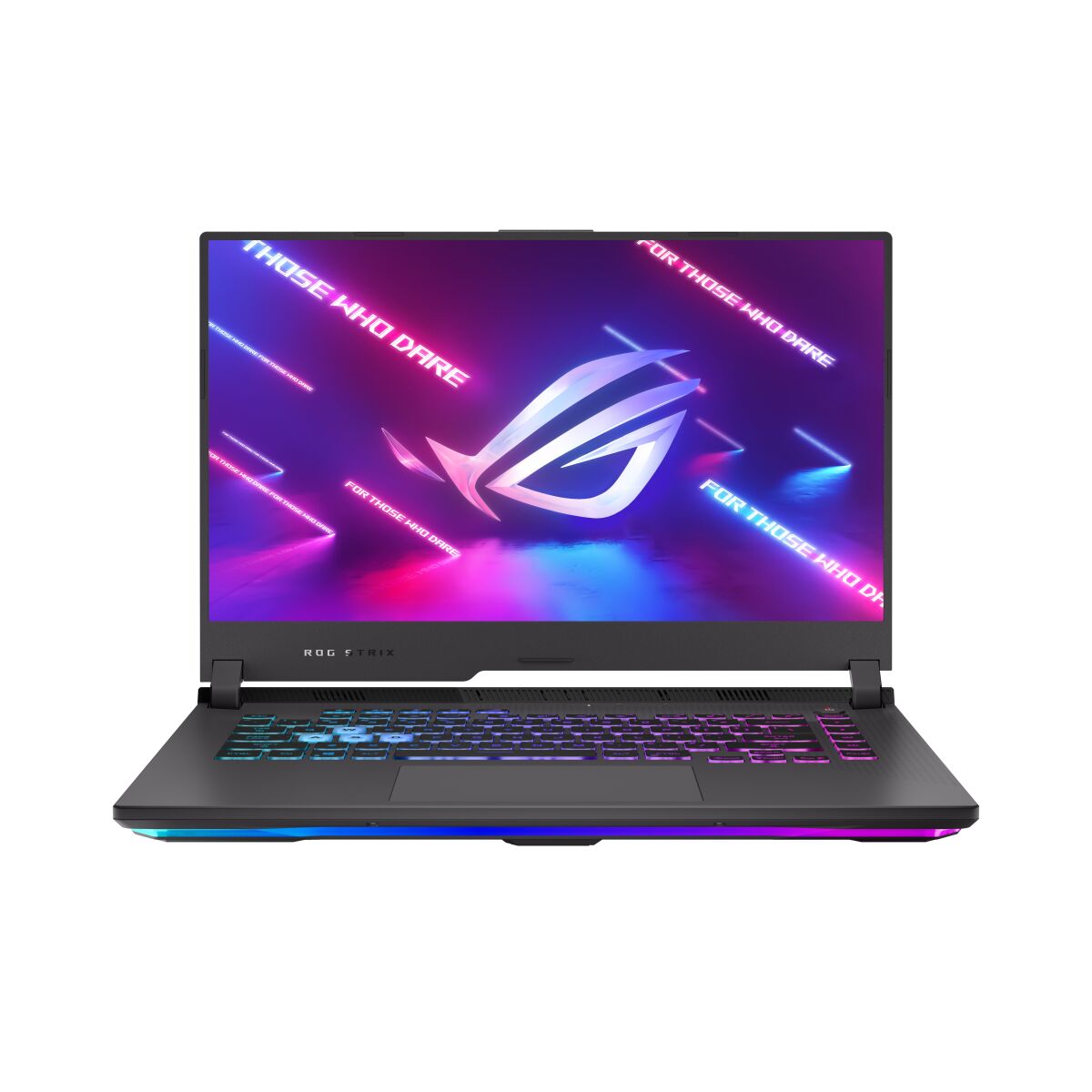



ASUS ROG Strix G15 series model PX513IC-HN071X features DDR4-SDRAM memory upgrade specifications. The laptop contains 2x SO-DIMM slots supporting maximum RAM capacity of 32 GB. Memory modules operate at 3200 MHz frequency. SO-DIMM form factor ensures compatibility with standard laptop memory upgrades. Specifications enable users to expand memory capacity through compatible DDR4 modules installed in available slots to achieve maximum supported configuration.
Memory Upgrade Specifications
| Specification | Value |
|---|---|
| Memory slots | 2x SO-DIMM |
| Form factor | SO-DIMM |
| Memory type | DDR4-SDRAM |
| Frequency | 3200 MHz |
| Maximum RAM | 32 GB |
| Voltage | 1.2V |
| Number of pins | 260-pin |
| Interface | PC4 |
| PC Speed Rating | PC4-3200 (PC4-25600) |
| Bandwidth | 25.6 GB/s |
| Laptop Release date | 16 February 2022 |
Additional Notes
- The ASUS ROG PX513IC-HN071X supports a maximum of 32 GB total capacity, meaning each SO-DIMM slot can accommodate 16 GB modules at most.
- DDR4-3200 memory operates at a fixed frequency; mixing higher-speed modules (3600 MHz or above) will downclock to 3200 MHz, eliminating any performance advantage from premium memory specifications.
- SO-DIMM modules occupy minimal physical space but require precise insertion angle and force; improper installation may trigger no-POST conditions without damaging the module itself.
- The 2-slot architecture creates a single-point-of-failure topology; loss of one module results in complete system failure rather than degraded operation, unlike multi-channel configurations.
- Upgrading from factory configuration to 32 GB requires both SO-DIMM slots to be populated; partial upgrades leave unused capacity unless a full-capacity module is already installed.
- DDR4 memory remains in moderate supply chains with stable pricing; however, SO-DIMM variants for gaming laptops experience longer lead times than desktop UDIMM counterparts.
- Warranty policies on this model typically permit RAM replacement without voiding coverage; however, BIOS-level memory validation may reject modules outside JEDEC standards, requiring manual configuration or BIOS updates.
- The 3200 MHz specification matches native JEDEC support; memory rated at 2933 MHz or lower will function correctly but underutilize available bandwidth in dual-channel operation.