ASUS ROG G615LW-S5075W RAM upgrade specifications




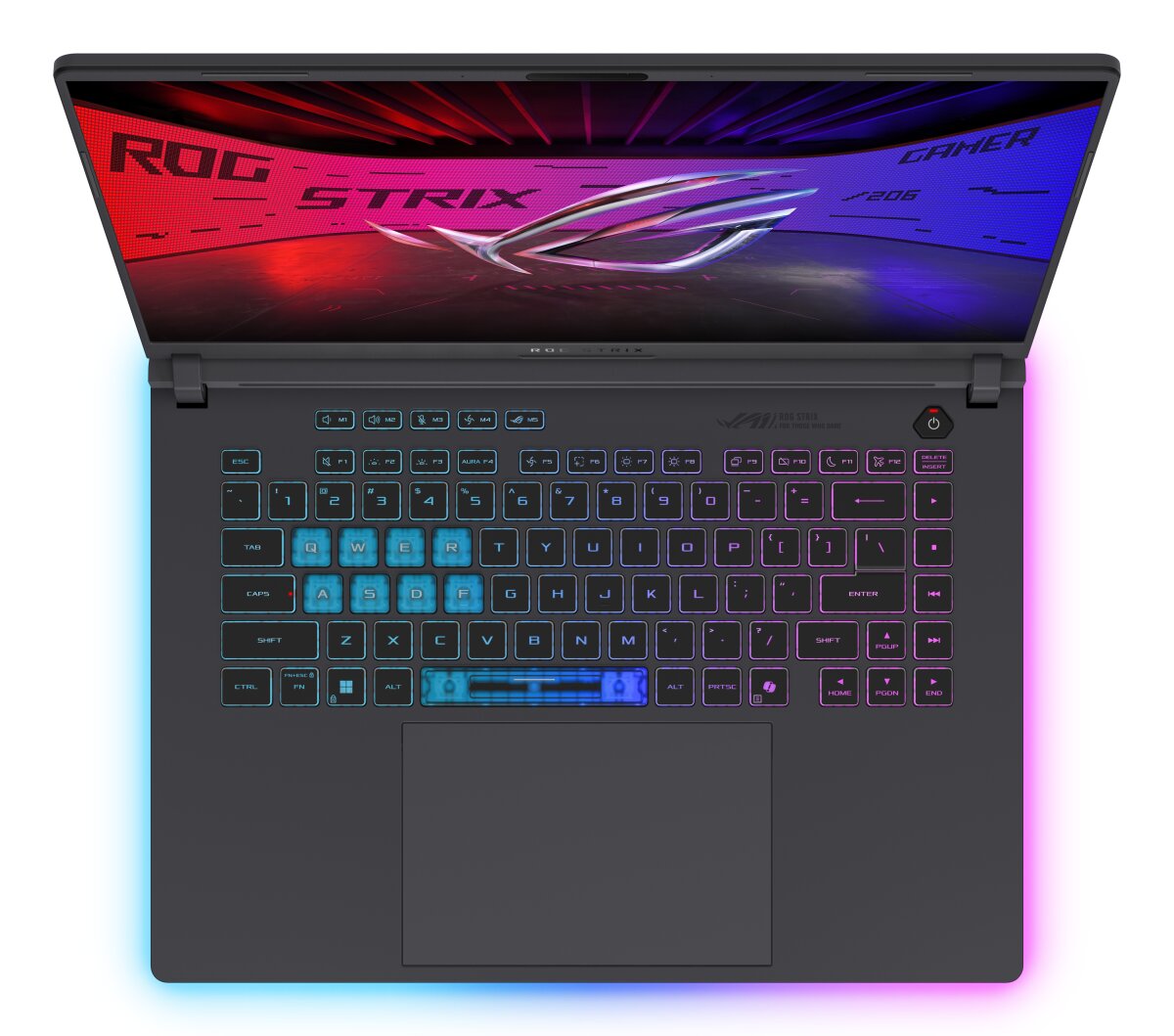
ASUS ROG Strix G15 model G615LW-S5075W features DDR5-SDRAM memory upgrade specifications. The laptop contains 2x SO-DIMM slots for memory expansion. Maximum RAM capacity reaches 64 GB when fully upgraded. Compatible memory modules operate at 5600 MHz frequency with SO-DIMM form factor. Specifications support DDR5 technology for enhanced performance in gaming and professional applications.
Memory Upgrade Specifications
| Specification | Value |
|---|---|
| Memory slots | 2x SO-DIMM |
| Form factor | SO-DIMM |
| Memory type | DDR5-SDRAM |
| Frequency | 5600 MHz |
| Maximum RAM | 64 GB |
| Voltage | 1.1V |
| Number of pins | 262-pin |
| Interface | PC5 |
| PC Speed Rating | PC5-5600 (PC5-44800) |
| Bandwidth | 44.8 GB/s |
Additional Notes
- The DDR5-5600 specification indicates compatibility exclusively with DDR5 modules, preventing use of any DDR4 memory due to physical notch differences and voltage incompatibility between the two generations.
- The 64 GB maximum capacity constraint requires users seeking this configuration to install 2 modules of 32 GB each, as no higher-density SO-DIMM modules exist for consumer laptops.
- SO-DIMM form factor compliance is mandatory, as standard desktop DIMM modules will not physically fit the motherboard connectors regardless of electrical specifications.
- Memory bandwidth peaks at 89.6 GB/s in dual-channel configuration when both slots are populated with identical modules, while single-module operation reduces this to approximately 44.8 GB/s.
- The ASUS ROG G615LW-S5075W requires matched pairs for optimal stability, meaning modules should share identical specifications including capacity, frequency rating, and CAS latency timings.
- Operating frequency may default to JEDEC standard speeds unless XMP 3.0 or EXPO profiles are enabled in BIOS, potentially running modules below their rated 5600 MHz capability.
- Installing modules with different speeds forces all memory to operate at the lowest common frequency, eliminating performance benefits of higher-rated modules.
- Thermal considerations become relevant at maximum capacity, as 2 high-density modules generate more heat than lower-capacity configurations during sustained workloads.
- Warranty preservation typically permits user-accessible memory upgrades without seal breakage, though verification of specific regional warranty terms remains advisable before installation.
- The dual-slot limitation means capacity upgrades require complete replacement of existing modules rather than simple addition when both slots are already occupied.