ASUS ROG G513RW-XS91-CA RAM upgrade specifications
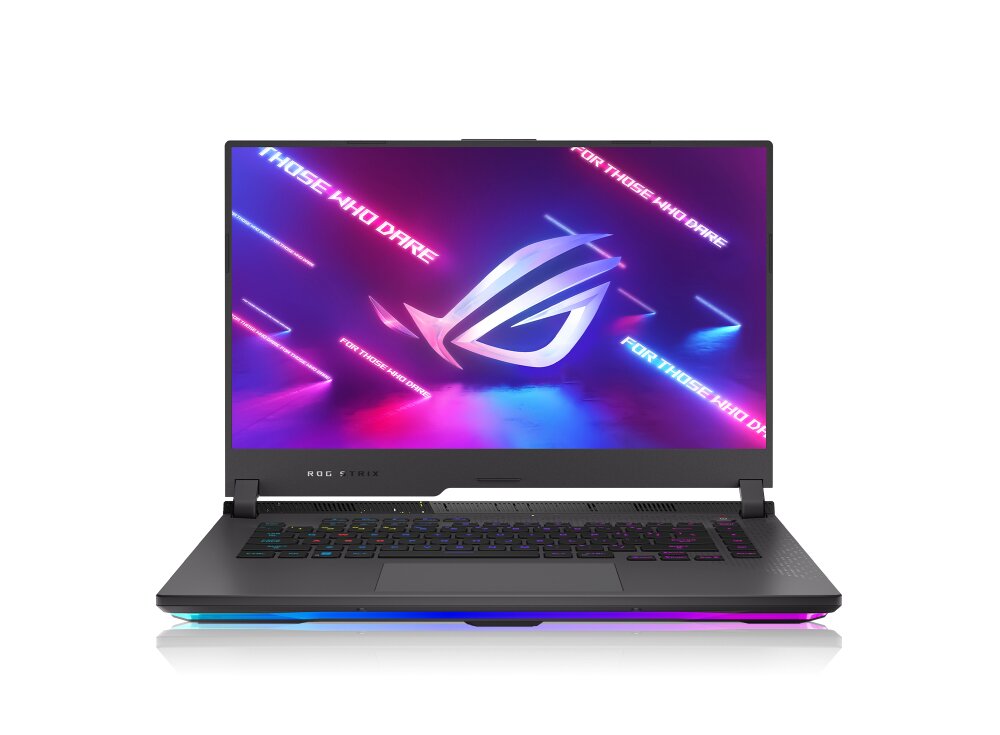
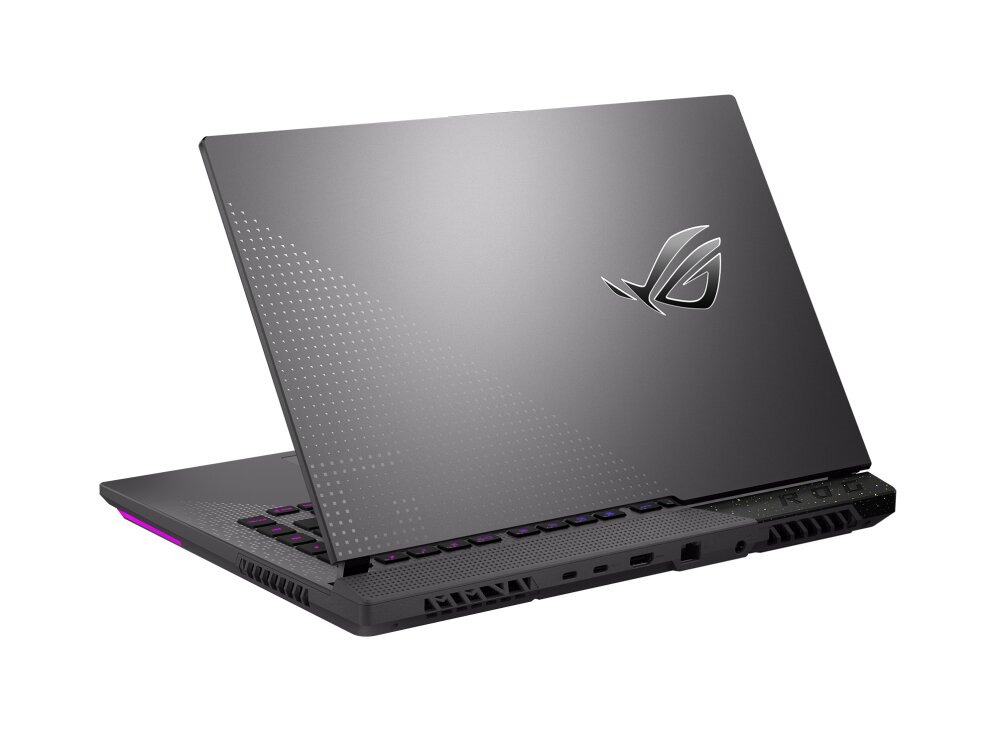
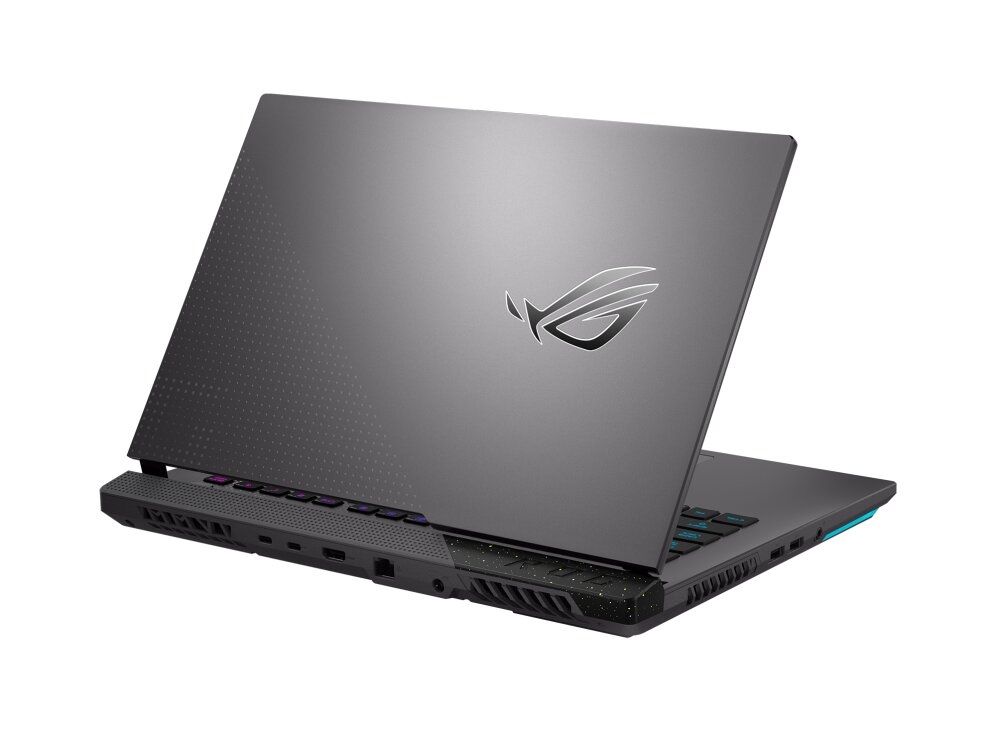
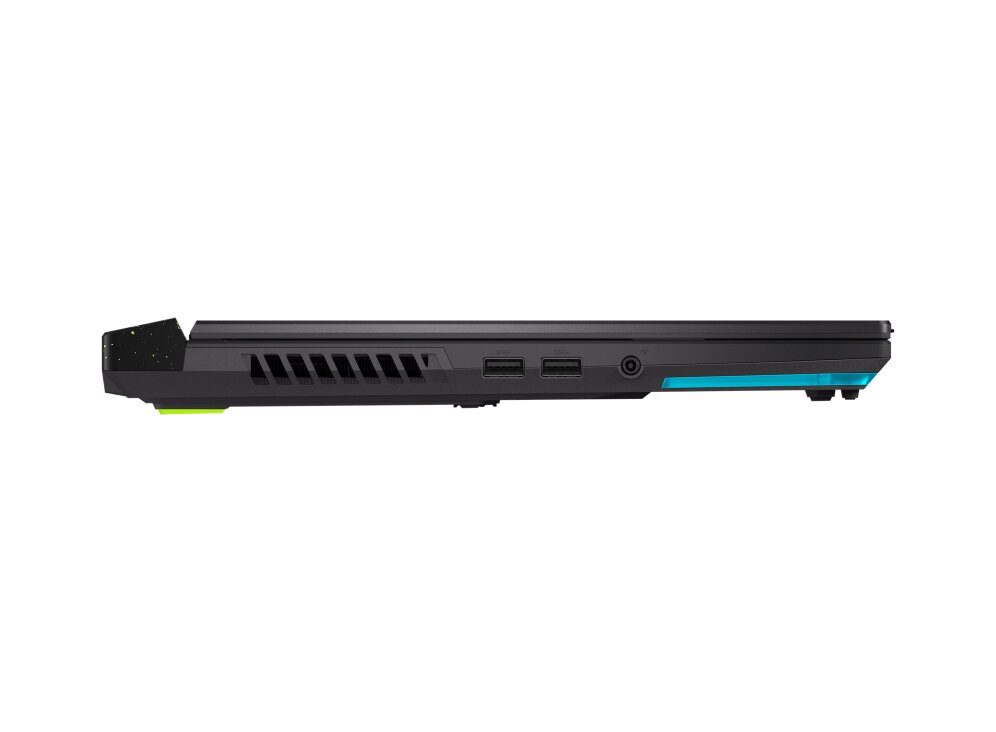
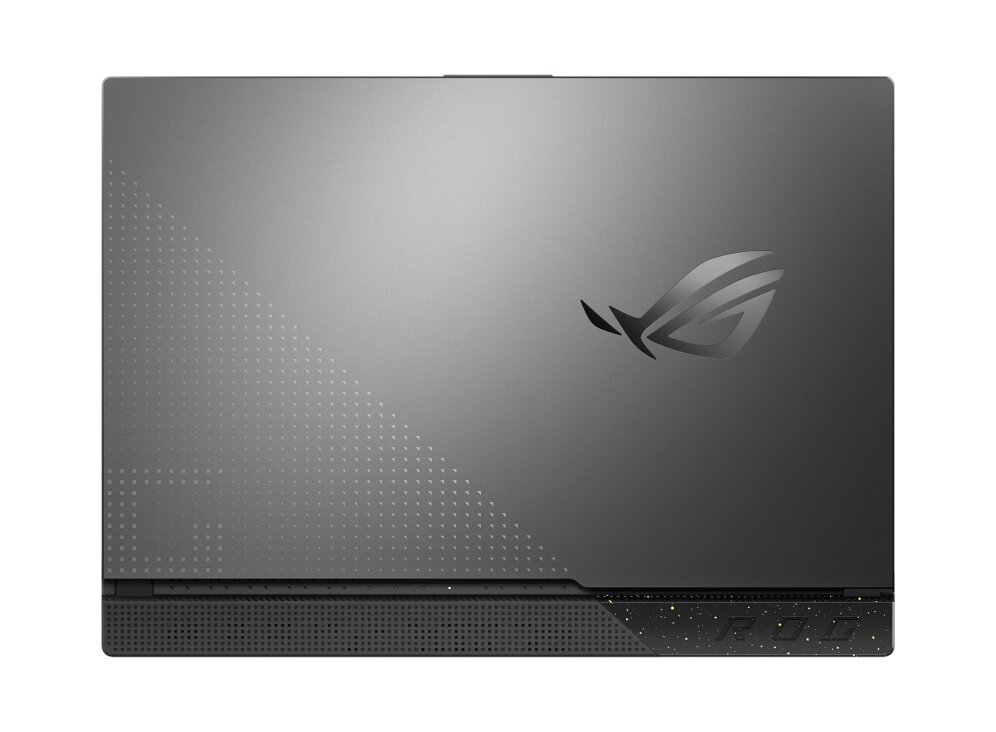
ASUS ROG Strix G15 G513RW-XS91-CA laptop features DDR5-SDRAM memory upgrade capability with 2x SO-DIMM slots supporting maximum RAM capacity of 32 GB. Memory specifications include DDR5 4800 MHz frequency compatibility. Compatible RAM upgrades utilize SO-DIMM form factor modules. Maximum memory configuration supports up to 32 GB total capacity for enhanced multitasking performance and application responsiveness.
Memory Upgrade Specifications
| Specification | Value |
|---|---|
| Memory slots | 2x SO-DIMM |
| Form factor | SO-DIMM |
| Memory type | DDR5-SDRAM |
| Frequency | 4800 MHz |
| Maximum RAM | 32 GB |
| Voltage | 1.1V |
| Number of pins | 262-pin |
| Interface | PC5 |
| PC Speed Rating | PC5-4800 (PC5-38400) |
| Bandwidth | 38.4 GB/s |
| Laptop Release date | 13 April 2023 |
Additional Notes
- The ASUS ROG G513RW-XS91-CA contains 2 SO-DIMM slots, limiting total capacity to 32 GB when both slots are populated with 16 GB modules. Configurations exceeding this ceiling require hardware replacement rather than expansion.
- DDR5-4800 MHz memory operates at JEDEC standard frequencies, but third-party DDR5 modules rated above 4800 MHz may require BIOS configuration or may not function within specification without manual timing adjustments.
- SO-DIMM form factor installation requires complete system power-down and battery disconnection; improper handling during insertion risks damage to both module pins and slot contacts, potentially voiding warranty coverage.
- Single-channel to dual-channel memory transition occurs only after both SO-DIMM slots contain matched capacity modules; asymmetrical configurations (8 GB + 16 GB) force operation in single-channel mode, reducing bandwidth efficiency by approximately 50 percent.
- DDR5-4800 latency characteristics create tighter timing constraints than DDR4 equivalents; memory compatibility requires verification against the system's qualified vendor list (QVL) prior to purchase to prevent boot failures or stability issues.
- Upgrade paths warrant attention to memory IC binning; modules manufactured after initial system release may operate at different voltages or timings, requiring BIOS updates to maintain stability and preserve warranty conditions.