ASUS ROG G513RX-HQ002W RAM upgrade specifications


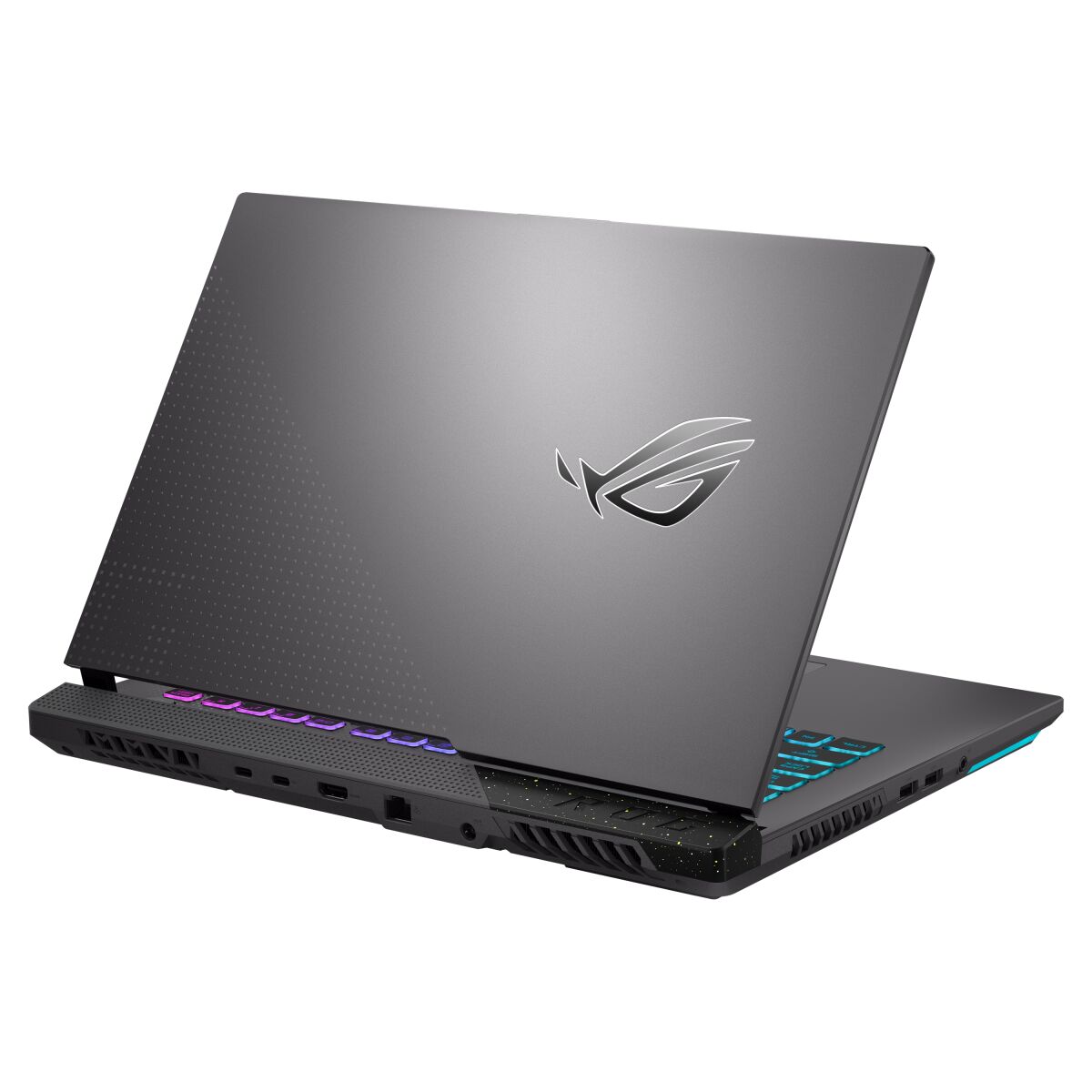

ASUS ROG Strix G15 G513RX-HQ002W RAM upgrade specifications include DDR5-SDRAM memory compatible with 2x SO-DIMM slots. Maximum supported capacity reaches 32 GB total, with memory operating at 4800 MHz frequency. SO-DIMM form factor ensures compatibility with this gaming laptop model. Upgrade capacity and slot configuration enable flexible memory expansion for enhanced multitasking and performance capabilities.
Memory Upgrade Specifications
| Specification | Value |
|---|---|
| Memory slots | 2x SO-DIMM |
| Form factor | SO-DIMM |
| Memory type | DDR5-SDRAM |
| Frequency | 4800 MHz |
| Maximum RAM | 32 GB |
| Voltage | 1.1V |
| Number of pins | 262-pin |
| Interface | PC5 |
| PC Speed Rating | PC5-4800 (PC5-38400) |
| Bandwidth | 38.4 GB/s |
| Laptop Release date | 10 January 2022 |
Additional Notes
- The dual-channel architecture requires populated slots in pairs to achieve the peak theoretical bandwidth necessary for the high-speed processor communication found in the ASUS ROG G513RX-HQ002W.
- The use of SODIMM modules necessitates a physical teardown of the chassis base for installation because there is no external access hatch for memory components.
- Operating at 4800 MHz on a DDR5 platform introduces integrated Power Management Integrated Circuits on the modules themselves which changes heat dissipation patterns compared to previous generation memory.
- Total capacity limits prevent the installation of 32 GB modules per slot despite the physical compatibility of the DDR5 interface.
- Internal voltage regulation is handled on the memory sticks rather than the motherboard which reduces motherboard complexity but requires modules that strictly adhere to JEDEC voltage standards for boot stability.
- Latency performance will be governed by the slower of the two modules if mismatched sticks are installed together in the available slots.
- The transition to DDR5 ensures that memory chips feature On-die Error Correction Code for improved data integrity during high-load computing tasks.