ASUS ROG G513RW-R96DT37CB1 RAM upgrade specifications
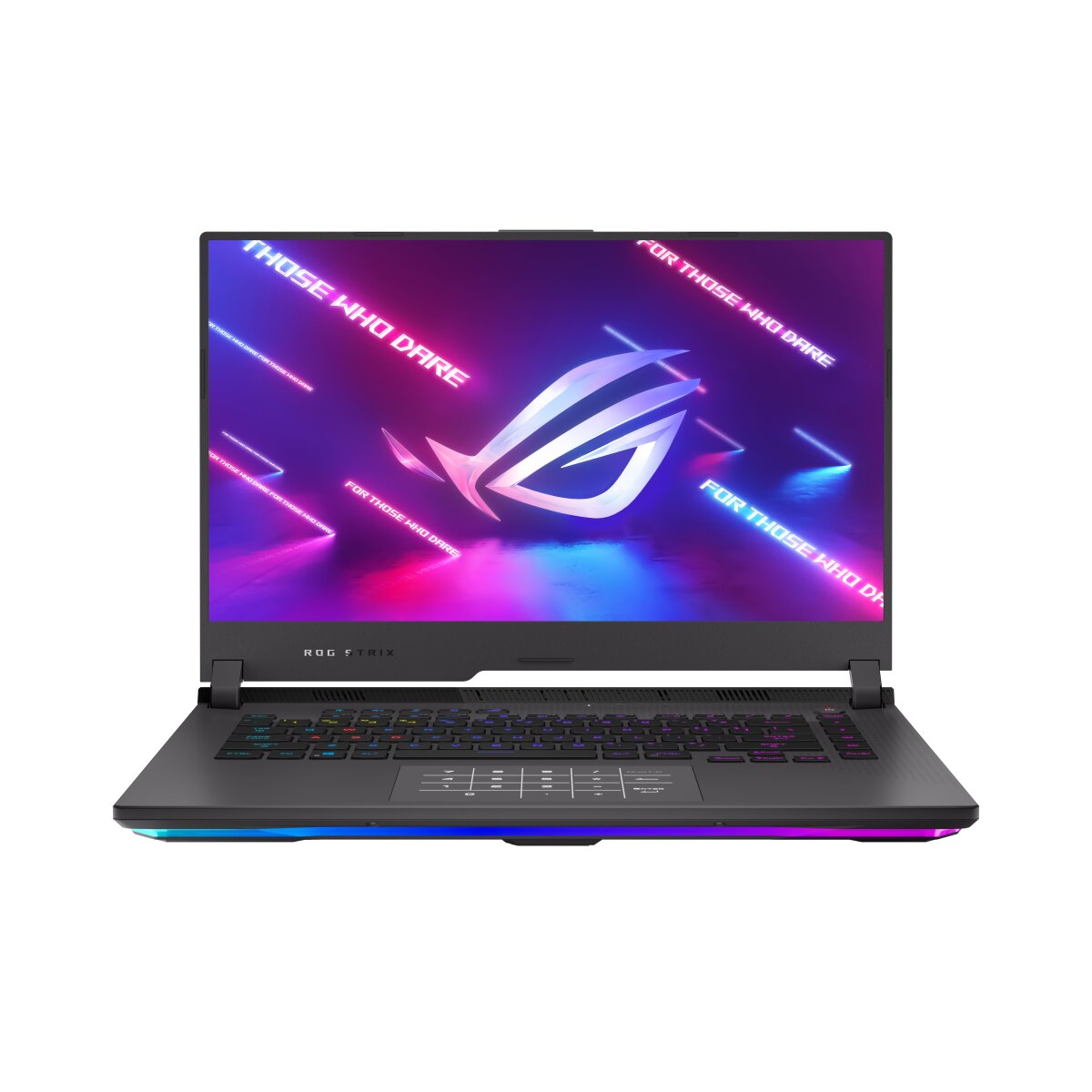



The ASUS ROG Strix G15 G513RW-R96DT37CB1 laptop features two SO-DIMM memory slots supporting DDR5-SDRAM specifications. Maximum RAM capacity reaches 32 GB total, with compatible modules operating at 4800 MHz frequency. Upgrade specifications indicate this gaming laptop supports DDR5 memory technology, enabling users to expand storage from the factory configuration to the maximum supported capacity of 32 GB through compatible SO-DIMM upgrades.
Memory Upgrade Specifications
| Specification | Value |
|---|---|
| Memory slots | 2x SO-DIMM |
| Form factor | SO-DIMM |
| Memory type | DDR5-SDRAM |
| Frequency | 4800 MHz |
| Maximum RAM | 32 GB |
| Voltage | 1.1V |
| Number of pins | 262-pin |
| Interface | PC5 |
| PC Speed Rating | PC5-4800 (PC5-38400) |
| Bandwidth | 38.4 GB/s |
Additional Notes
- The ASUS ROG G513RW-R96DT37CB1 supports DDR5 memory exclusively, preventing the installation of any DDR4 modules due to physical notch position differences and voltage incompatibility.
- The 32 GB capacity ceiling requires dual-channel configuration with matched 16 GB modules, as single-rank 32 GB SO-DIMMs may exceed compatibility or generate POST errors on this platform.
- DDR5-4800 represents the JEDEC base specification, allowing installation of higher-rated modules that will downclock to 4800 MHz based on chipset and processor memory controller limitations.
- SO-DIMM form factor indicates standard laptop module dimensions of 67.6 mm in length, incompatible with desktop DIMM modules measuring 133.35 mm.
- Dual SO-DIMM socket architecture enables memory upgrades without soldered components, though access typically requires bottom panel removal that may affect warranty seals depending on regional regulations.
- Operating at 4800 MHz, the memory subsystem provides 38.4 GB/s per channel or 76.8 GB/s total theoretical bandwidth in dual-channel mode, relevant for GPU memory sharing in integrated graphics scenarios.
- DDR5 technology mandates on-die ECC that corrects single-bit errors transparently without user configuration, distinct from full ECC modules requiring specific chipset support.
- Mixed-capacity configurations such as 8 GB plus 16 GB modules will function but may restrict dual-channel operation to the lower common capacity, reducing effective bandwidth for the excess memory.
- Installation of non-matching frequency modules results in all memory operating at the slowest module's speed, negating performance benefits from higher-rated components.
- The 1.1V standard operating voltage for DDR5 differs from DDR4's 1.2V, requiring power delivery circuit compatibility already integrated into the motherboard design.