ASUS ROG G614FR-S5013W RAM upgrade specifications

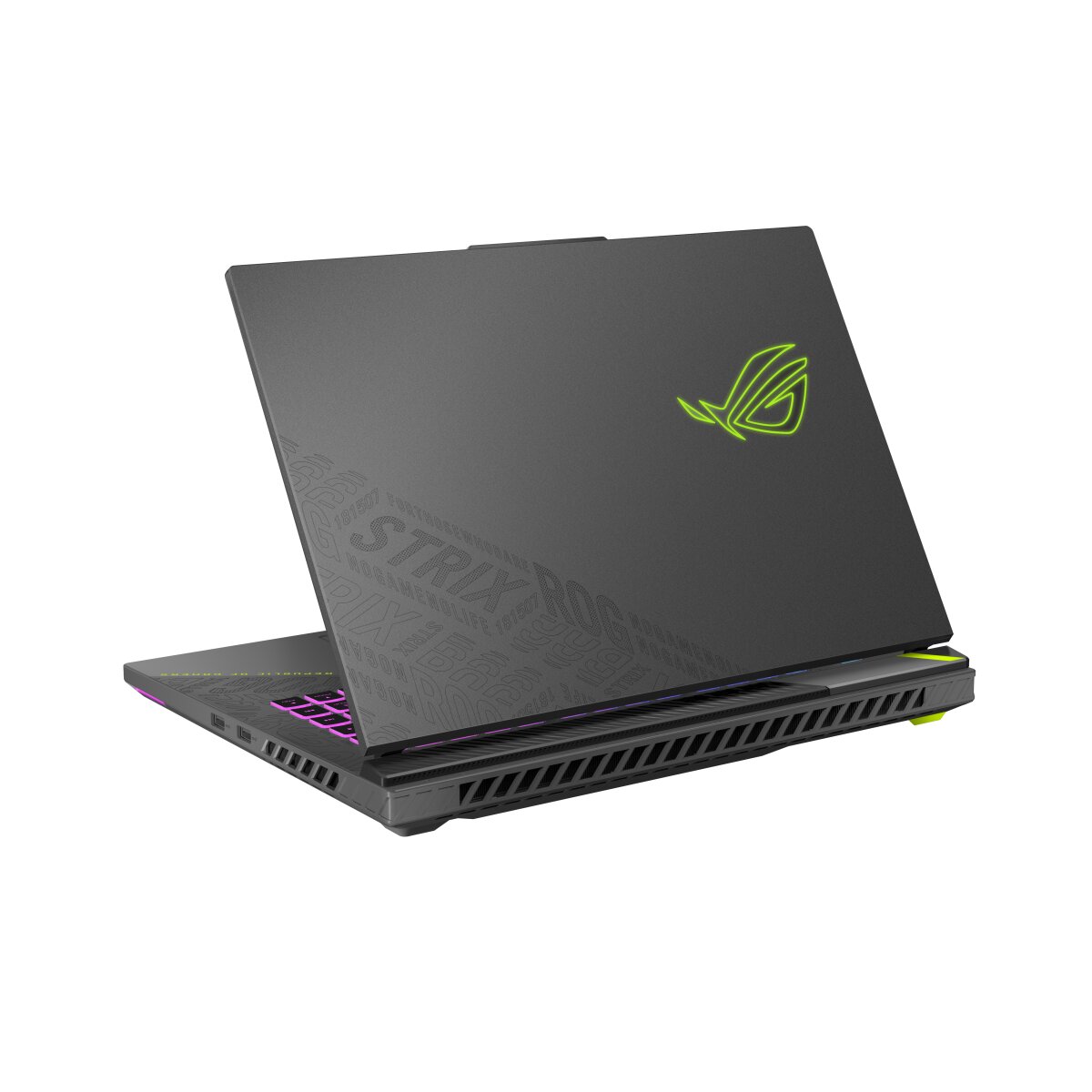
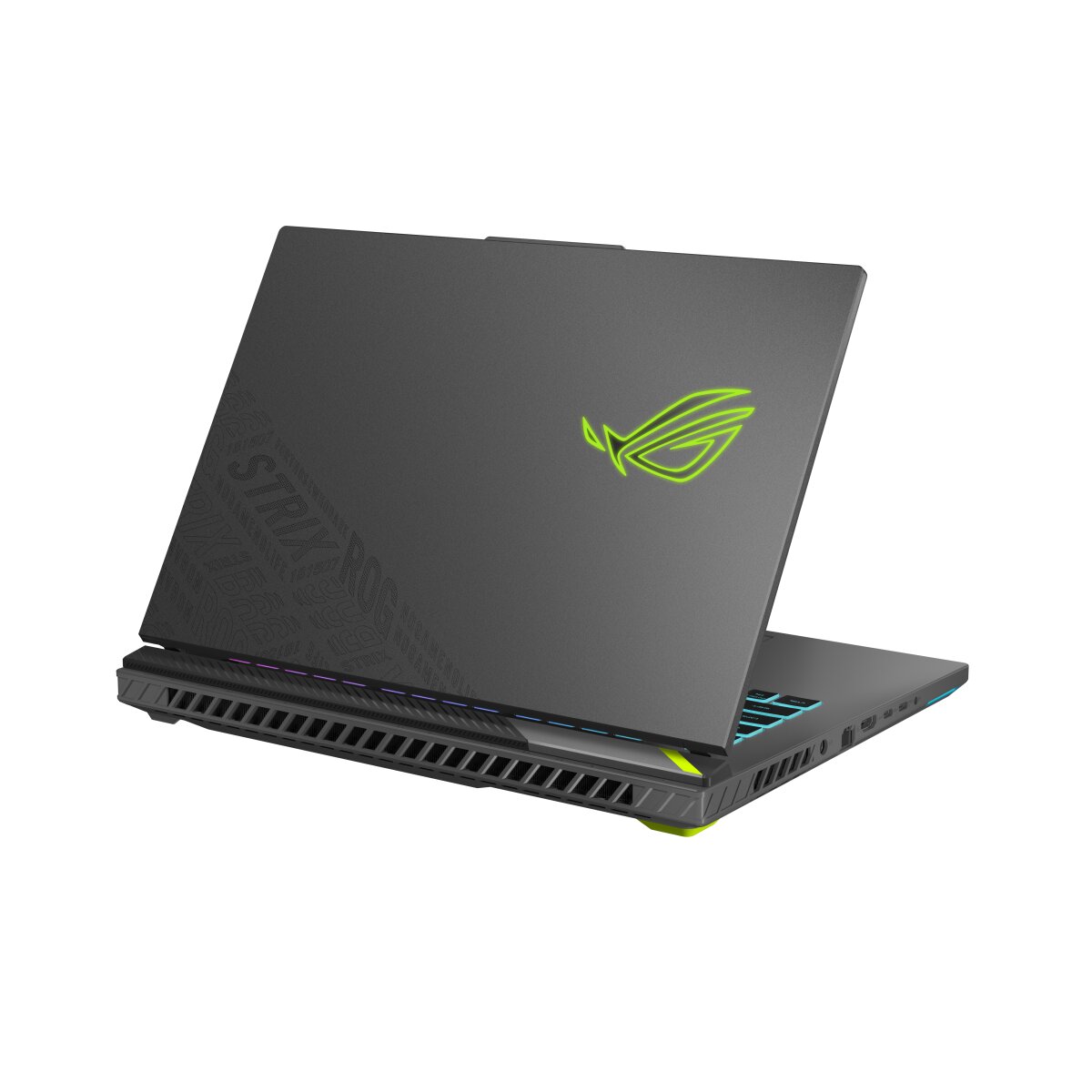
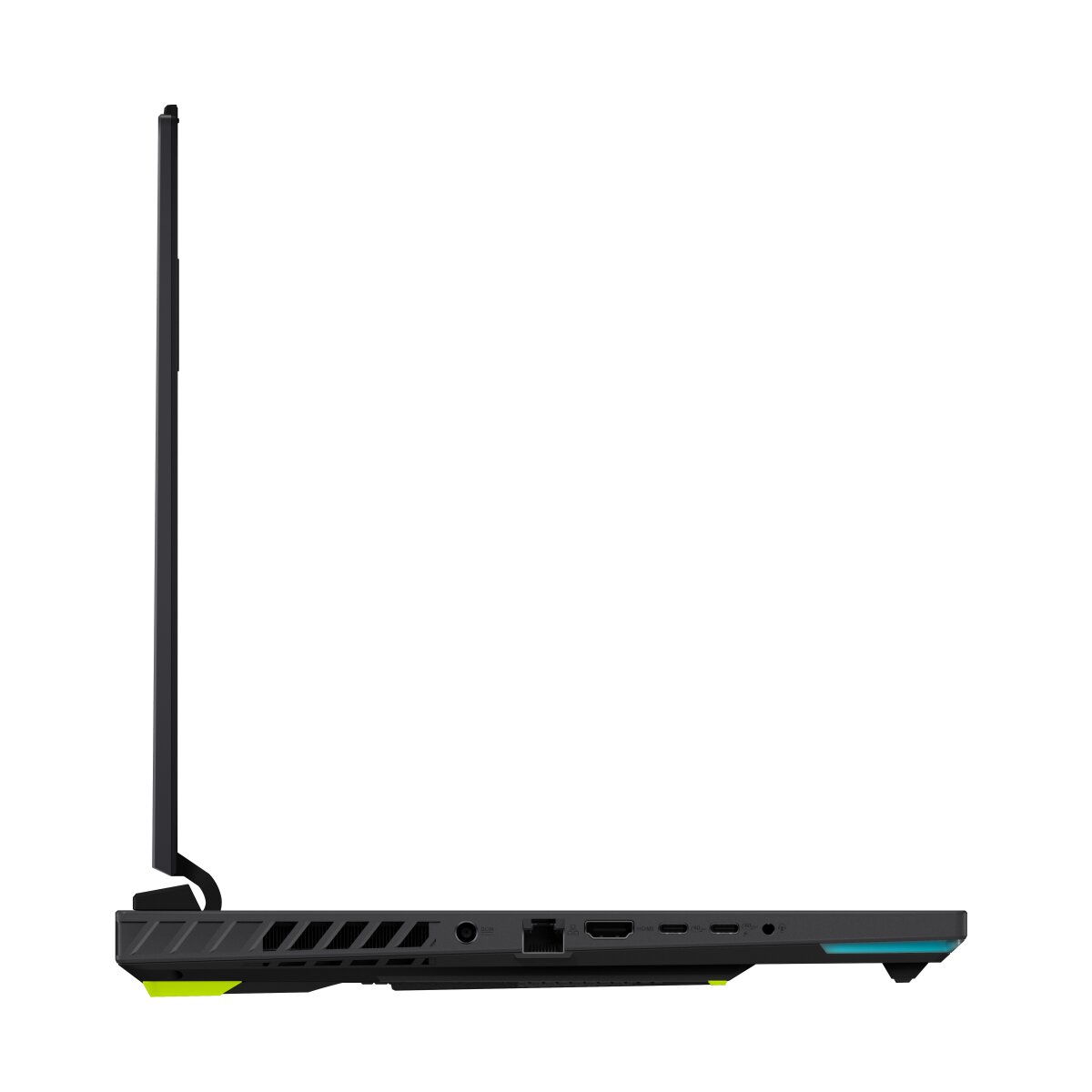
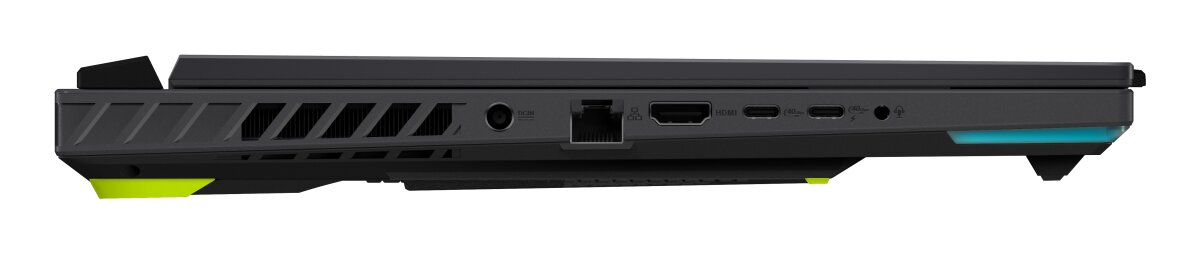
ASUS ROG Strix G16 G614FR-S5013W laptop features DDR5-SDRAM memory with 2x SO-DIMM slots supporting maximum capacity of 32 GB. Memory upgrade specifications indicate compatible DDR5 modules operating at 5600 MHz frequency. SO-DIMM form factor provides standard memory upgrade options for this gaming laptop model. Maximum RAM capacity of 32 GB achievable through dual slot configuration with compatible DDR5-SDRAM modules.
Memory Upgrade Specifications
| Specification | Value |
|---|---|
| Memory slots | 2x SO-DIMM |
| Form factor | SO-DIMM |
| Memory type | DDR5-SDRAM |
| Frequency | 5600 MHz |
| Maximum RAM | 32 GB |
| Voltage | 1.1V |
| Number of pins | 262-pin |
| Interface | PC5 |
| PC Speed Rating | PC5-5600 (PC5-44800) |
| Bandwidth | 44.8 GB/s |
| Laptop Release date | 20 January 2025 |
Additional Notes
- The 32 GB ceiling restricts content creation workflows involving simultaneous 4K video editing, virtual machine deployment, or large dataset processing that typically demand 64 GB or more.
- DDR5 operates on a dual-channel architecture per module, meaning each SO-DIMM contains two independent 32-bit channels, effectively providing quad-channel bandwidth when both slots are populated.
- 5600 MHz represents the JEDEC standard speed for this ASUS ROG G614FR-S5013W configuration, though the memory controller may support higher XMP/EXPO profiles if the manufacturer enables BIOS-level overclocking.
- SO-DIMM DDR5 modules require 1.1V nominal voltage compared to DDR4's 1.2V, reducing thermal output but necessitating compatibility verification with aftermarket cooling solutions.
- The physical installation process involves accessing the bottom panel, which may void warranty seals depending on regional consumer protection laws and ASUS service policies.
- Mixing modules with different CAS latencies will force both to operate at the slower timing specification, creating performance degradation in latency-sensitive applications like competitive gaming or real-time audio processing.
- DDR5's on-die ECC (error correction) functions independently of the system's error-checking capabilities, providing data integrity without requiring ECC-specific motherboard support.
- Upgrading from single-channel to dual-channel configuration can yield 30-40% higher memory bandwidth in integrated graphics scenarios, though discrete GPU setups see minimal frame rate improvements.
- The 262-pin SO-DIMM connector design physically prevents installation of DDR4 modules due to notch repositioning, eliminating cross-generation compatibility errors.
- Thermal throttling may occur with 32 GB configurations during sustained memory-intensive operations if the chassis cooling system prioritizes GPU and CPU heat dissipation over RAM airflow.