ASUS ROG G614JI-N4116W RAM upgrade specifications



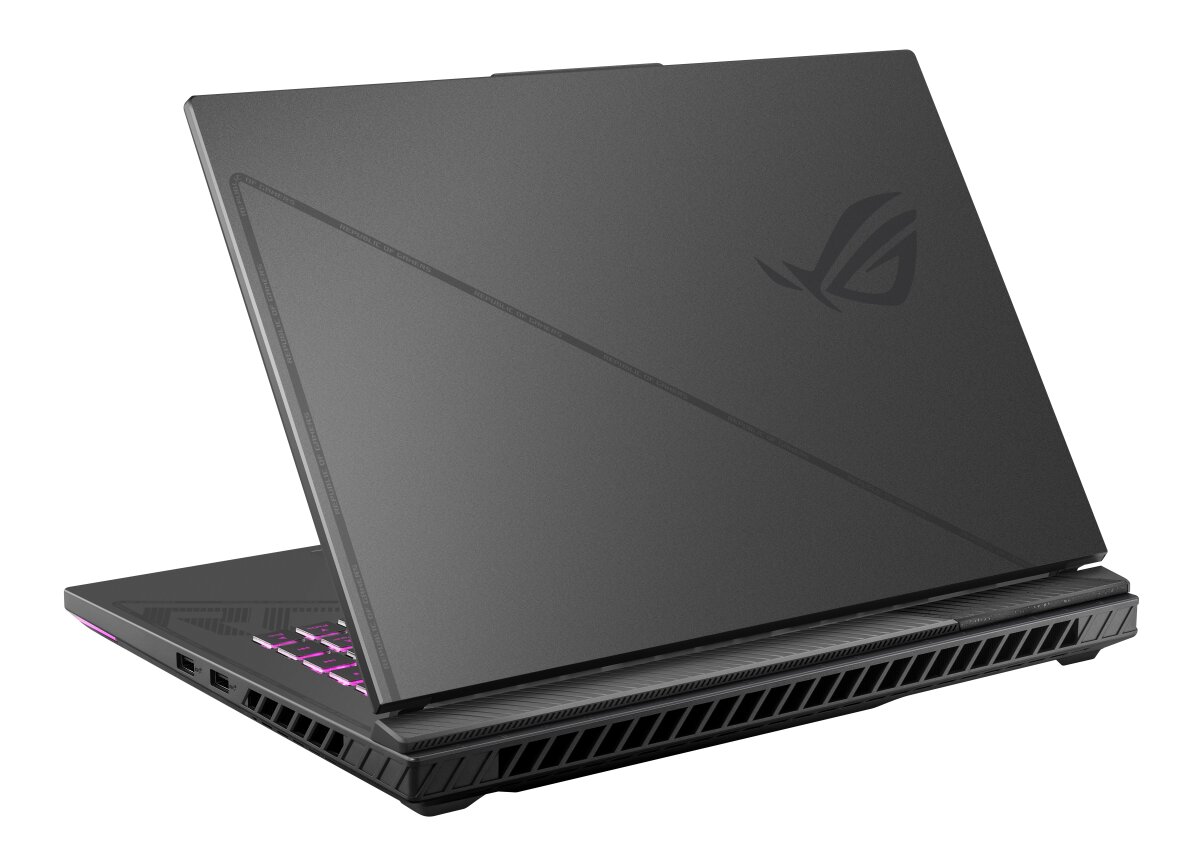
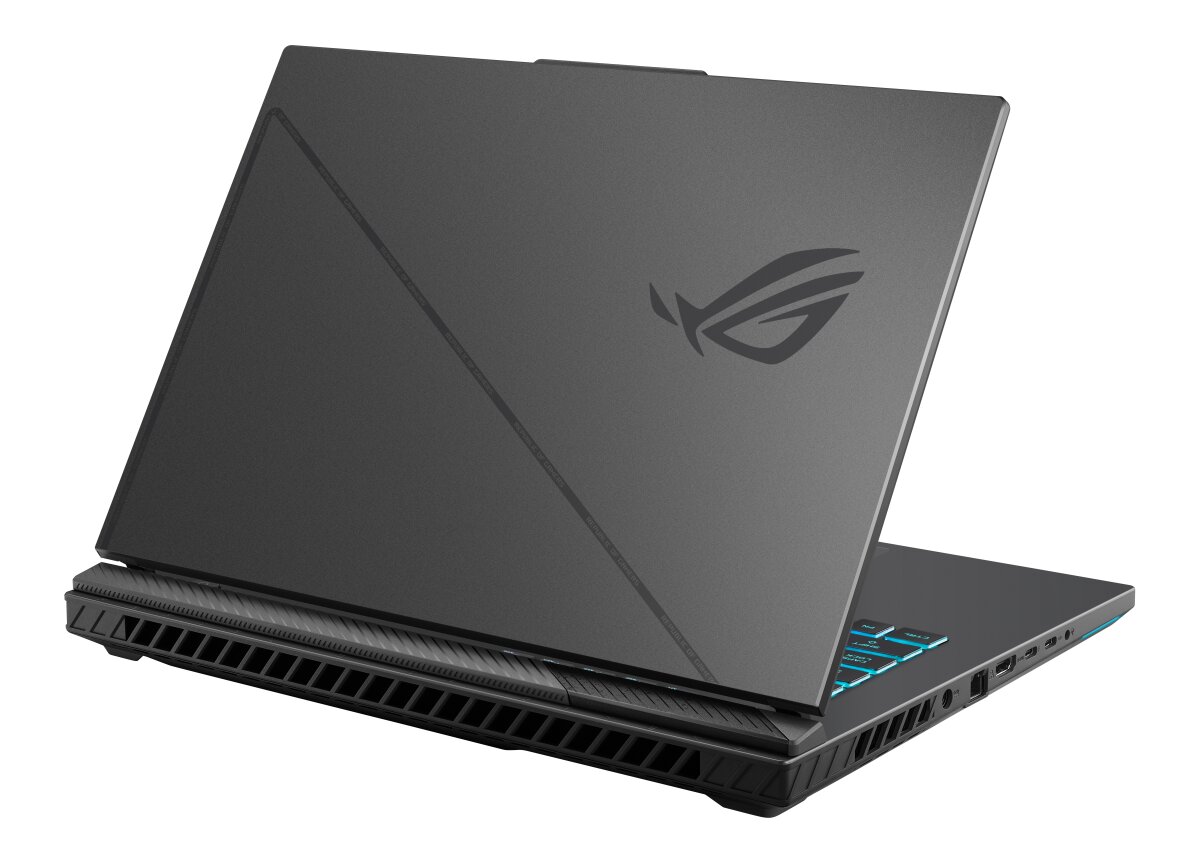
The ASUS ROG Strix G16 G614JI-N4116W laptop features DDR5-SDRAM memory upgrade capabilities with two SO-DIMM slots supporting maximum RAM capacity of 32 GB. The memory specifications include DDR5 technology operating at 4800 MHz frequency. Compatible RAM upgrades utilize SO-DIMM form factor modules, enabling users to expand memory configurations on the G614JI-N4116W model. Standard specifications accommodate dual-channel memory architecture for enhanced system performance.
Memory Upgrade Specifications
| Specification | Value |
|---|---|
| Memory slots | 2x SO-DIMM |
| Form factor | SO-DIMM |
| Memory type | DDR5-SDRAM |
| Frequency | 4800 MHz |
| Maximum RAM | 32 GB |
| Voltage | 1.1V |
| Number of pins | 262-pin |
| Interface | PC5 |
| PC Speed Rating | PC5-4800 (PC5-38400) |
| Bandwidth | 38.4 GB/s |
Additional Notes
- The ASUS ROG G614JI-N4116W accepts only SO-DIMM modules, excluding standard DIMM or MicroDIMM formats regardless of generation compatibility.
- The 32 GB ceiling enforces a maximum 16 GB per module configuration when both slots are populated.
- DDR5 physical keying prevents accidental installation of DDR4 or older generation modules despite identical SO-DIMM dimensions.
- Modules rated above 4800 MHz will downclock to match the supported frequency, eliminating performance gains from higher-speed purchases.
- Mixing different capacity modules triggers asymmetric dual-channel operation, where only matched portions run in dual-channel mode while excess capacity operates in slower single-channel mode.
- Non-matching latencies between modules force the memory controller to adopt the slower timing profile across both channels.
- DDR5 voltage requirements differ from DDR4 at 1.1V versus 1.2V, preventing cross-generation compatibility even if physical installation were possible.
- The 2-slot limitation means capacity upgrades require complete module replacement rather than incremental slot filling beyond the second position.
- Warranty preservation typically requires avoiding modifications to soldered components, though SO-DIMM replacement generally remains user-serviceable on most manufacturer policies.
- Mismatched ranks between modules can reduce stability during high-memory workloads despite successful POST completion.
- Single versus dual-rank module selection affects memory bandwidth availability, with dual-rank configurations providing interleaving benefits on supported controllers.