ASUS ROG G614JI-N4146W RAM upgrade specifications
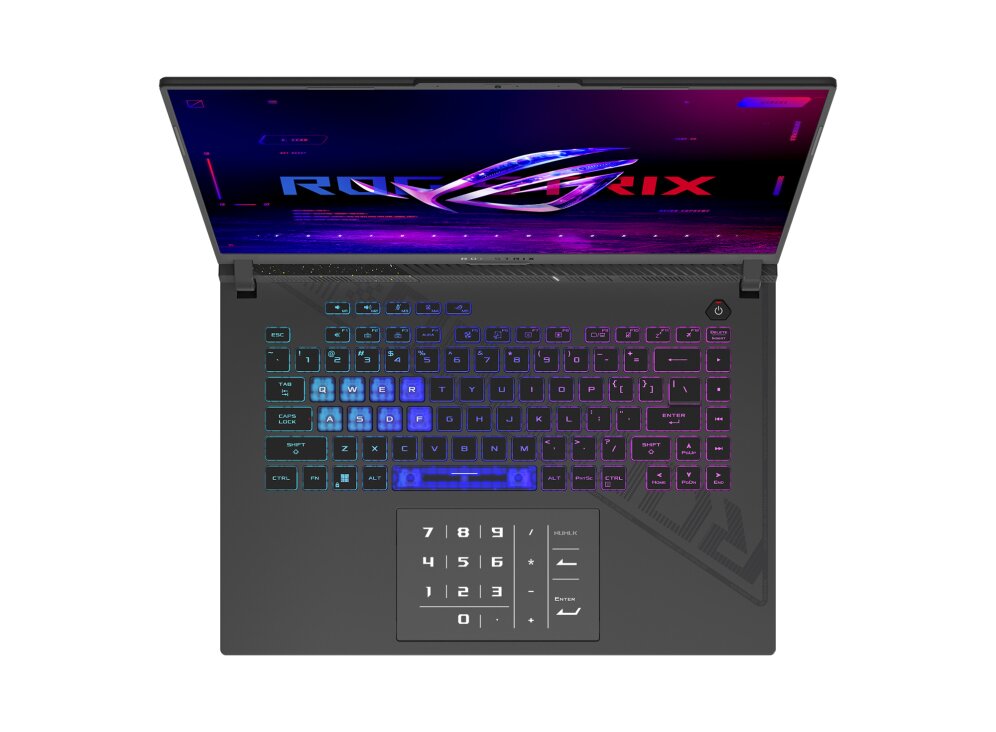




The ASUS ROG Strix G16 G614JI-N4146W laptop features DDR5-SDRAM memory upgrade specifications. The system contains 2x SO-DIMM slots for RAM expansion, supporting a maximum capacity of 32 GB total memory. Compatible upgrades utilize SO-DIMM form factor modules operating at 4800 MHz frequency. The specifications enable users to expand the laptop's memory configuration for enhanced multitasking and performance capabilities.
Memory Upgrade Specifications
| Specification | Value |
|---|---|
| Memory slots | 2x SO-DIMM |
| Form factor | SO-DIMM |
| Memory type | DDR5-SDRAM |
| Frequency | 4800 MHz |
| Maximum RAM | 32 GB |
| Voltage | 1.1V |
| Number of pins | 262-pin |
| Interface | PC5 |
| PC Speed Rating | PC5-4800 (PC5-38400) |
| Bandwidth | 38.4 GB/s |
Additional Notes
- The ASUS ROG G614JI-N4146W accepts only DDR5 modules, preventing the use of DDR4 or older generation memory due to incompatible physical notch positions and voltage requirements.
- The 32 GB maximum capacity limits professional workloads requiring larger memory pools for virtual machines, large dataset processing, or heavy content creation projects.
- SO-DIMM form factor restricts compatibility to laptop-specific modules, which typically cost more per gigabyte than desktop DIMM equivalents and offer fewer high-performance options from third-party manufacturers.
- With only 2 slots available, reaching the 32 GB ceiling requires dual 16 GB modules, eliminating the possibility of future expansion beyond this threshold without replacing both modules.
- The 4800 MHz specification indicates baseline DDR5 speeds rather than higher-performance variants, potentially creating bandwidth bottlenecks in memory-intensive applications compared to systems supporting 5200 MHz or 5600 MHz operation.
- Installing non-matching modules with different speeds or timings forces the memory controller to operate all modules at the lowest common specifications, degrading performance when mixing components.
- DDR5's dual-channel architecture per module provides bandwidth advantages over DDR4, but the 4800 MHz speed ceiling constrains this benefit compared to what the platform's memory controller might otherwise support.
- Accessing the SO-DIMM slots typically requires bottom panel removal, and improper disassembly techniques risk voiding manufacturer warranties unless following documented service procedures.
- The system's thermal design may not accommodate high-density memory modules with tall heat spreaders, potentially causing physical interference with the bottom panel or internal cooling components.
- DDR5 modules require stricter voltage regulation at 1.1V compared to DDR4's 1.2V, meaning non-JEDEC compliant modules could trigger stability issues or prevent POST completion.