ASUS ROG G614JIR-N3080W-GAMING RAM upgrade specifications



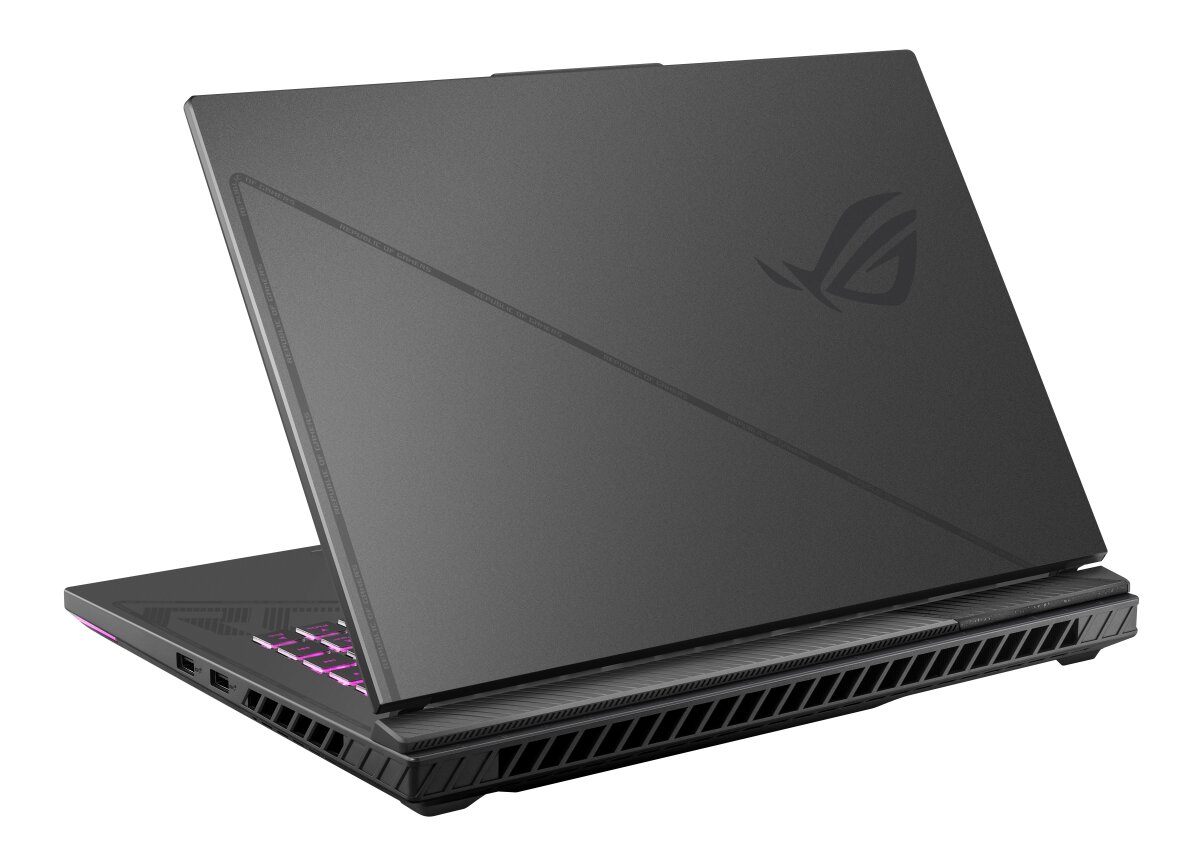
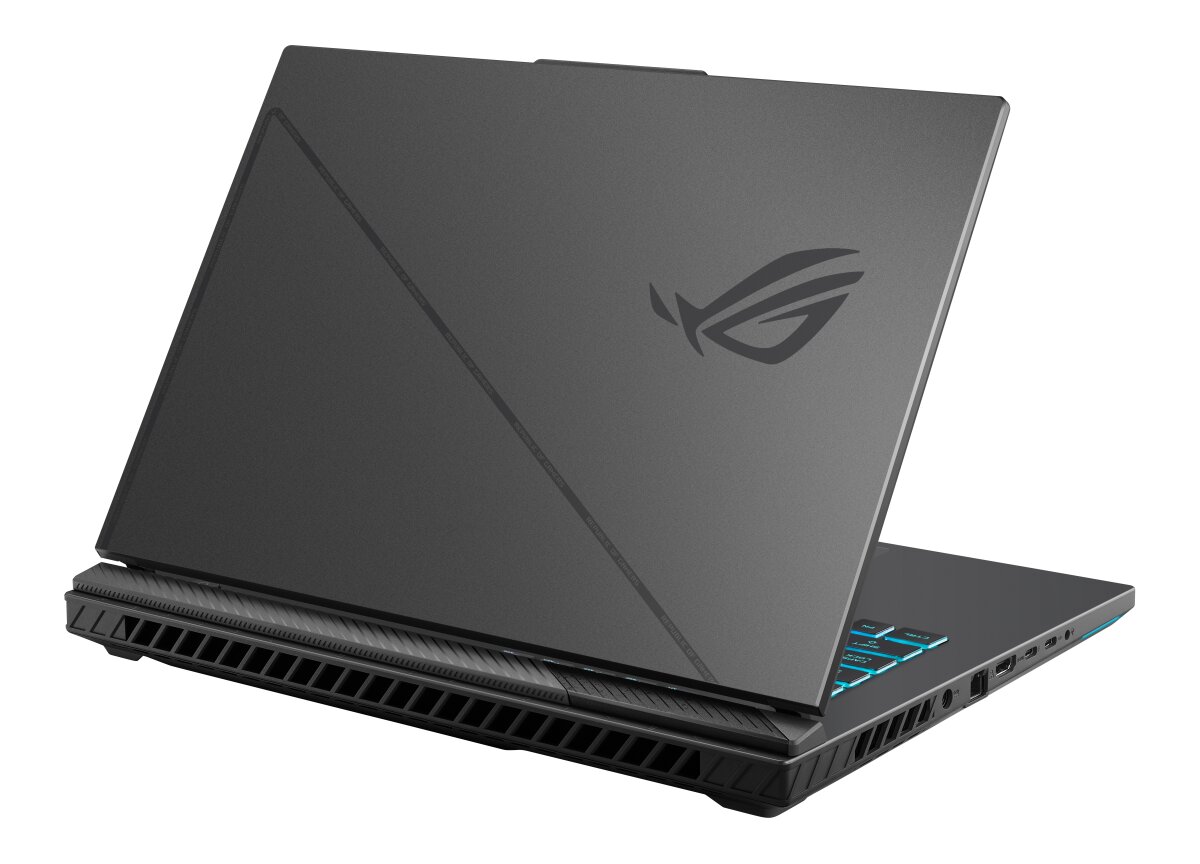
The ASUS ROG Strix G16 G614JIR-N3080W-GAMING gaming laptop features DDR5-SDRAM memory upgradeable through two SO-DIMM slots. The system supports maximum RAM capacity of 32 GB with compatible DDR5 modules operating at 5600 MHz frequency. Upgrade specifications include SO-DIMM form factor memory modules for enhanced performance configurations. The dual-slot design enables flexible memory expansion options within the maximum 32 GB capacity limitation.
Memory Upgrade Specifications
| Specification | Value |
|---|---|
| Memory slots | 2x SO-DIMM |
| Form factor | SO-DIMM |
| Memory type | DDR5-SDRAM |
| Frequency | 5600 MHz |
| Maximum RAM | 32 GB |
| Voltage | 1.1V |
| Number of pins | 262-pin |
| Interface | PC5 |
| PC Speed Rating | PC5-5600 (PC5-44800) |
| Bandwidth | 44.8 GB/s |
Additional Notes
- The ASUS ROG G614JIR-N3080W-GAMING imposes a 16 GB per slot ceiling, preventing installation of emerging 24 GB or 32 GB single modules despite SO-DIMM socket compatibility.
- DDR5-5600 modules running at JEDEC standard timings will auto-configure without BIOS intervention, while XMP-enabled kits may require manual profile activation or revert to lower base frequencies.
- Mixing modules with asymmetric capacities creates flex mode operation where only matching portions run in dual-channel, leaving excess capacity in degraded single-channel mode.
- Dual-rank 16 GB modules deliver 10-15% higher bandwidth in memory-intensive workloads compared to single-rank equivalents at identical frequencies, though motherboard trace length may limit stability above 5600 MHz with populated dual slots.
- Soldered memory configurations in this chassis generation do not exist, enabling warranty-preserved user upgrades without factory seal violations or thermal pad disturbances.
- DDR5 voltage regulation occurs on-module through PMIC chips rather than motherboard delivery, causing incompatible DDR4 SO-DIMMs to physically insert but fail POST with diagnostic beep codes.
- Thermal throttling risk increases with higher density modules as SO-DIMM installations lack active airflow paths found in desktop DIMM orientations, particularly affecting sustained write operations beyond 32 GB/s.
- The 5600 MHz native frequency represents a locked specification where faster 6000 MHz or 6400 MHz modules will downclock unless CPU memory controller and motherboard firmware explicitly support overclocking profiles.
- Populating both slots distributes electrical load symmetrically across the memory controller, reducing signal integrity degradation compared to single-module asymmetric configurations at equivalent total capacity.
- ECC SO-DIMM modules designed for workstation platforms will physically install but remain non-functional as consumer mobile chipsets lack error correction logic pathways required for syndrome validation.