ASUS ROG G614JIR-N4021W RAM upgrade specifications


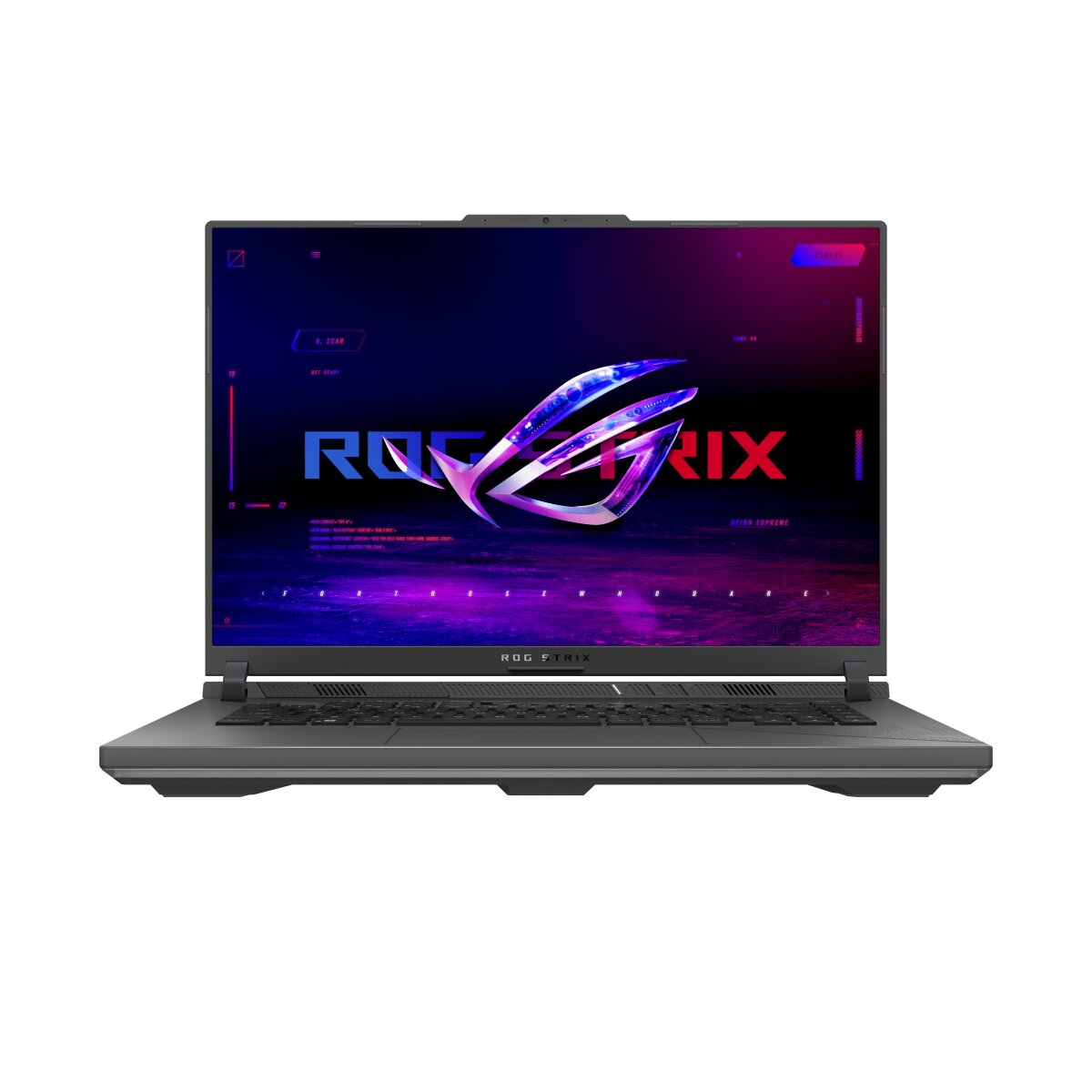


The ASUS ROG Strix G16 G614JIR-N4021W features DDR5-SDRAM memory specifications with two SO-DIMM upgrade slots. Maximum RAM capacity reaches 32 GB total. Memory operates at 5600 MHz frequency. Compatible upgrades utilize SO-DIMM form factor modules. The laptop supports DDR5 memory technology for enhanced performance. Specifications indicate dual memory slots available for expansion and replacement.
Memory Upgrade Specifications
| Specification | Value |
|---|---|
| Memory slots | 2x SO-DIMM |
| Form factor | SO-DIMM |
| Memory type | DDR5-SDRAM |
| Frequency | 5600 MHz |
| Maximum RAM | 32 GB |
| Voltage | 1.1V |
| Number of pins | 262-pin |
| Interface | PC5 |
| PC Speed Rating | PC5-5600 (PC5-44800) |
| Bandwidth | 44.8 GB/s |
Additional Notes
- The 32 GB ceiling indicates a chipset or BIOS limitation rather than physical slot capacity, as individual DDR5 SO-DIMM modules commonly reach 48 GB in dense configurations.
- DDR5-5600 operation requires JEDEC-compliant modules or XMP/EXPO profiles programmed for that frequency bin, as base DDR5 specification starts at 4800 MHz.
- Mixing modules with different die revisions (A-die, B-die, M-die) may force the memory controller to default to JEDEC failsafe timings instead of rated XMP speeds.
- SO-DIMM installation in this ASUS ROG G614JIR-N4021W typically requires bottom panel removal, which may void seals placed over specific screws by the manufacturer.
- Dual-channel bandwidth reaches 89.6 GB/s theoretical maximum at 5600 MHz, but sustained write operations often achieve 70-75% of peak due to controller overhead and thermal throttling.
- Non-ECC unbuffered modules are mandatory for consumer laptop platforms, as registered or ECC variants will trigger POST failures or refuse to train.
- Operating voltage for DDR5 is fixed at 1.1V (VDD) and 1.8V (VDDQ) by on-module PMIC, eliminating manual voltage adjustments that were possible with DDR4 architectures.
- Asymmetric configurations such as 8 GB plus 24 GB will maintain dual-channel mode only for the matched 16 GB portion, reverting the excess capacity to slower single-channel access.
- Thermal pads between memory modules and the chassis underside provide primary cooling, making aftermarket module height critical to maintain contact pressure.
- CAS latency increases proportionally with frequency, so DDR5-5600 CL46 delivers similar true latency (16.4 ns) as DDR5-4800 CL40, negating some perceived speed advantages.