ASUS ROG G614JIR-N3088-Gaming RAM upgrade specifications


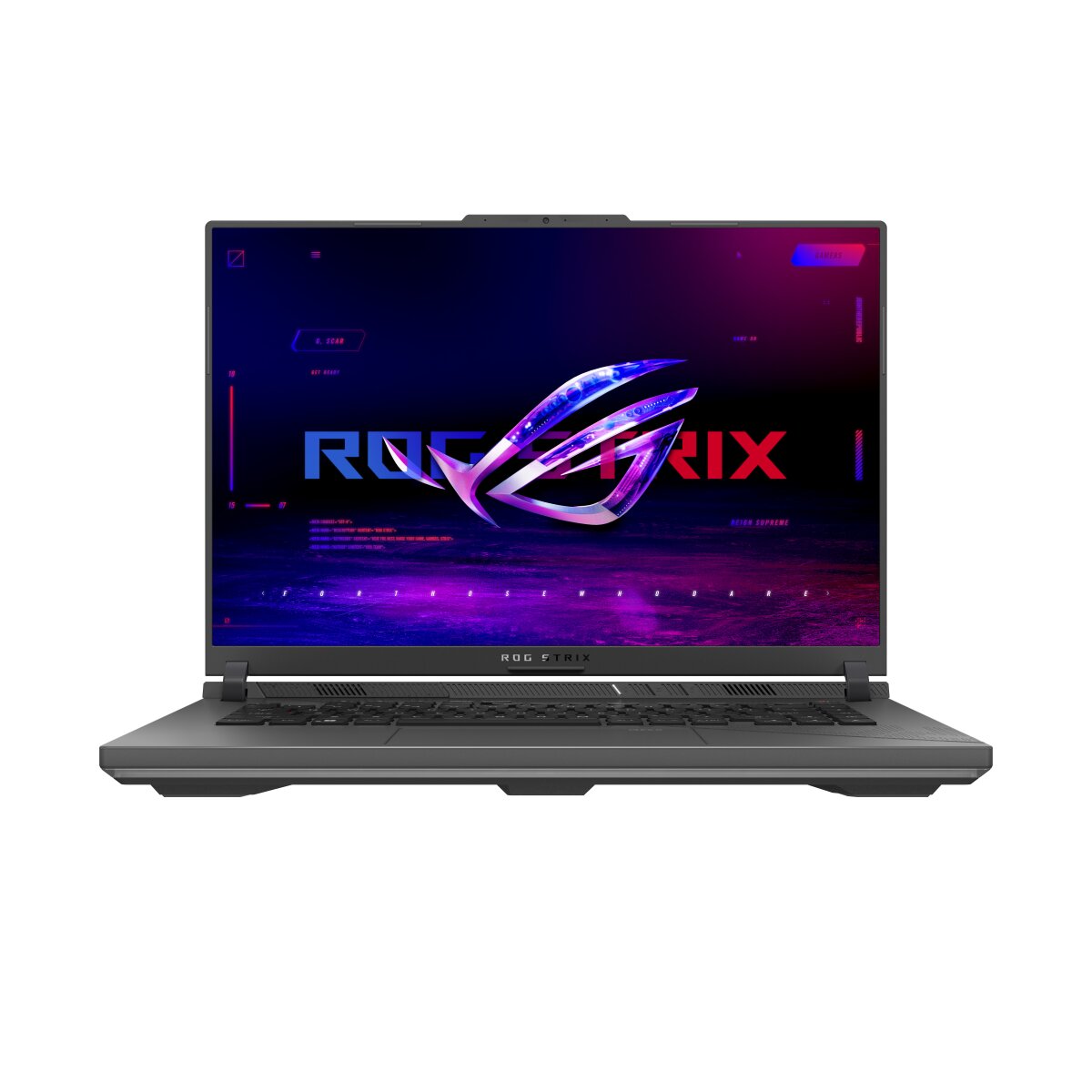
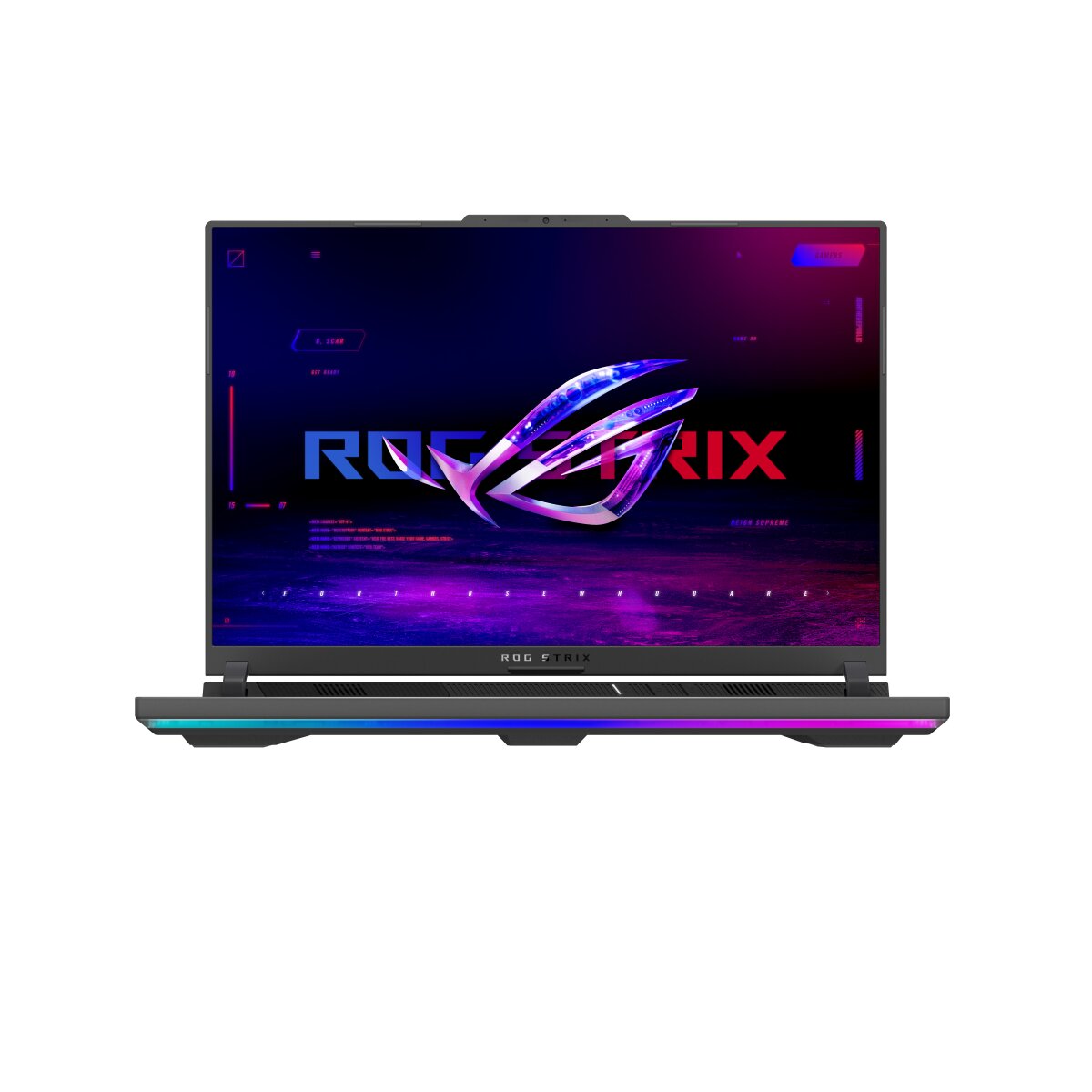

ASUS ROG Strix G16 model G614JIR-N3088-Gaming features DDR5-SDRAM memory upgrade specifications. The laptop contains two SO-DIMM slots supporting maximum RAM capacity of 32 GB. Compatible memory operates at 5600 MHz frequency. Specifications indicate support for SO-DIMM form factor modules. The upgrade configuration allows for dual-channel memory architecture. Maximum expandable capacity reaches 32 GB total RAM through compatible DDR5-SDRAM modules. The gaming laptop's memory slots accommodate standard SO-DIMM memory upgrades meeting DDR5 specifications at rated frequencies.
Memory Upgrade Specifications
| Specification | Value |
|---|---|
| Memory slots | 2x SO-DIMM |
| Form factor | SO-DIMM |
| Memory type | DDR5-SDRAM |
| Frequency | 5600 MHz |
| Maximum RAM | 32 GB |
| Voltage | 1.1V |
| Number of pins | 262-pin |
| Interface | PC5 |
| PC Speed Rating | PC5-5600 (PC5-44800) |
| Bandwidth | 44.8 GB/s |
Additional Notes
- The 32 GB ceiling stems from chipset memory controller limitations rather than physical slot restrictions, preventing future expansion beyond this threshold even with higher-density modules.
- DDR5 operates on a dual-channel architecture per module, meaning this ASUS ROG G614JIR-N3088-Gaming configuration delivers quad-channel equivalent bandwidth despite having only 2 physical slots.
- Mixing modules with different latencies will force all installed memory to operate at the slowest timing specifications, potentially degrading performance below the 5600 MHz capability.
- SO-DIMM form factor requires low-profile heat spreaders under 32mm height to avoid interference with the chassis thermal management system and internal frame components.
- Non-binary capacity configurations such as 12 GB or 24 GB total will disable interleaving optimizations, reducing effective memory bandwidth by approximately 15-20% compared to matched pair installations.
- DDR5's on-die ECC operates independently of system-level error correction, providing background data integrity without BIOS visibility or configuration options.
- Voltage regulation occurs on the memory module itself rather than the motherboard, eliminating manual voltage adjustment possibilities through BIOS or software utilities.
- Third-party modules must support JEDEC standard profiles at 5600 MHz, as proprietary XMP 3.0 or EXPO overclocking profiles may not initialize correctly without manufacturer validation.
- Accessing the memory compartment typically requires complete bottom panel removal, voiding certain regional warranty coverage unless performed by authorized service centers.
- Temperature throttling begins around 85°C junction temperature, making modules with integrated thermal sensors preferable for sustained workload monitoring.
- Single-rank versus dual-rank module topology affects performance differently across workloads, with dual-rank configurations offering 5-10% gains in memory-intensive applications despite identical capacity and frequency ratings.