ASUS ROG G614JIR-XS96 RAM upgrade specifications
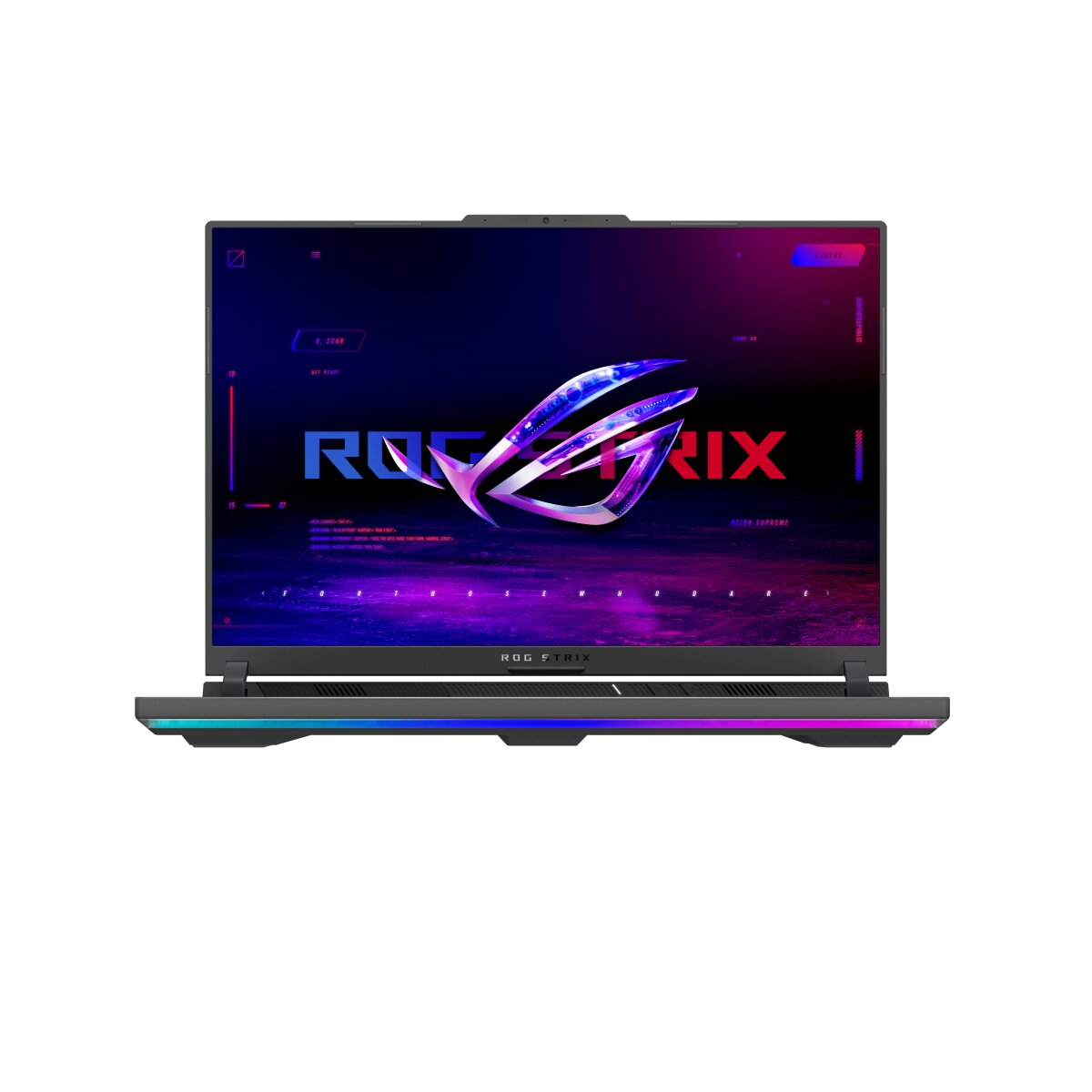
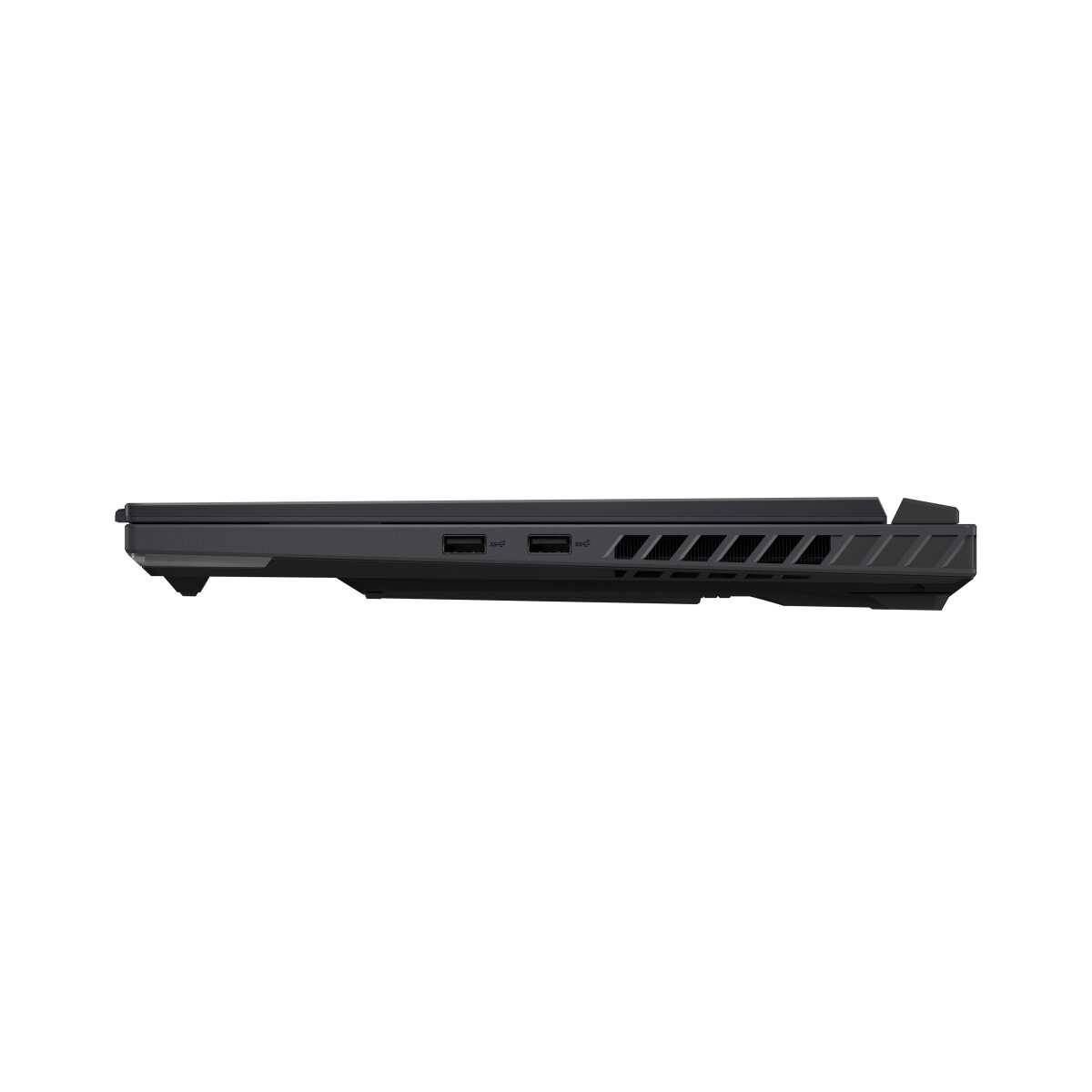
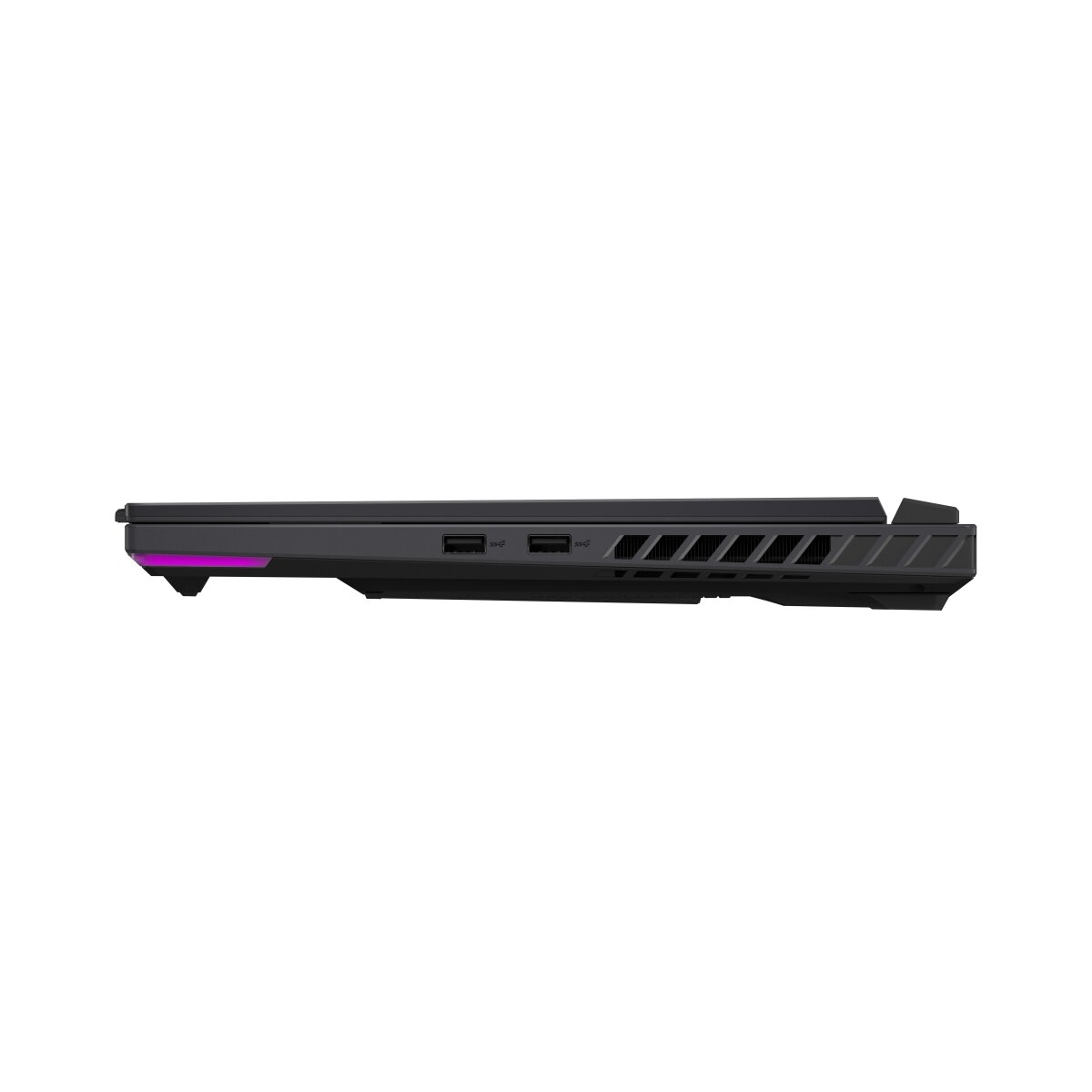
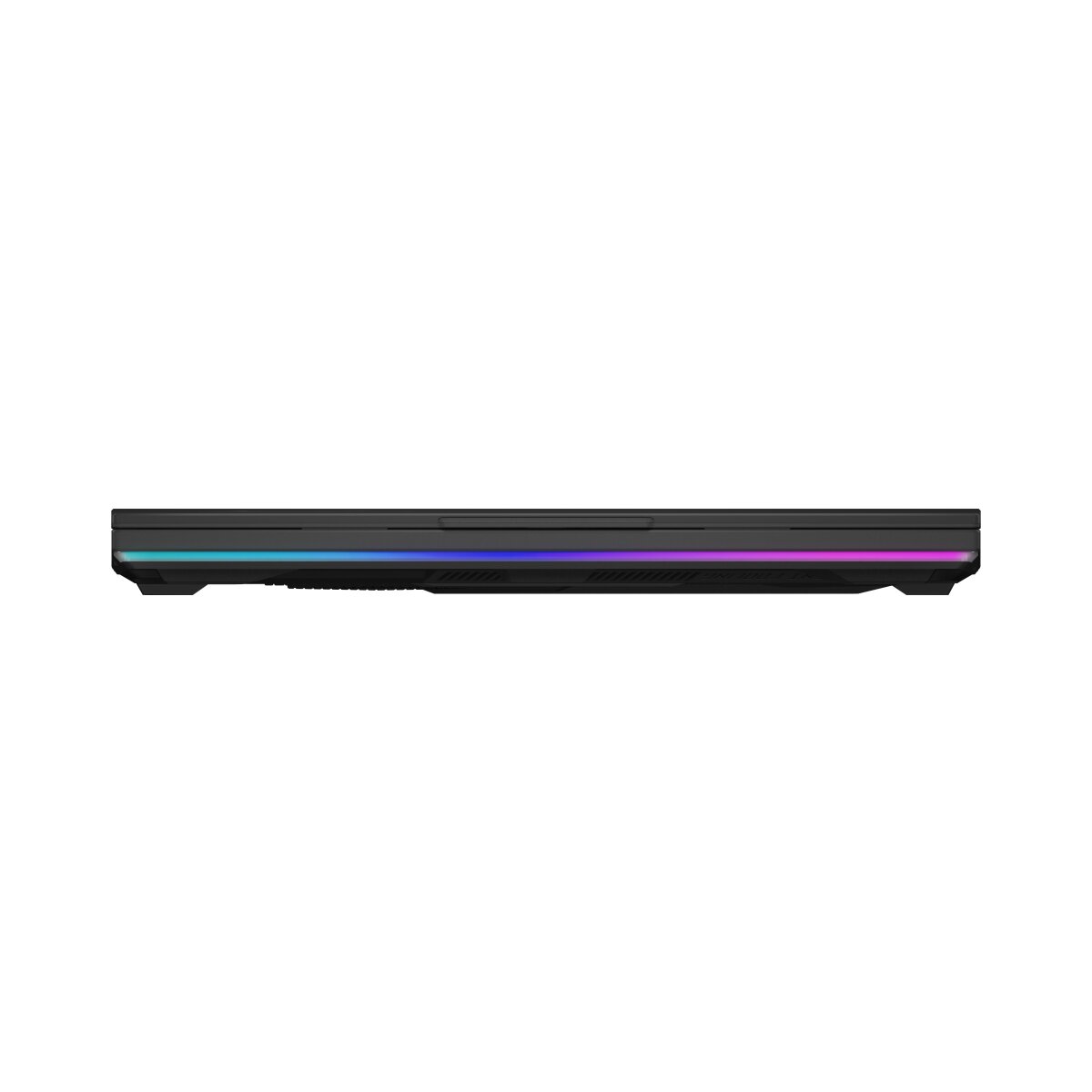
ASUS ROG Strix G16 G614JIR-XS96 laptop features DDR5-SDRAM memory upgrade specifications. The system contains two SO-DIMM slots supporting maximum RAM capacity of 32 GB. Compatible memory modules operate at 5600 MHz frequency. Upgrade configurations allow installation of matched DDR5 pairs within the two available slots to achieve the maximum 32 GB capacity. Standard SO-DIMM form factor ensures compatibility with specifications for the G614JIR-XS96 model.
Memory Upgrade Specifications
| Specification | Value |
|---|---|
| Memory slots | 2x SO-DIMM |
| Form factor | SO-DIMM |
| Memory type | DDR5-SDRAM |
| Frequency | 5600 MHz |
| Maximum RAM | 32 GB |
| Voltage | 1.1V |
| Number of pins | 262-pin |
| Interface | PC5 |
| PC Speed Rating | PC5-5600 (PC5-44800) |
| Bandwidth | 44.8 GB/s |
Additional Notes
- The DDR5-SDRAM architecture requires motherboard firmware that supports this generation, making DDR4 modules physically and electrically incompatible with the ASUS ROG G614JIR-XS96.
- The 32 GB ceiling reflects chipset memory controller limitations rather than physical slot capacity, preventing recognition of higher-density modules even if installed.
- Dual SO-DIMM configuration enables dual-channel operation when identical capacity modules occupy both slots, doubling theoretical bandwidth compared to single-module configurations.
- The 5600 MHz frequency represents effective transfer rate through double data rate technology, with actual clock speed at 2800 MHz.
- Mixing modules with different speeds forces the memory controller to downclock all modules to the slowest installed frequency, potentially negating performance benefits of higher-rated modules.
- SO-DIMM form factor measures 67.6 mm in length compared to 133.35 mm desktop DIMM modules, making standard desktop memory physically incompatible regardless of electrical specifications.
- Populating both slots with 16 GB modules reaches the maximum supported capacity, while asymmetric configurations like 8 GB plus 16 GB may disable dual-channel mode or operate in flex mode with reduced performance.
- DDR5 operates at lower 1.1V compared to DDR4's 1.2V, reducing power consumption but requiring voltage regulator modules on each SO-DIMM rather than motherboard-based regulation.
- The memory controller's 5600 MHz native support eliminates need for XMP/EXPO overclocking profiles, though modules rated higher will downclock to this specification.
- Upgrading requires bottom panel removal to access memory compartment, typically voiding regional warranty seals depending on jurisdiction and ASUS service policies.
- ECC SO-DIMM modules remain physically compatible but lack chipset-level error correction support in consumer platforms, functioning as standard non-ECC memory with unused correction circuitry.
- The memory subsystem shares bandwidth with integrated graphics when discrete GPU switches off during light workloads, making capacity and speed relevant to basic display tasks beyond dedicated graphics performance.