ASUS ROG G614JV-N3110W-GAMING RAM upgrade specifications



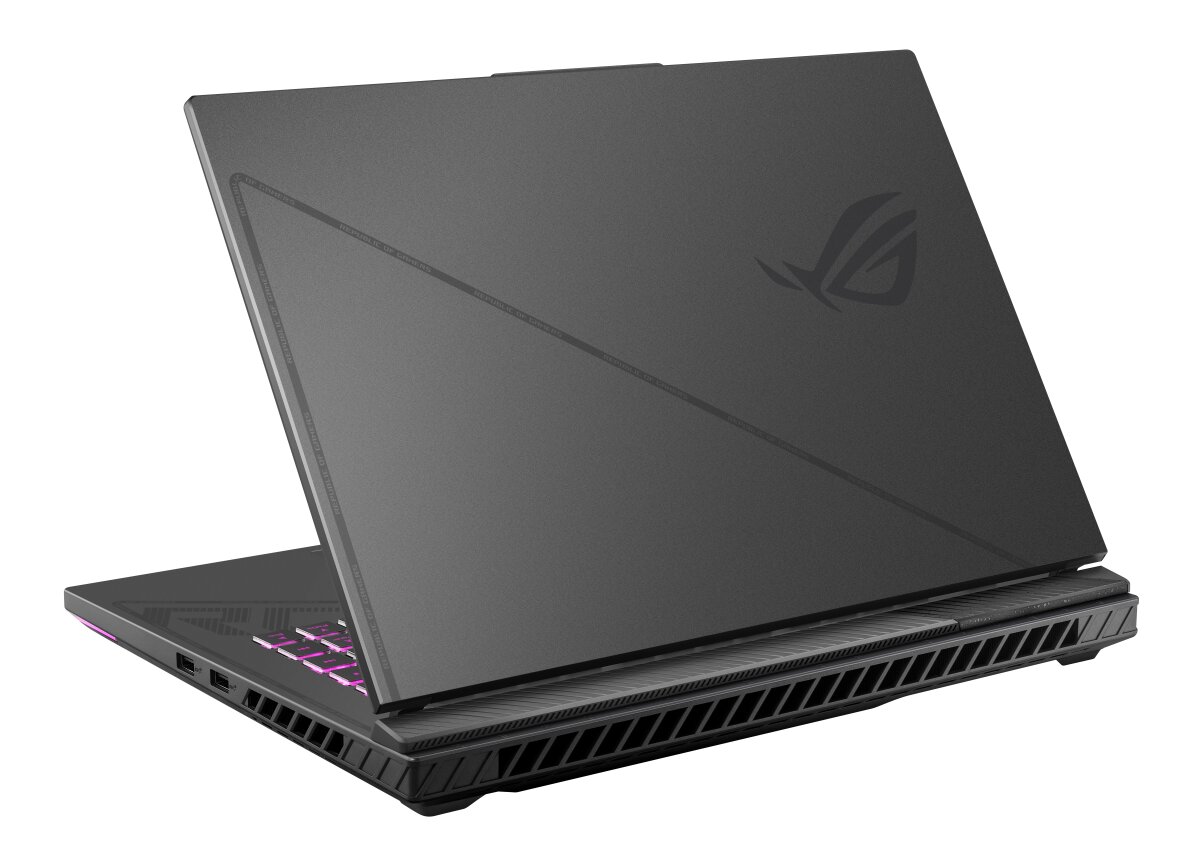
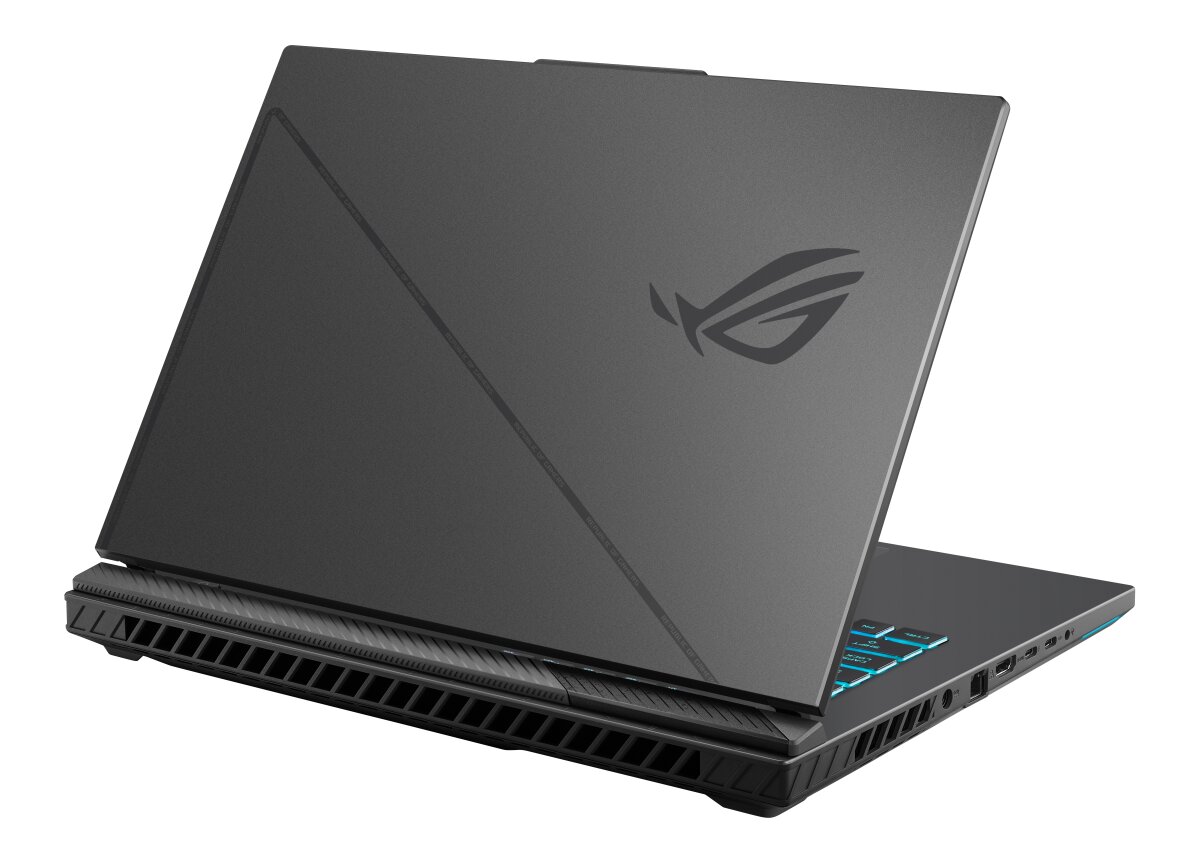
ASUS ROG Strix G16 G614JV-N3110W-GAMING laptop memory upgrade specifications include DDR5-SDRAM compatible modules. The system features two SO-DIMM slots supporting maximum RAM capacity of 32 GB total. Compatible memory operates at 4800 MHz frequency. Upgrade specifications indicate SO-DIMM form factor modules are required for this gaming laptop model. Maximum expandable memory capacity reaches 32 GB when both slots are populated with compatible DDR5-SDRAM modules at specified frequency.
Memory Upgrade Specifications
| Specification | Value |
|---|---|
| Memory slots | 2x SO-DIMM |
| Form factor | SO-DIMM |
| Memory type | DDR5-SDRAM |
| Frequency | 4800 MHz |
| Maximum RAM | 32 GB |
| Voltage | 1.1V |
| Number of pins | 262-pin |
| Interface | PC5 |
| PC Speed Rating | PC5-4800 (PC5-38400) |
| Bandwidth | 38.4 GB/s |
Additional Notes
- The ASUS ROG G614JV-N3110W-GAMING accepts only DDR5 SO-DIMM modules, making DDR4 memory physically and electronically incompatible with the motherboard architecture.
- The 32 GB maximum capacity constraint likely stems from chipset or BIOS limitations rather than physical slot restrictions, preventing recognition of higher-density modules.
- DDR5-4800 represents the JEDEC baseline specification, indicating the system may support faster XMP/EXPO profiles if the memory controller and thermal design permit overclocking.
- Dual-channel configuration requires matched module pairs in both SO-DIMM slots to achieve maximum memory bandwidth of 76.8 GB/s theoretical throughput.
- Mismatched module speeds will force the memory controller to operate all modules at the lowest common frequency, creating performance degradation.
- SO-DIMM form factor limits aftermarket cooling solutions, making passive heat spreader designs the only viable thermal management option for sustained workloads.
- Voltage compatibility becomes critical as DDR5 operates at 1.1V standard, while attempting to install non-compliant modules may trigger POST failures or BIOS warnings.
- Memory upgrade procedures on ROG gaming laptops typically require complete bottom panel removal, potentially affecting warranty status if security seals are present.
- The 2-slot configuration means capacity upgrades necessitate complete module replacement rather than incremental additions, requiring disposal or repurposing of factory-installed memory.
- DDR5's on-die ECC operates independently of system-level error correction, providing automatic bit error detection unavailable in previous DDR generations without performance penalties.