ASUS ROG G614JVR-ES96 RAM upgrade specifications
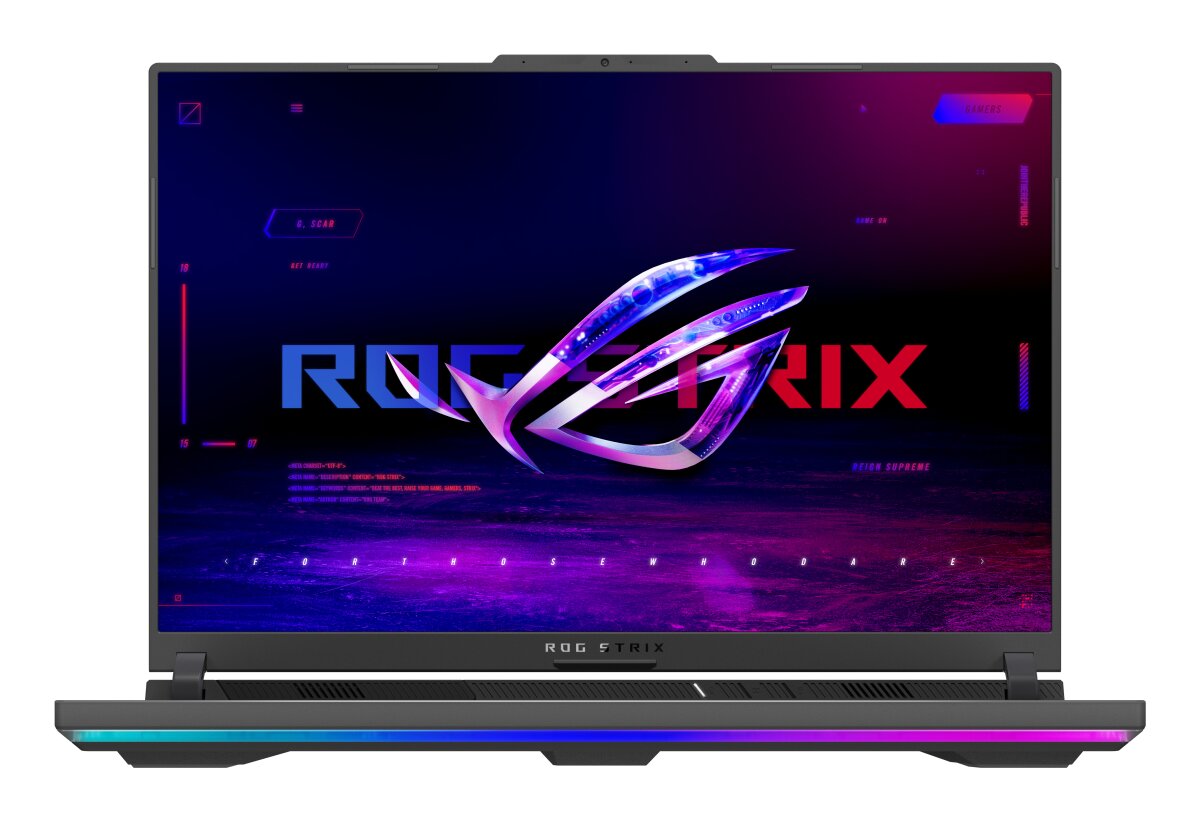

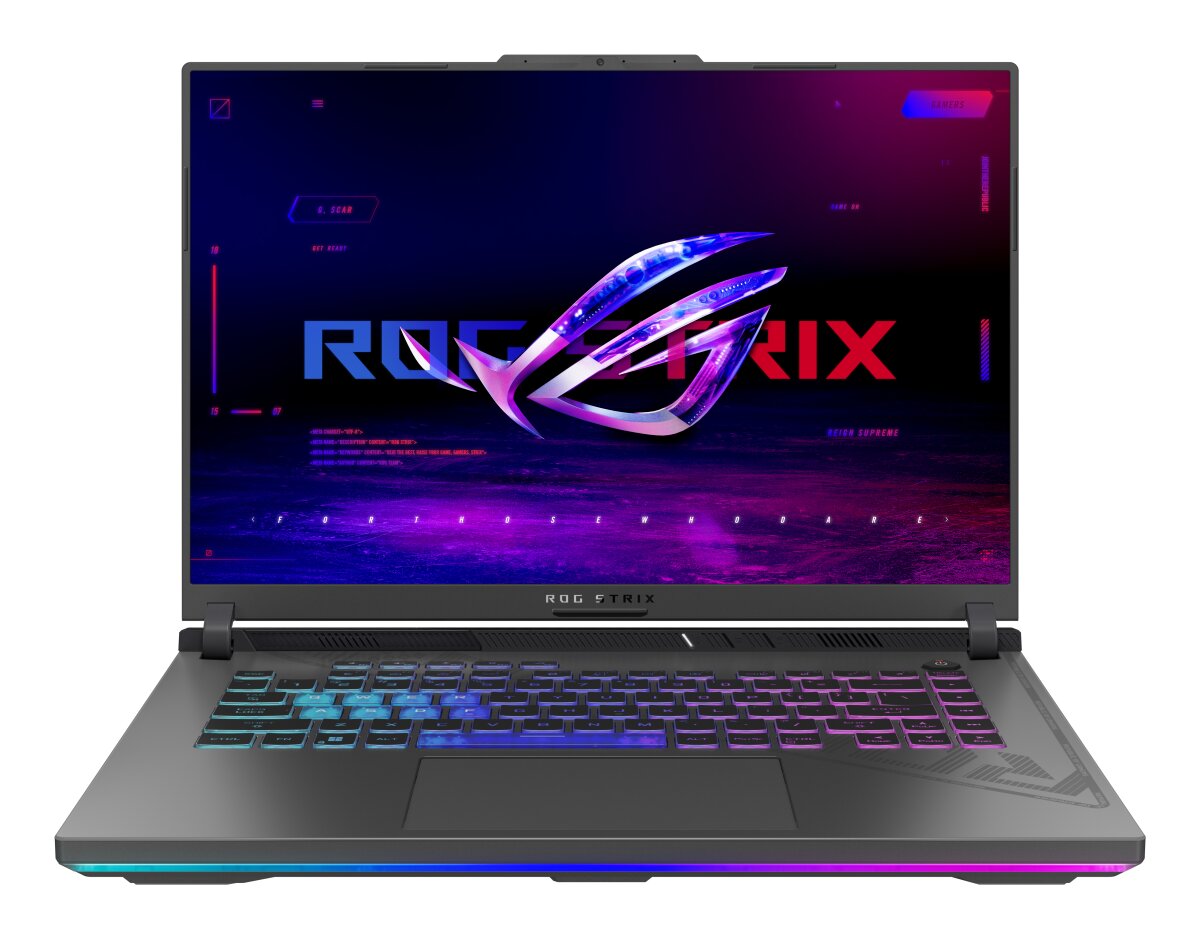

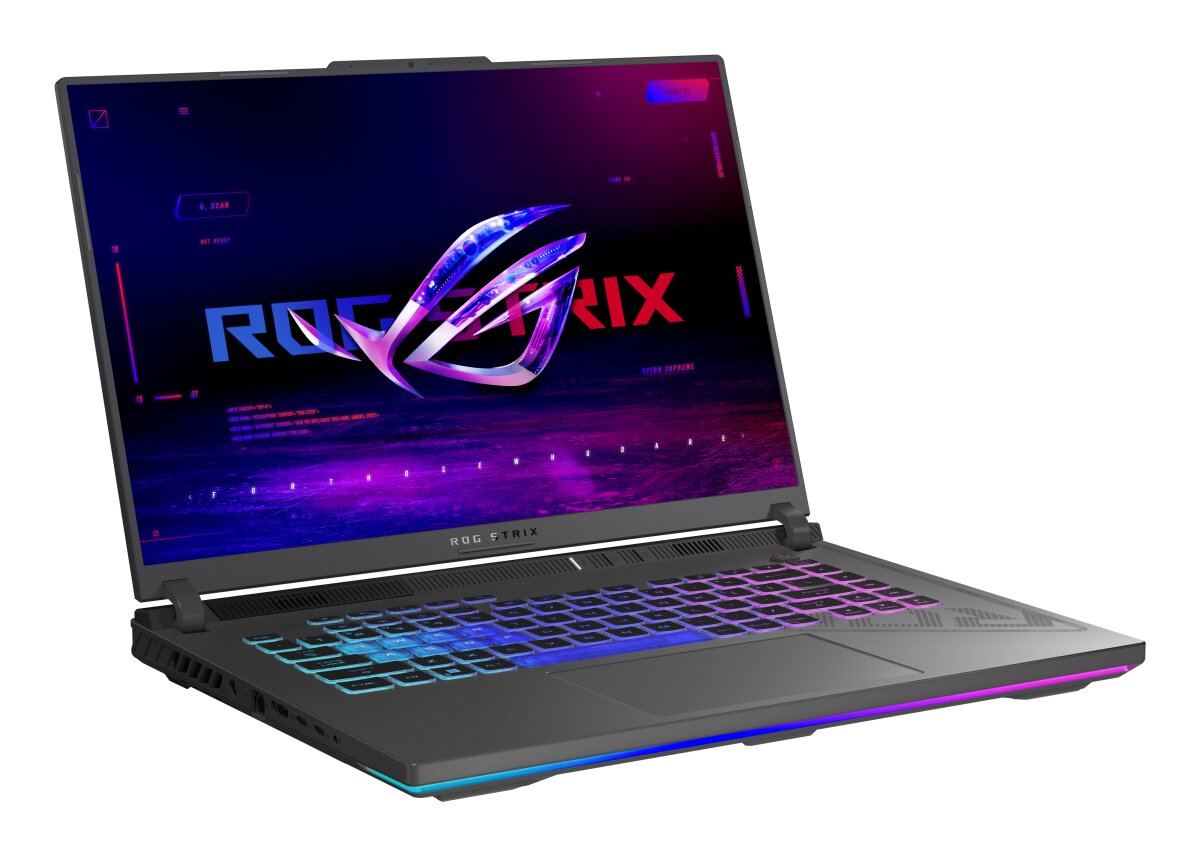
ASUS ROG Strix G16 G614JVR-ES96 laptop contains two SO-DIMM slots for DDR5-SDRAM memory upgrade. Maximum RAM capacity reaches 32 GB total. Compatible memory modules operate at 5600 MHz frequency. Specifications support DDR5 technology with standard SO-DIMM form factor. RAM upgrade slots accommodate compatible DDR5 modules for memory expansion on the G614JVR-ES96 gaming laptop model.
Memory Upgrade Specifications
| Specification | Value |
|---|---|
| Memory slots | 2x SO-DIMM |
| Form factor | SO-DIMM |
| Memory type | DDR5-SDRAM |
| Frequency | 5600 MHz |
| Maximum RAM | 32 GB |
| Voltage | 1.1V |
| Number of pins | 262-pin |
| Interface | PC5 |
| PC Speed Rating | PC5-5600 (PC5-44800) |
| Bandwidth | 44.8 GB/s |
Additional Notes
- The ASUS ROG G614JVR-ES96 features DDR5 technology, which operates at higher baseline voltages (1.1V) compared to DDR4 (1.2V), reducing thermal output during extended gaming sessions.
- With only 2 SO-DIMM slots and a 32 GB ceiling, reaching maximum capacity requires replacing both modules rather than adding to existing memory, potentially discarding functional DIMMs.
- The 5600 MHz specification represents the supported JEDEC standard speed, though the chipset may support higher XMP/EXPO profiles if the motherboard firmware permits overclocking.
- DDR5 SO-DIMM modules incorporate onboard power management ICs (PMIC), making them physically incompatible with DDR4 slots despite identical 262-pin configurations.
- Dual-channel operation requires matched pairs in both slots, meaning asymmetric configurations (8 GB + 16 GB) will not utilize full bandwidth potential.
- The SO-DIMM form factor limits upgrade options compared to desktop UDIMM alternatives, with fewer manufacturers producing high-capacity modules above 32 GB per stick.
- Installing non-native 5600 MHz modules may trigger automatic downclocking to JEDEC fallback speeds (4800 MHz) if the SPD profile is incompatible with the memory controller.
- Opening the chassis to access memory slots on ROG models typically does not void warranty under most regional consumer protection laws, provided no physical damage occurs during installation.
- DDR5's increased prefetch buffer (16n vs DDR4's 8n) delivers higher effective bandwidth at equivalent clock speeds, benefiting workloads with sequential memory access patterns.
- The 32 GB limitation may constrain virtualization environments or content creation workflows that benefit from RAM disk caching beyond this threshold.
- Mixed-brand memory configurations in dual-channel setups can cause stability issues due to differing IC dies and PCB trace layouts, even when speed ratings match.
- Higher density modules (2x16 GB vs 4x8 GB) reduce electrical load on the memory controller, potentially improving signal integrity and overclocking headroom.