ASUS ROG G614JVR-ES94 RAM upgrade specifications
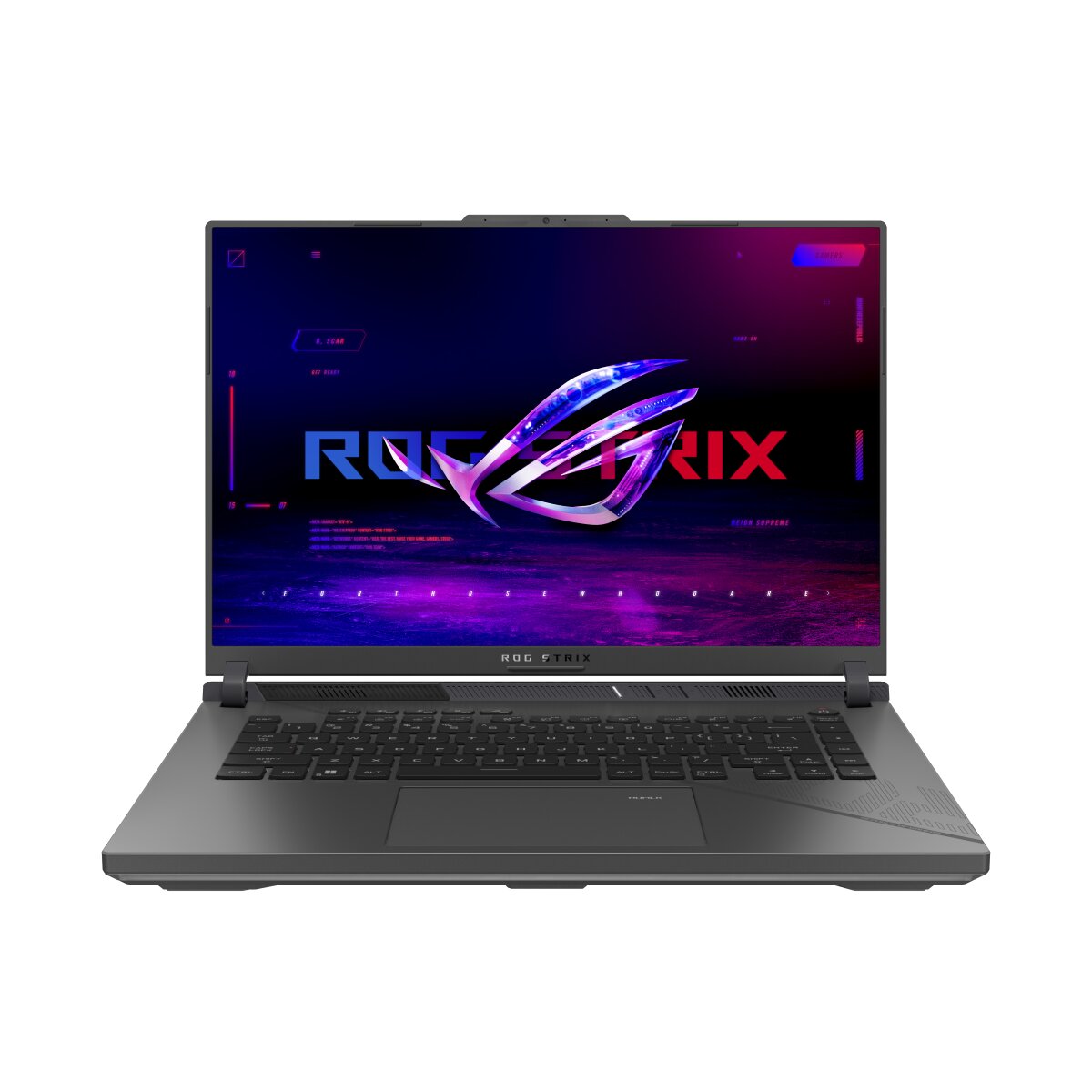
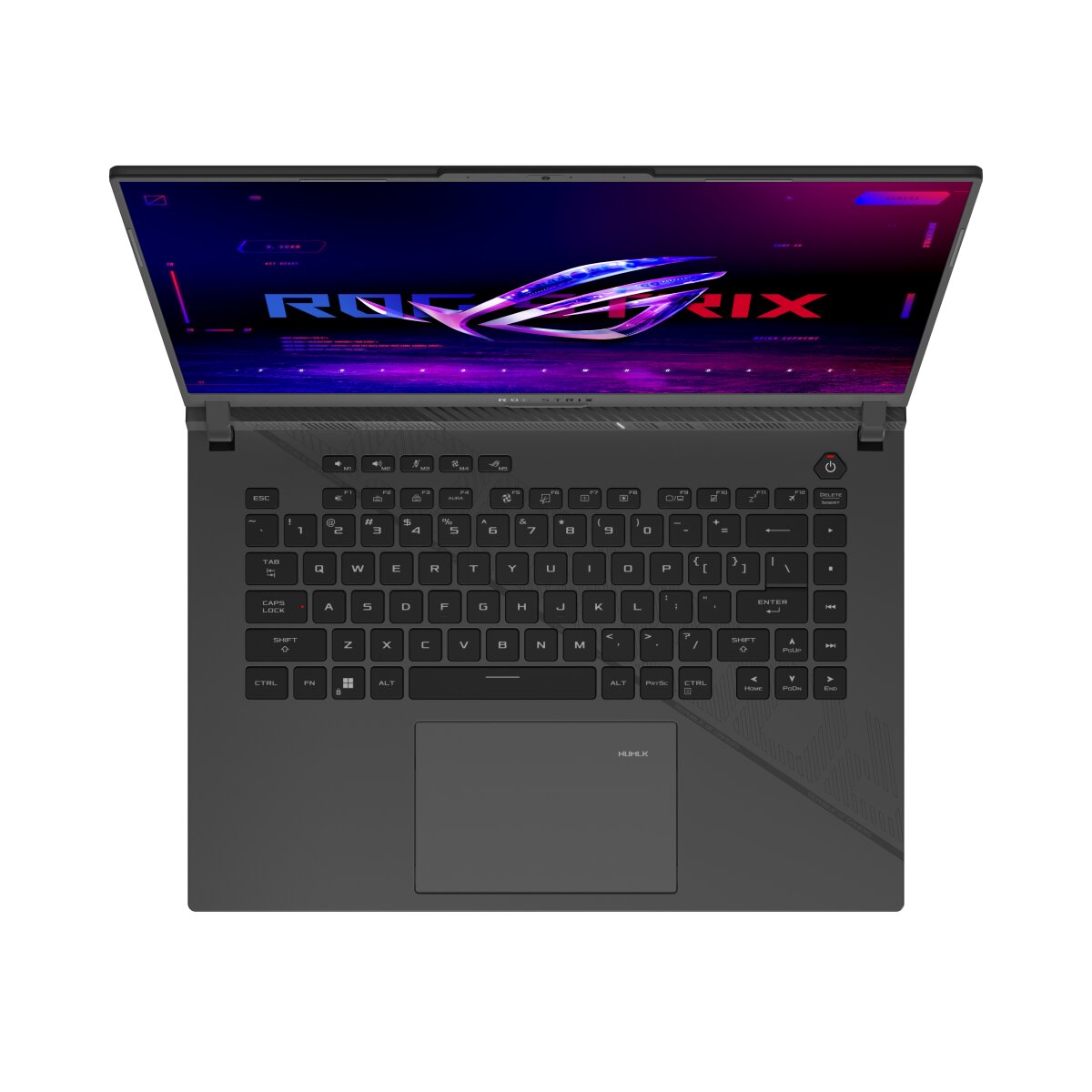
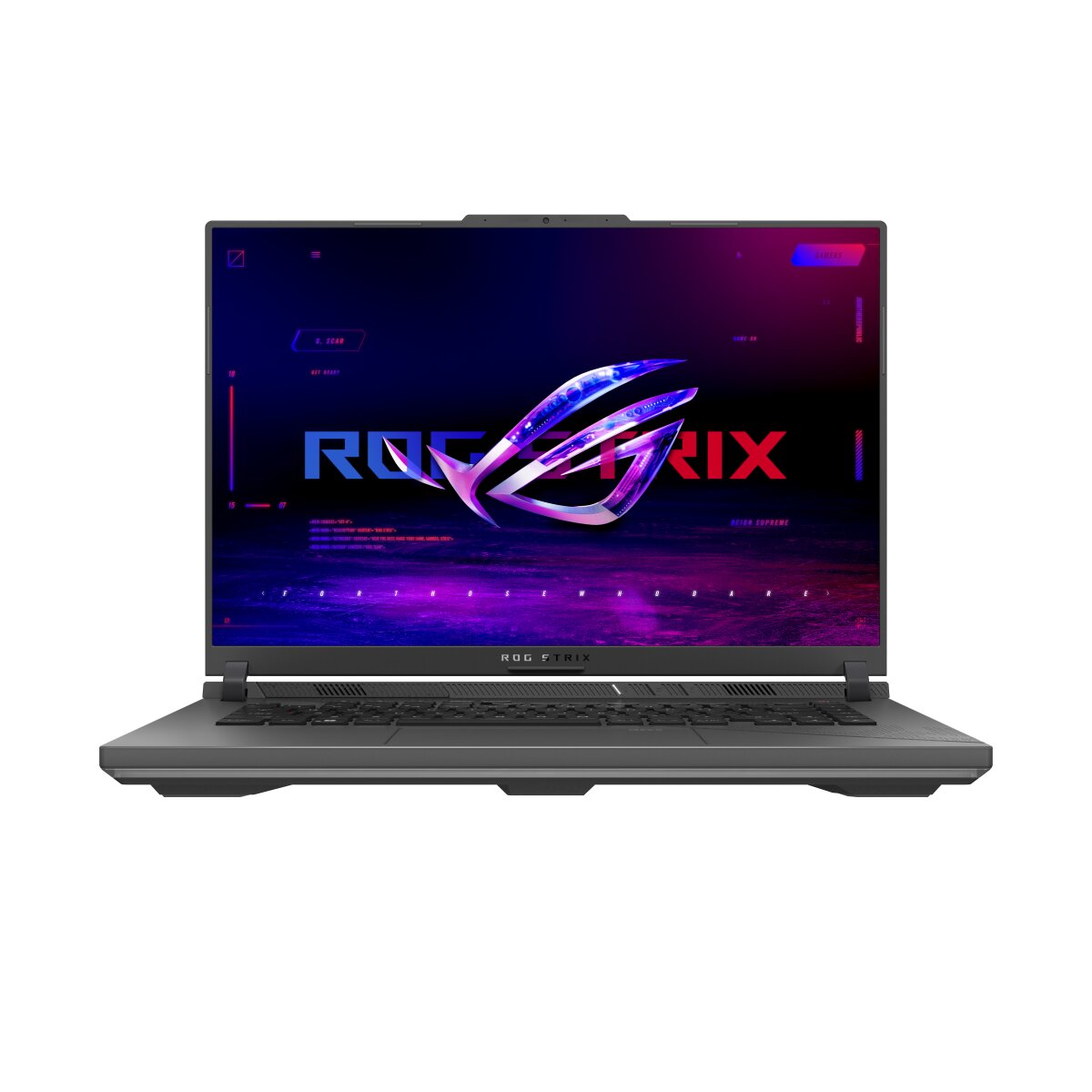
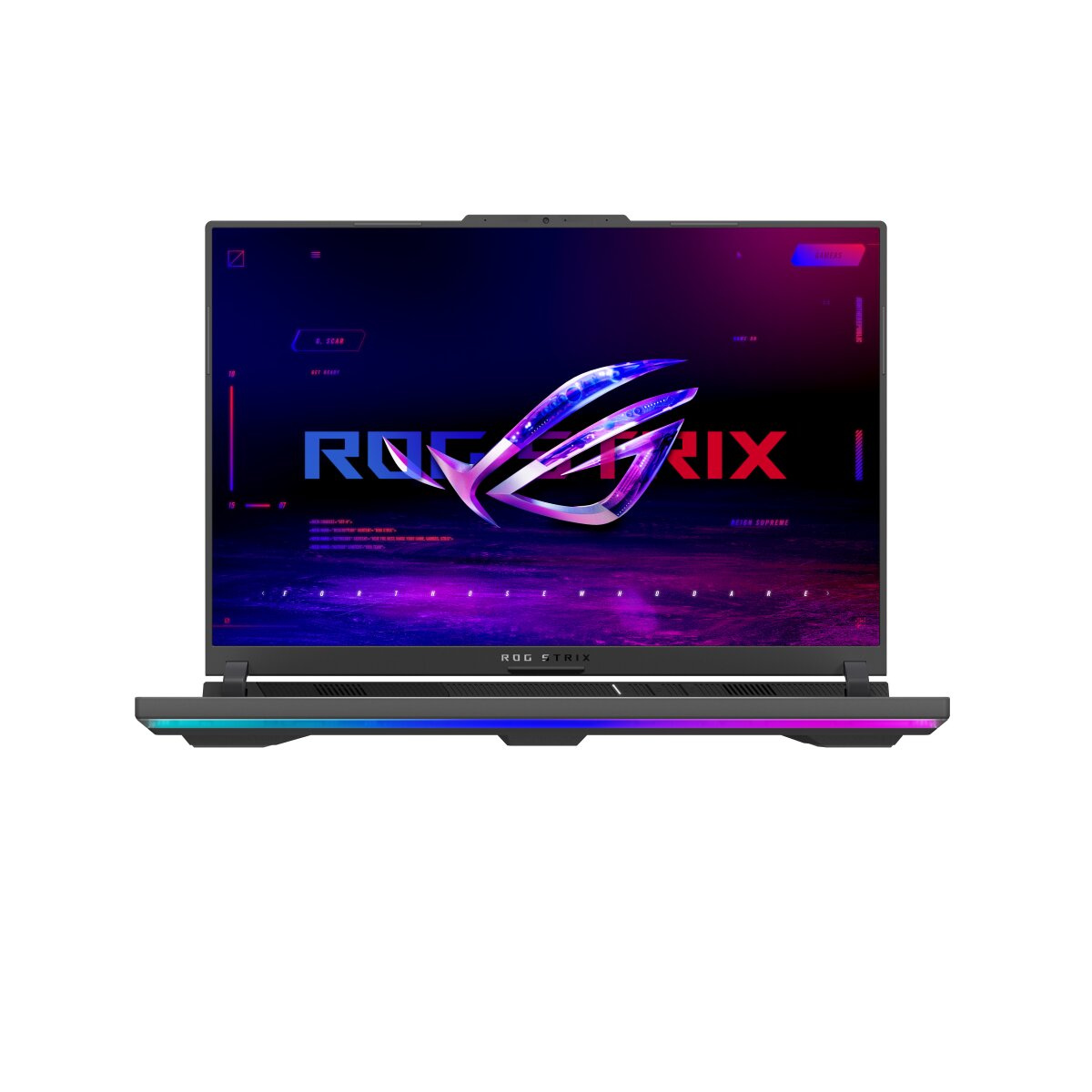
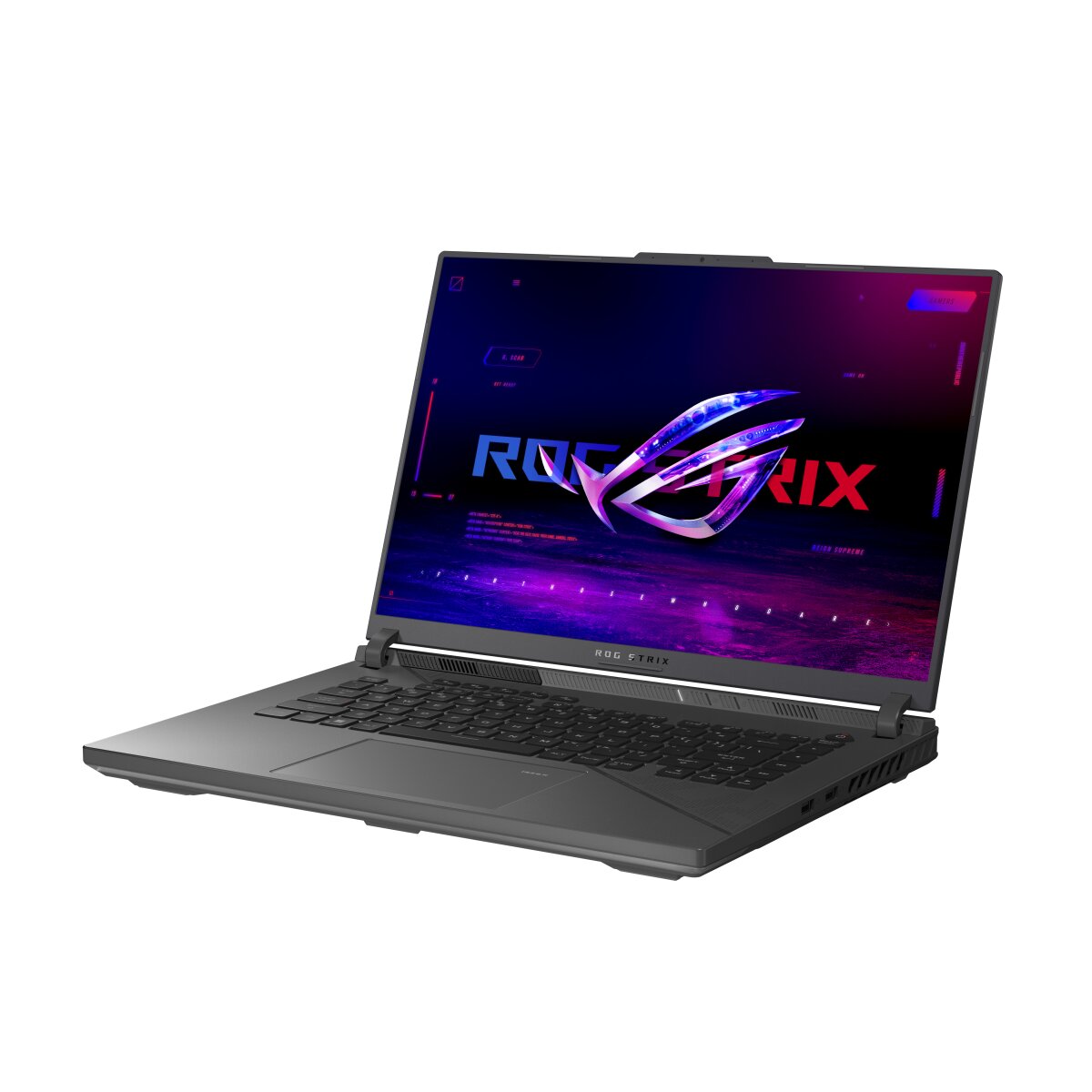
ASUS ROG Strix G16 G614JVR-ES94 laptop memory upgrade specifications include DDR5-SDRAM technology with 2x SO-DIMM slots supporting maximum RAM capacity of 32 GB. Compatible upgrades operate at 5600 MHz frequency with SO-DIMM form factor. Specifications enable memory expansion for enhanced multitasking and gaming performance on this gaming laptop model.
Memory Upgrade Specifications
| Specification | Value |
|---|---|
| Memory slots | 2x SO-DIMM |
| Form factor | SO-DIMM |
| Memory type | DDR5-SDRAM |
| Frequency | 5600 MHz |
| Maximum RAM | 32 GB |
| Voltage | 1.1V |
| Number of pins | 262-pin |
| Interface | PC5 |
| PC Speed Rating | PC5-5600 (PC5-44800) |
| Bandwidth | 44.8 GB/s |
Additional Notes
- The 32 GB ceiling creates a strategic decision point where users must choose between 2x16 GB dual-channel configuration or accept single-channel performance penalties with asymmetric configurations.
- DDR5-5600 operation requires voltage regulation compliance with JEDEC standards, as non-compliant modules may throttle to DDR5-4800 fallback speeds or fail POST entirely.
- SO-DIMM DDR5 slots physically reject standard DIMM modules through notch positioning, eliminating desktop memory cross-compatibility despite identical DDR5 specifications.
- Dual-slot topology on the ASUS ROG G614JVR-ES94 eliminates quad-channel memory architectures, capping theoretical bandwidth at approximately 89.6 GB/s under ideal dual-channel conditions.
- Thermal constraints in laptop chassis designs may cause DDR5-5600 modules to generate sufficient heat that impacts adjacent component temperatures, particularly M.2 SSDs sharing thermal zones.
- Memory controller validation typically certifies specific capacity-per-slot combinations, meaning 2x16 GB configurations receive more extensive factory testing than maximum-density single-module scenarios.
- Interleaving efficiency degrades when mixing modules of different densities or timing specifications, potentially negating cost savings from retaining factory-installed memory during partial upgrades.
- SO-DIMM installation in confined laptop environments requires torque awareness, as overtightening retention clips can crack PCB substrate layers without visible external damage.
- XMP/EXPO profile compatibility depends on BIOS vendor implementation, where advertised speeds above 5600 MHz may require manual timing adjustments that void certain warranty protections.
- The 5600 MHz native frequency operates beyond DDR5's JEDEC baseline of 4800 MHz, indicating reliance on motherboard trace quality that degrades predictably with socket insertion cycles.