ASUS ROG G614JVR RAM upgrade specifications
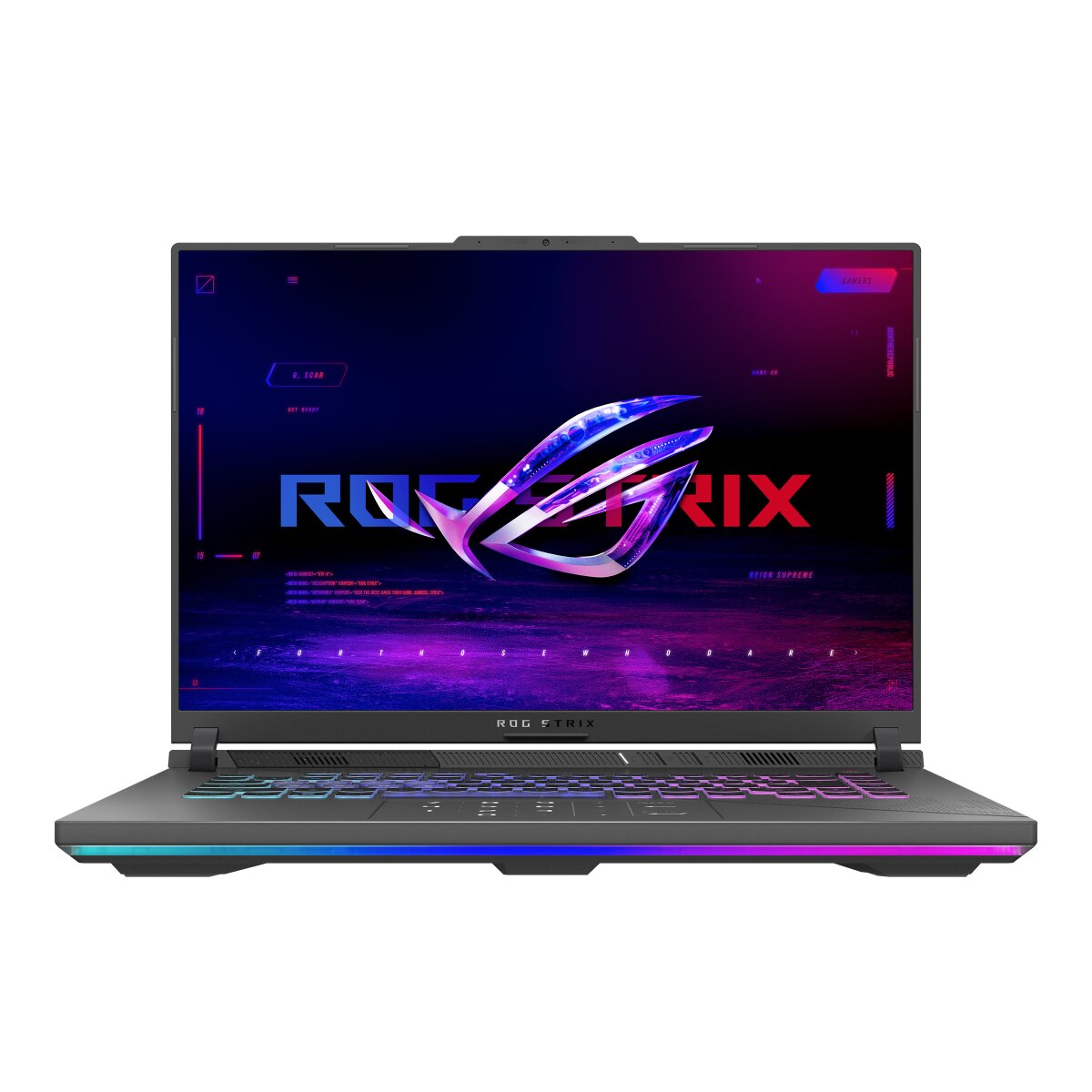

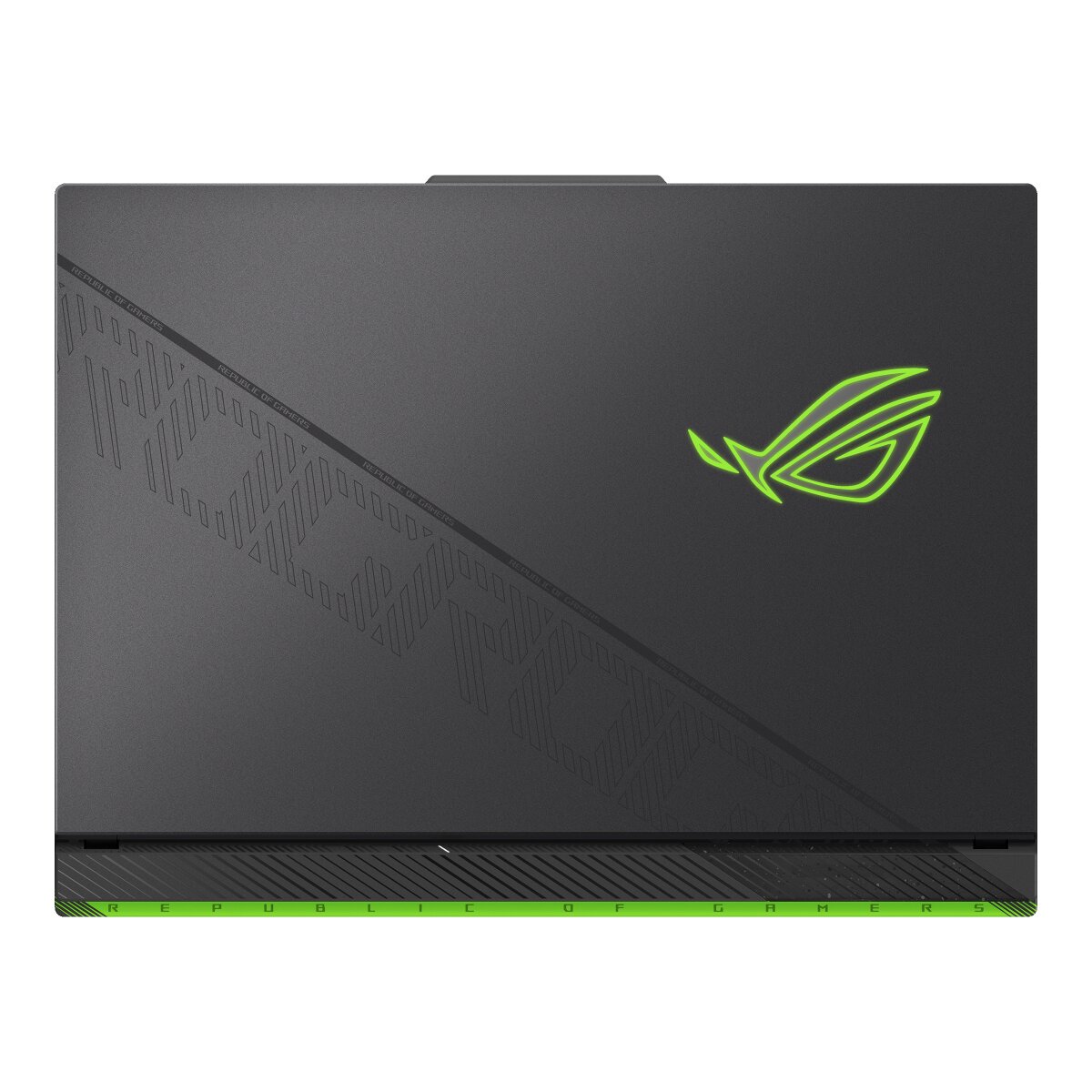
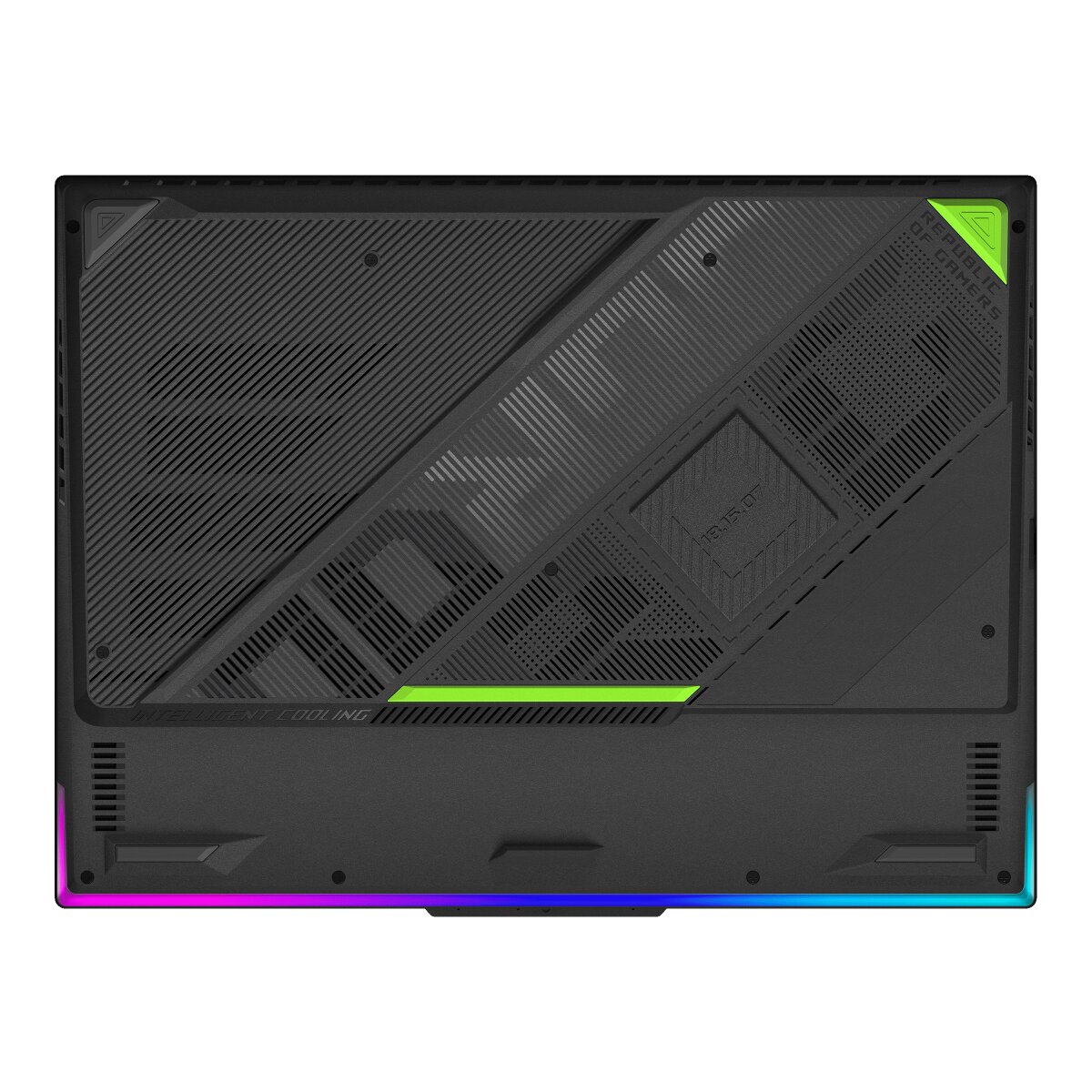
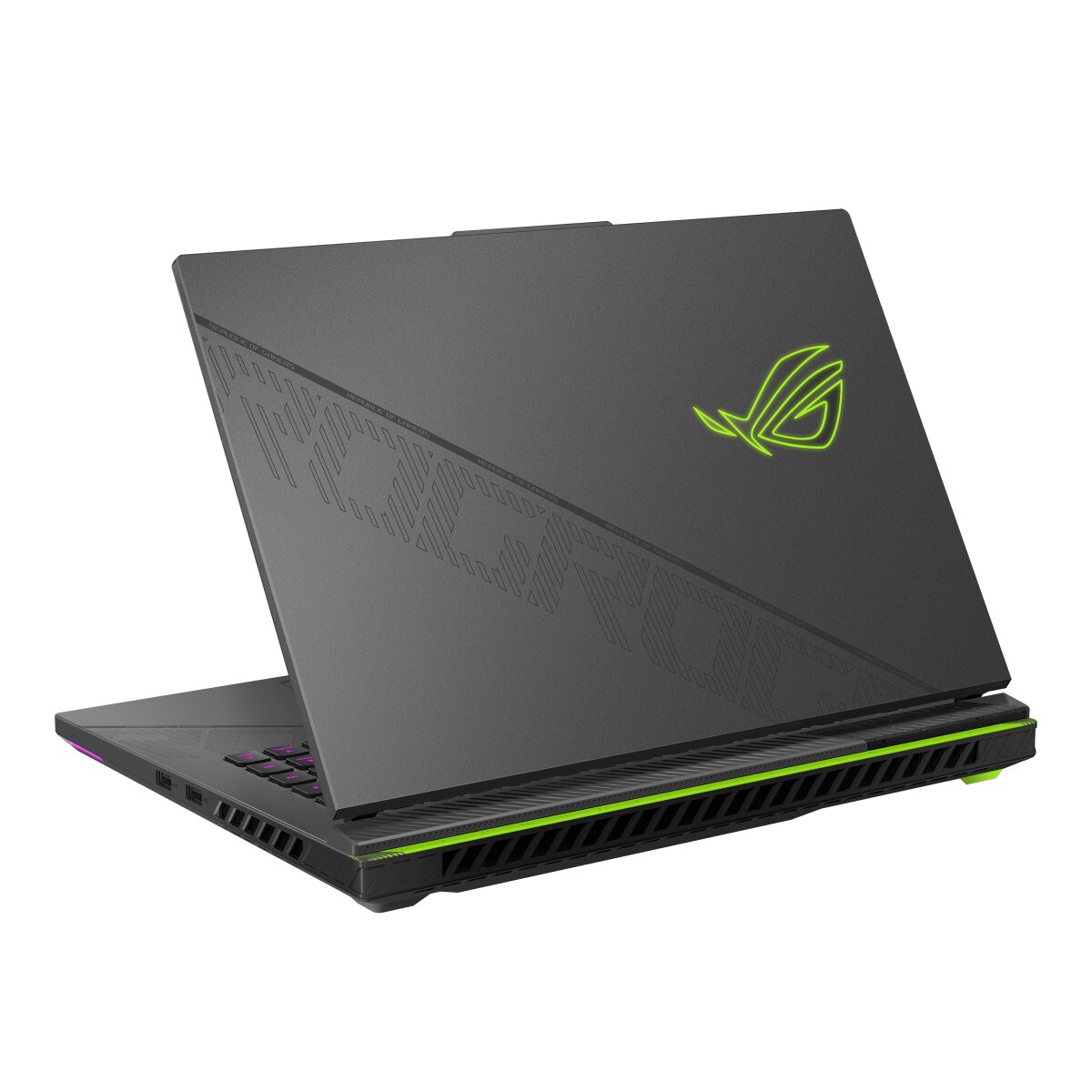
ASUS ROG Strix G16 G614JVR laptop supports DDR5-SDRAM memory upgrades through two SO-DIMM slots. The specifications allow maximum RAM capacity of 32 GB total, with compatible memory modules operating at 5600 MHz frequency. The SO-DIMM form factor enables straightforward memory expansion for this gaming laptop model, providing users with upgrade options to enhance system performance and multitasking capabilities.
Memory Upgrade Specifications
| Specification | Value |
|---|---|
| Memory slots | 2x SO-DIMM |
| Form factor | SO-DIMM |
| Memory type | DDR5-SDRAM |
| Frequency | 5600 MHz |
| Maximum RAM | 32 GB |
| Voltage | 1.1V |
| Number of pins | 262-pin |
| Interface | PC5 |
| PC Speed Rating | PC5-5600 (PC5-44800) |
| Bandwidth | 44.8 GB/s |
Additional Notes
- The ASUS ROG G614JVR accepts DDR5 SO-DIMM modules exclusively, preventing use of DDR4 or standard DIMM desktop memory due to incompatible pin configurations and voltage requirements.
- The 32 GB ceiling reflects chipset-level addressing limitations rather than physical slot restrictions, making configurations beyond 2x16 GB non-functional regardless of module availability.
- DDR5-5600 represents the official JEDEC-supported speed for this platform, though higher-frequency modules may downclock automatically to this baseline without BIOS intervention.
- Dual SO-DIMM architecture enables dual-channel operation when matched modules occupy both slots, effectively doubling memory bandwidth compared to single-channel configurations.
- Physical access to SO-DIMM slots typically requires bottom panel removal, with potential warranty implications depending on regional consumer protection laws and manufacturer policies.
- DDR5 modules operate at 1.1V standard voltage, eliminating compatibility concerns related to voltage mismatches common in previous DDR4 implementations.
- The 5600 MHz effective transfer rate translates to theoretical peak bandwidth of 44.8 GB/s per channel when both slots function in dual-channel mode.
- SO-DIMM form factor constraints limit heat spreader dimensions, potentially affecting sustained performance during prolonged memory-intensive operations compared to desktop equivalents.
- Mixed-capacity configurations require both modules to operate at the speed and timings of the slower component, creating potential performance degradation with mismatched pairs.
- On-die ECC functionality inherent to DDR5 architecture improves data integrity without requiring specialized server-grade modules or BIOS support.