ASUS ROG G614JV-N4513W RAM upgrade specifications
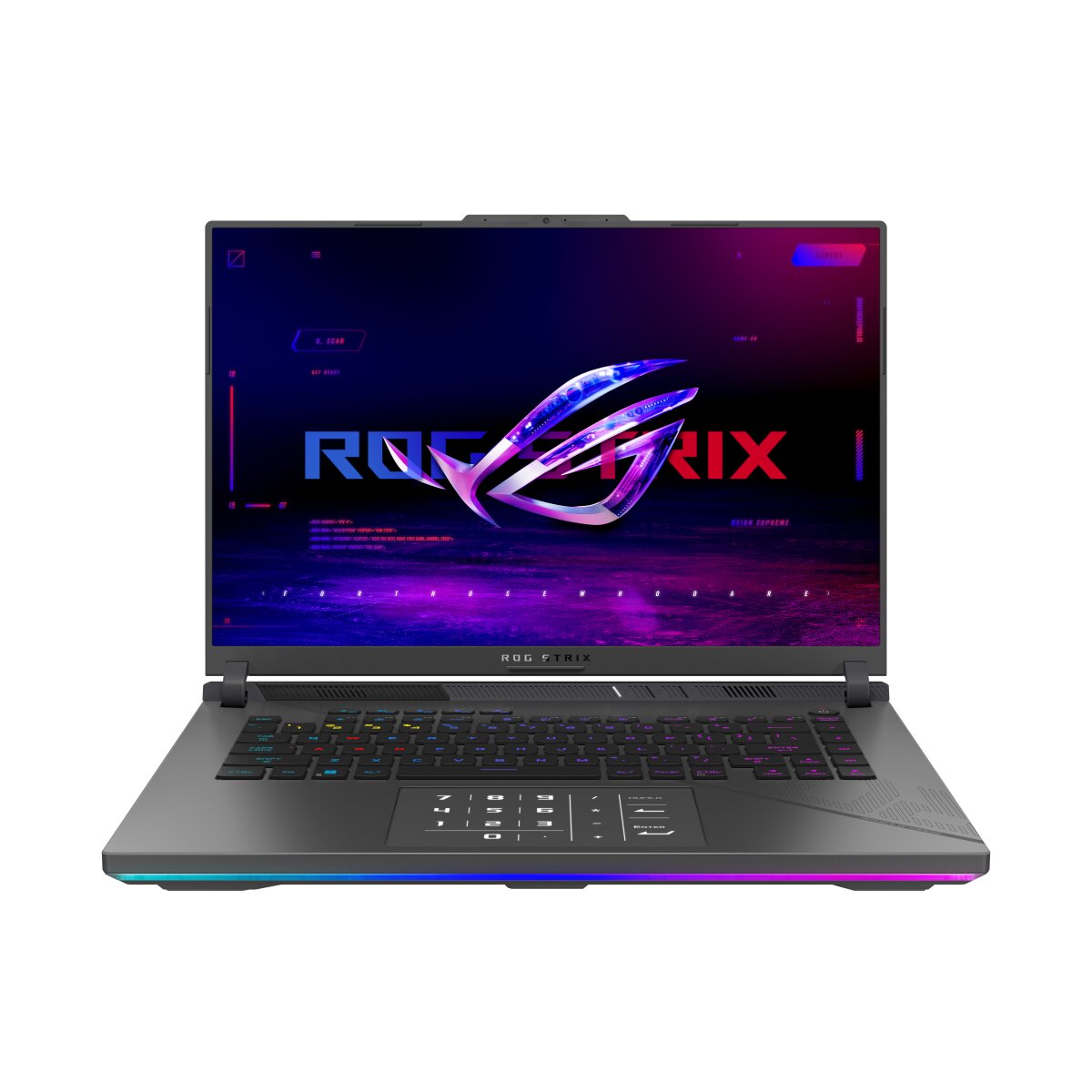
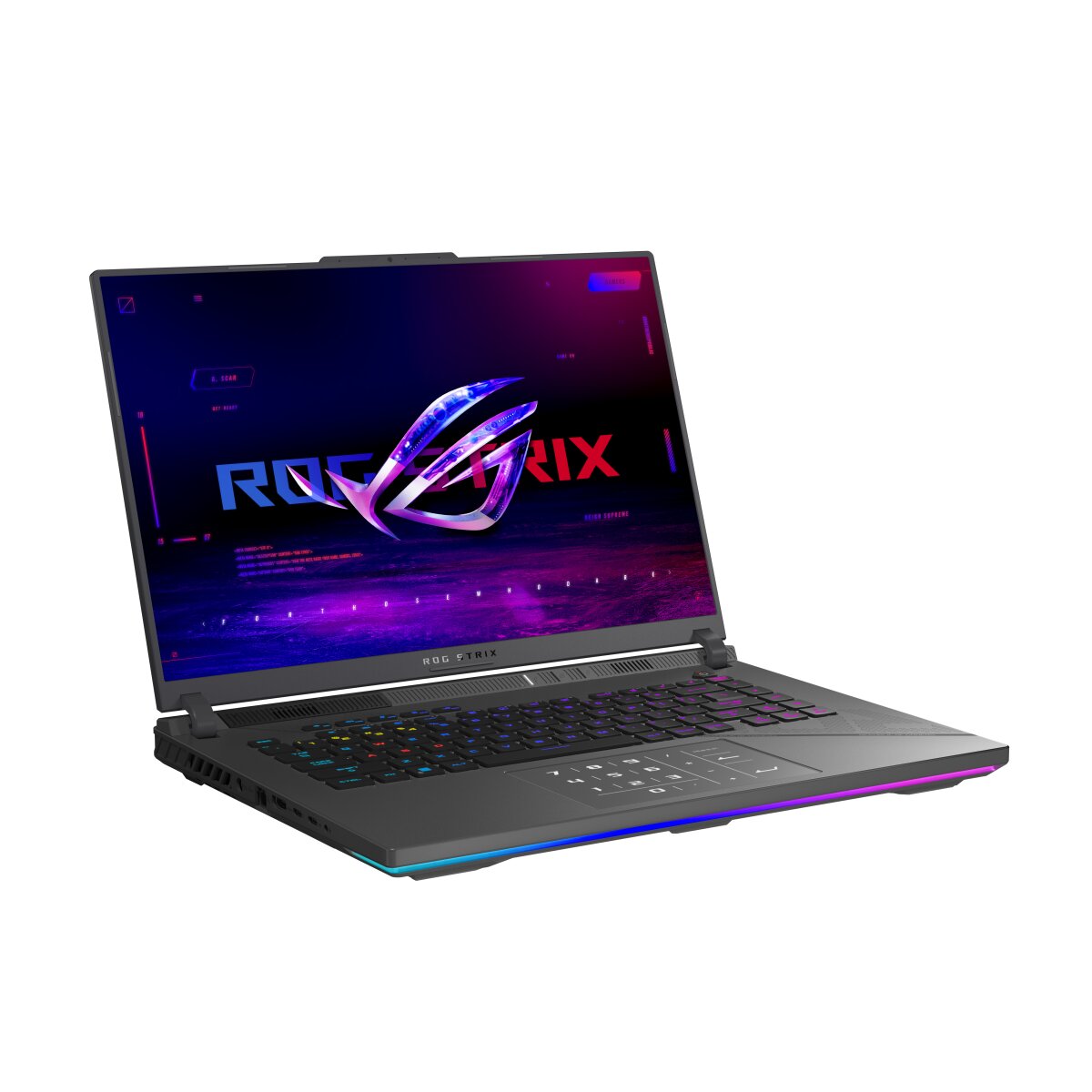
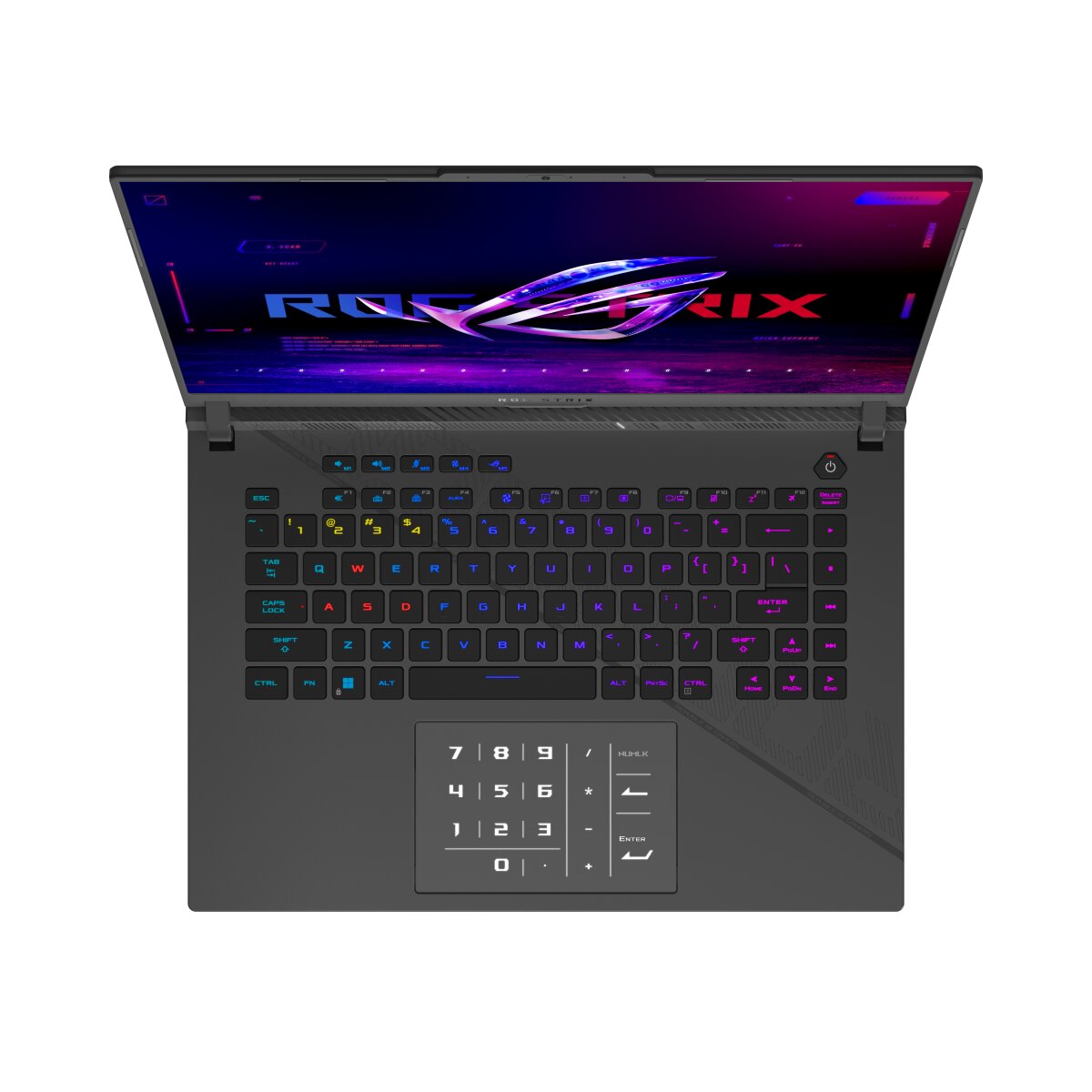
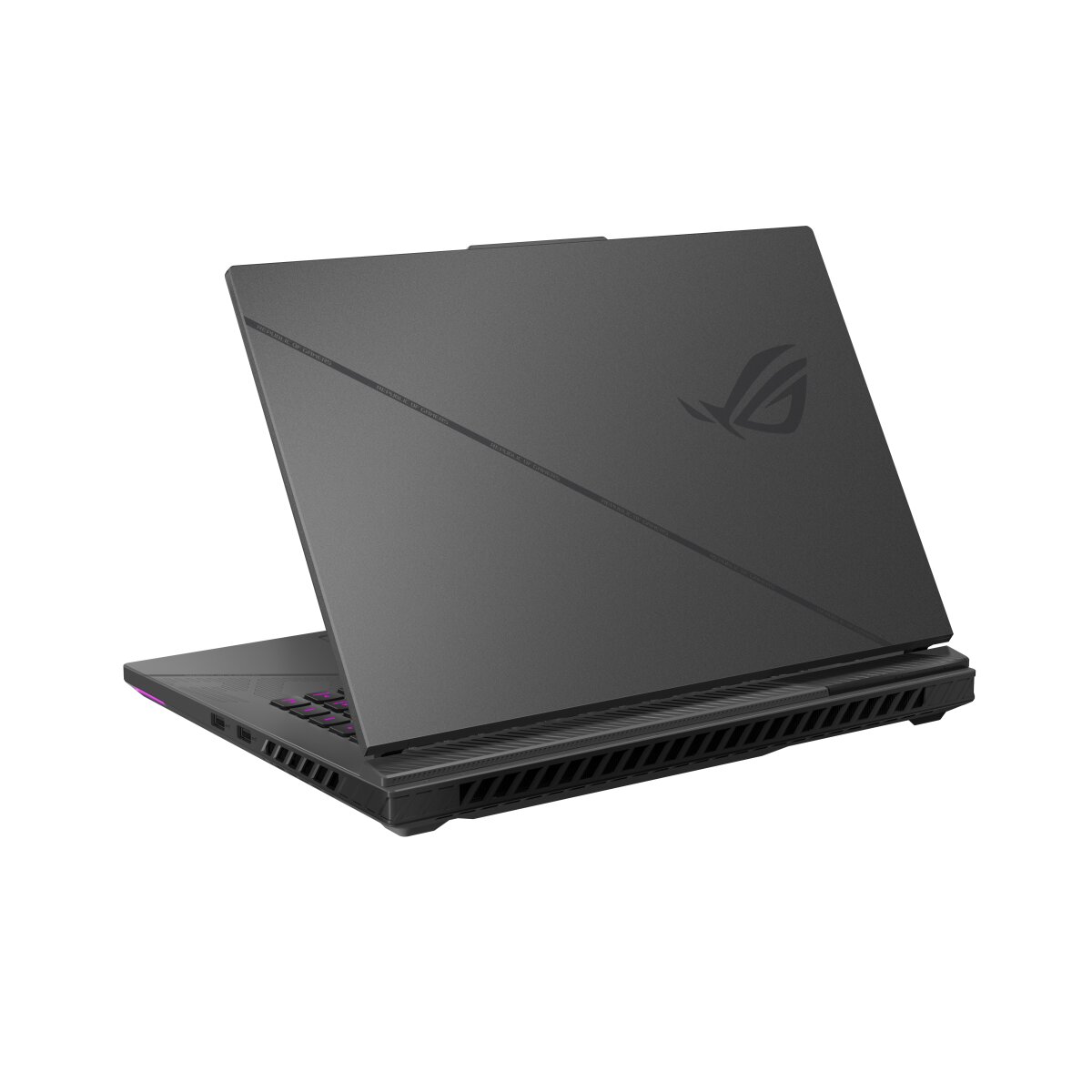
ASUS ROG Strix G16 model G614JV-N4513W features DDR5-SDRAM memory upgrade specifications. The laptop contains 2x SO-DIMM slots supporting SO-DIMM form factor modules. Maximum RAM capacity reaches 32 GB total when both slots are fully populated. Compatible memory operates at 4800 MHz frequency. Specifications indicate upgrade potential through DDR5 memory modules matching the SO-DIMM physical format and DDR5 technology requirements for this gaming laptop series.
Memory Upgrade Specifications
| Specification | Value |
|---|---|
| Memory slots | 2x SO-DIMM |
| Form factor | SO-DIMM |
| Memory type | DDR5-SDRAM |
| Frequency | 4800 MHz |
| Maximum RAM | 32 GB |
| Voltage | 1.1V |
| Number of pins | 262-pin |
| Interface | PC5 |
| PC Speed Rating | PC5-4800 (PC5-38400) |
| Bandwidth | 38.4 GB/s |
Additional Notes
- The ASUS ROG G614JV-N4513W implements a 32 GB ceiling that prevents installation of 64 GB configurations despite DDR5 SO-DIMM modules being available in 48 GB and 64 GB capacities.
- DDR5-4800 represents the JEDEC baseline specification, indicating significant headroom for performance gains through modules rated at 5200 MHz, 5600 MHz, or 6000 MHz if the system firmware supports XMP 3.0 profiles.
- The dual SO-DIMM architecture requires matched pairs for optimal dual-channel operation, as mismatched module capacities or timings force the memory controller into asymmetric or single-channel modes with measurable bandwidth reduction.
- Standard DDR5 SO-DIMM modules operate at 1.1V, producing less thermal output than DDR4 equivalents, though inadequate chassis ventilation around memory slots can still trigger thermal throttling under sustained workloads.
- The 4800 MHz specification translates to PC5-38400 bandwidth rating, delivering 38.4 GB/s per channel or 76.8 GB/s combined when both slots maintain symmetric configuration.
- DDR5 on-die ECC functionality operates independently of user configuration, correcting single-bit errors transparently without the reliability trade-offs associated with registered or unbuffered module selection.
- Physical SO-DIMM dimensions of 69.6 mm length require clearance verification in systems where thermal solutions or structural components encroach on memory slot zones.
- Upgrading from soldered memory configurations is impossible as this system uses socketed SO-DIMM slots, though verifying whether existing capacity is soldered or socketed determines whether partial or complete replacement is necessary.
- DDR5's doubled bank groups compared to DDR4 reduce command latency penalties during interleaved operations, benefiting workloads with randomized memory access patterns more than sequential transfers.
- The 32 GB limitation likely stems from memory controller restrictions rather than physical slot constraints, as the SO-DIMM specification itself supports higher per-slot capacities.
- Mixed-brand module installations remain functionally viable when primary timings and voltage specifications align, though identical SKU pairing eliminates potential stability issues from secondary timing mismatches.
- Warranty preservation requires avoiding physical damage to retention clips and gold contacts during installation, as user-replaceable component policies typically exclude damage from improper handling procedures.