ASUS ROG G614JV-N4213X RAM upgrade specifications



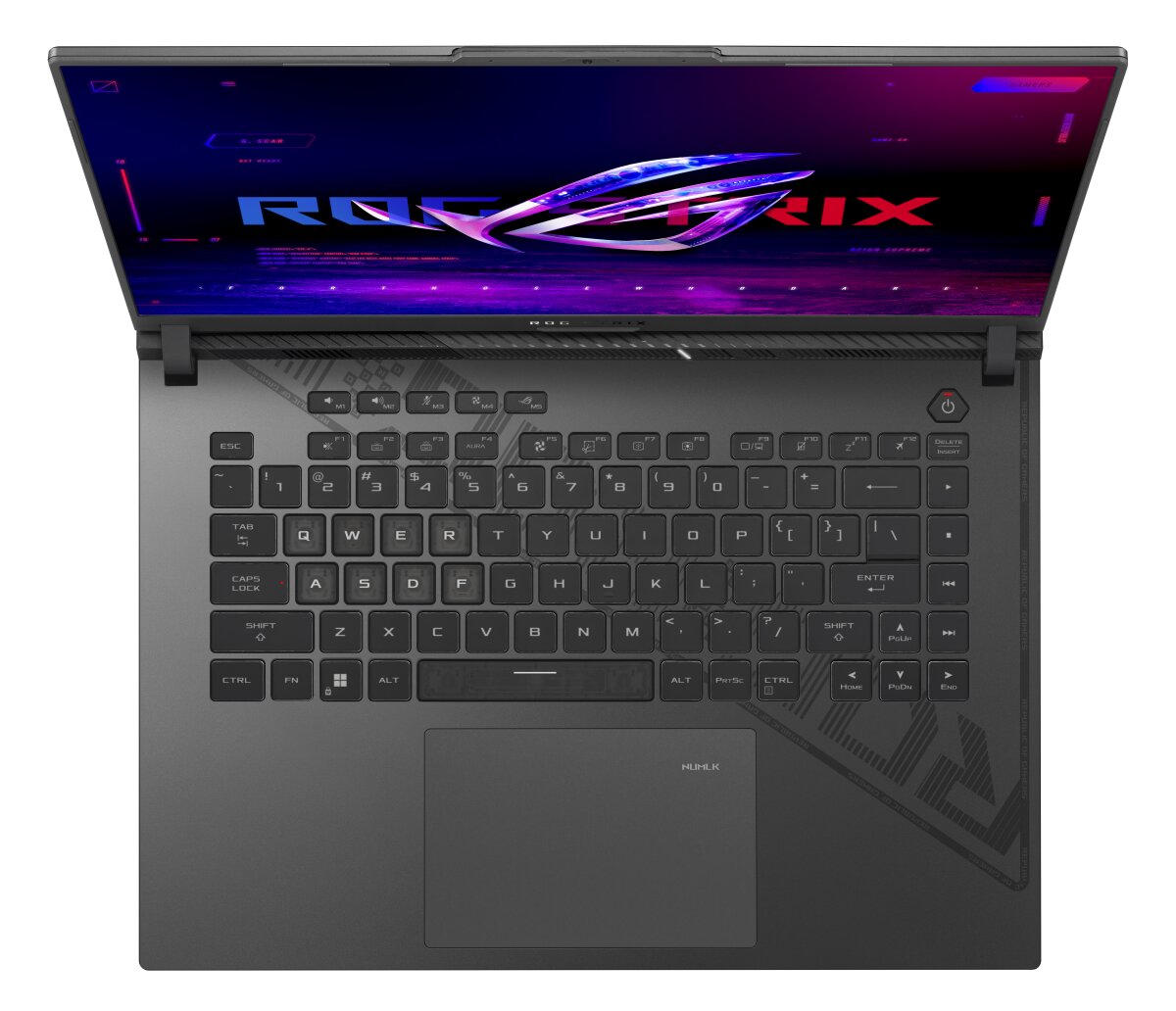
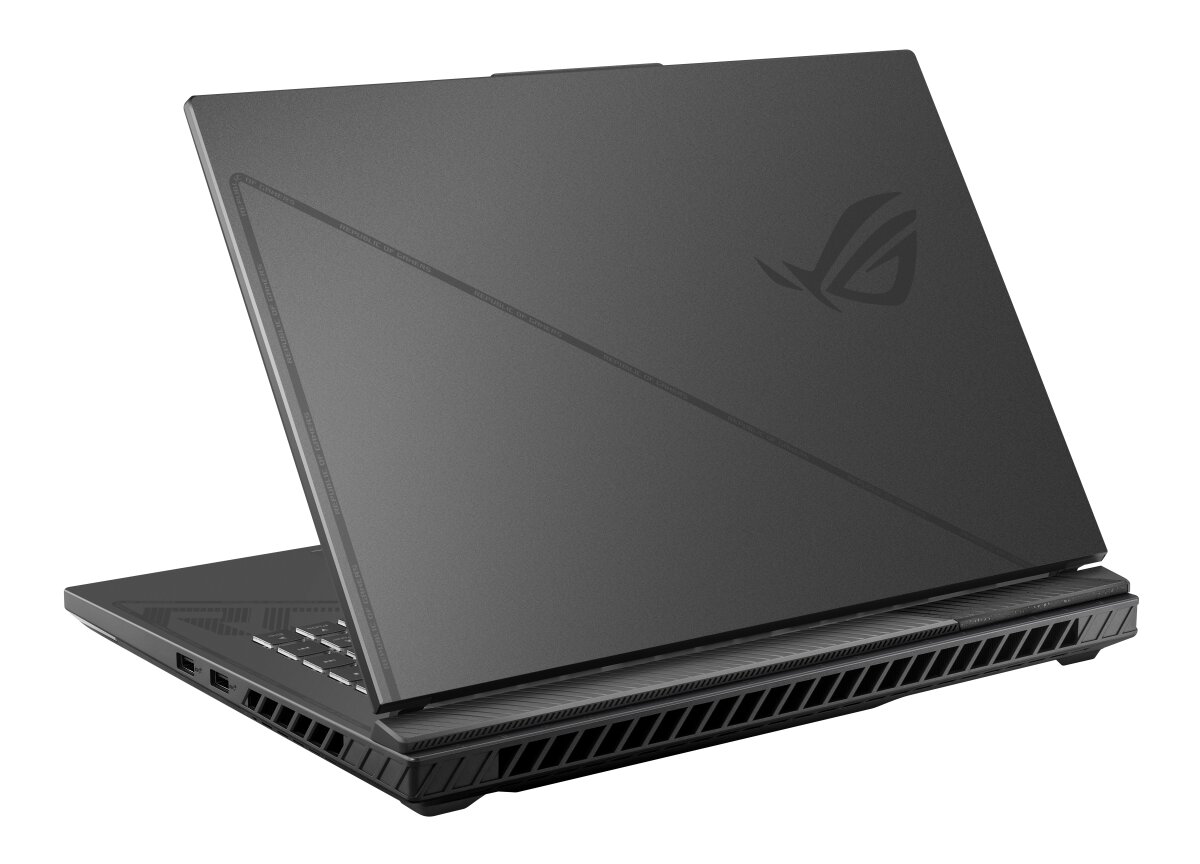
ASUS ROG Strix G16 model G614JV-N4213X features DDR5-SDRAM memory upgrade specifications. The laptop contains 2x SO-DIMM slots for memory expansion. Maximum RAM capacity reaches 32 GB total. Compatible memory modules operate at 4800 MHz frequency. Upgrade options support SO-DIMM form factor modules. Specifications enable users to expand memory configurations based on system requirements and available slot capacity.
Memory Upgrade Specifications
| Specification | Value |
|---|---|
| Memory slots | 2x SO-DIMM |
| Form factor | SO-DIMM |
| Memory type | DDR5-SDRAM |
| Frequency | 4800 MHz |
| Maximum RAM | 32 GB |
| Voltage | 1.1V |
| Number of pins | 262-pin |
| Interface | PC5 |
| PC Speed Rating | PC5-4800 (PC5-38400) |
| Bandwidth | 38.4 GB/s |
Additional Notes
- The ASUS ROG G614JV-N4213X implements DDR5 technology, which operates at a higher base voltage (1.1V) compared to DDR4 (1.2V), reducing power consumption while maintaining signal integrity across the memory bus.
- SO-DIMM modules designed for DDR5 feature 262 pins instead of the 260-pin configuration used in DDR4 SO-DIMMs, making cross-generation installation physically impossible due to notch repositioning.
- The 32 GB maximum capacity constraint indicates a dual-channel configuration limited to 16 GB per module, which represents the current practical density limit for consumer-grade DDR5 SO-DIMM technology.
- DDR5 architecture introduces on-die ECC (error correction code) that operates independently of the system's ECC implementation, providing baseline data integrity without requiring ECC-specific modules.
- The 4800 MHz frequency represents DDR5's JEDEC baseline specification, operating at a lower effective speed compared to DDR4-3200 modules when measured by actual latency rather than raw bandwidth.
- DDR5's dual-channel architecture per module (2x32-bit subchannels versus DDR4's single 64-bit channel) allows independent bank group management, improving efficiency under parallel workloads despite potential latency trade-offs.
- Thermal considerations become relevant at this frequency range, as DDR5 modules incorporate integrated power management ICs that generate localized heat distinct from the memory chips themselves.
- The SO-DIMM form factor limits passive cooling surface area compared to desktop UDIMMs, making sustained high-frequency operation dependent on chassis airflow pathways around the memory compartment.
- Mixing modules with different density configurations (8 GB + 16 GB) will function but forces the memory controller into asymmetric dual-channel mode, reducing interleaving efficiency on the larger module's excess capacity.
- XMP 3.0 profiles may exist on aftermarket modules but require BIOS support for frequency overclocking beyond 4800 MHz, with implementation varying by manufacturer's firmware validation.
- The platform's memory controller determines actual operational frequency, meaning faster-rated modules will downclock to 4800 MHz unless explicit overclocking support exists in the system firmware.
- Warranty preservation typically requires avoiding modules that exceed the manufacturer's published specifications, as frequency or voltage deviations may constitute user-induced configuration changes.