ASUS ROG G614JV-N4156W RAM upgrade specifications



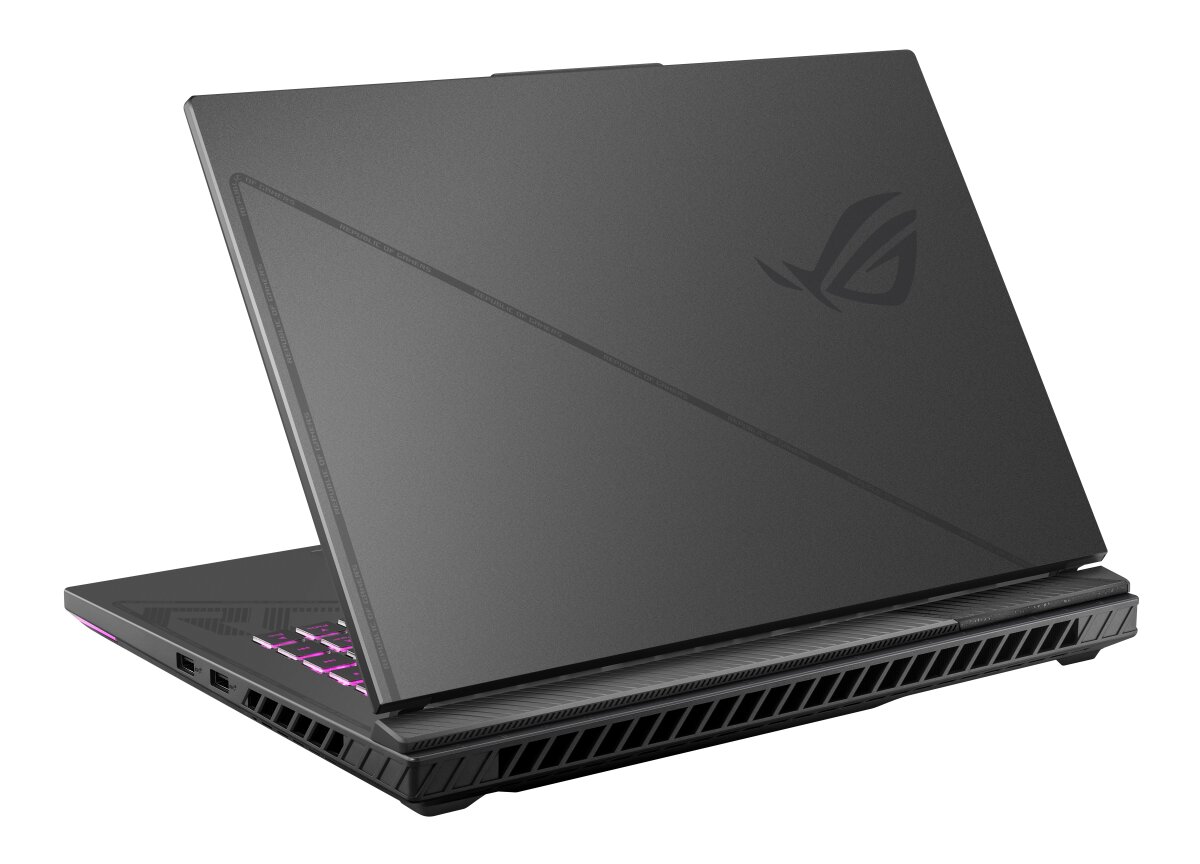
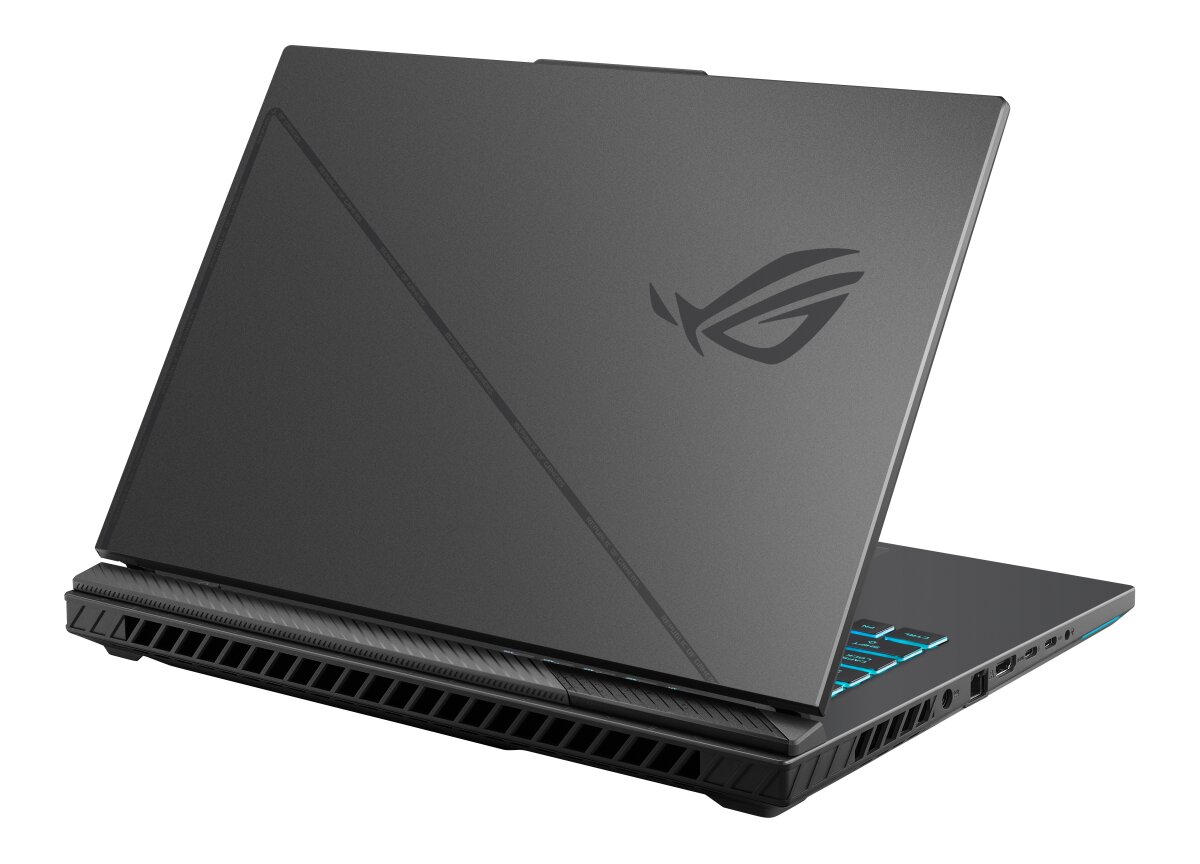
ASUS ROG Strix G16 G614JV-N4156W laptop memory upgrade specifications include DDR5-SDRAM compatibility with 2x SO-DIMM slots supporting maximum RAM capacity of 32 GB total. Upgrade options utilize SO-DIMM form factor modules operating at 4800 MHz frequency. Compatible memory modules must meet DDR5-SDRAM specifications for proper functioning within laptop architecture. Maximum upgrade capacity allows installation of dual 16 GB modules to achieve 32 GB total system memory, providing enhanced multitasking and application performance capabilities.
Memory Upgrade Specifications
| Specification | Value |
|---|---|
| Memory slots | 2x SO-DIMM |
| Form factor | SO-DIMM |
| Memory type | DDR5-SDRAM |
| Frequency | 4800 MHz |
| Maximum RAM | 32 GB |
| Voltage | 1.1V |
| Number of pins | 262-pin |
| Interface | PC5 |
| PC Speed Rating | PC5-4800 (PC5-38400) |
| Bandwidth | 38.4 GB/s |
| Laptop Release date | 01 March 2023 |
Additional Notes
- The presence of 2 SO-DIMM slots confirms a dual-channel architecture which requires identical module pairs to optimize memory bandwidth for the ASUS ROG G614JV-N4156W processor.
- The maximum capacity limit of 32 GB dictates that 16 GB is the largest individual module size supported per slot.
- DDR5 technology operates at a lower native voltage than previous generations which reduces heat dissipation requirements within the localized memory area of the motherboard.
- Installing modules with speeds exceeding 4800 MHz will result in the system downclocking the hardware to match the maximum rated bus frequency defined by the firmware.
- The SO-DIMM form factor necessitates the use of 262-pin modules specifically designed for mobile chipsets rather than desktop DIMM hardware.
- Upgrading beyond the factory configuration requires the removal of existing modules if both slots are populated because there are no additional vacant expansion points.
- Integrated power management circuits on the DDR5 sticks shift voltage regulation away from the mainboard and onto the memory module itself for improved power efficiency.