ASUS ROG G614JV-N4120W-GAMING RAM upgrade specifications



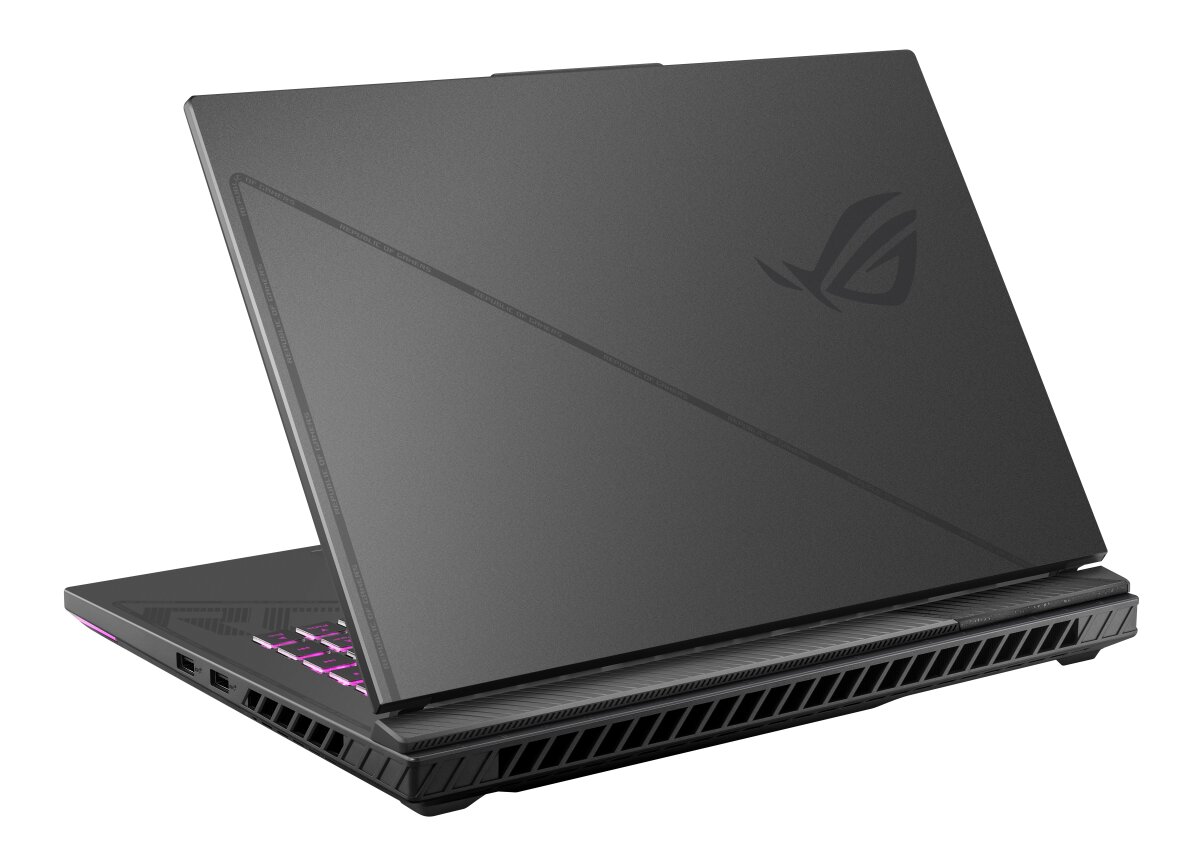
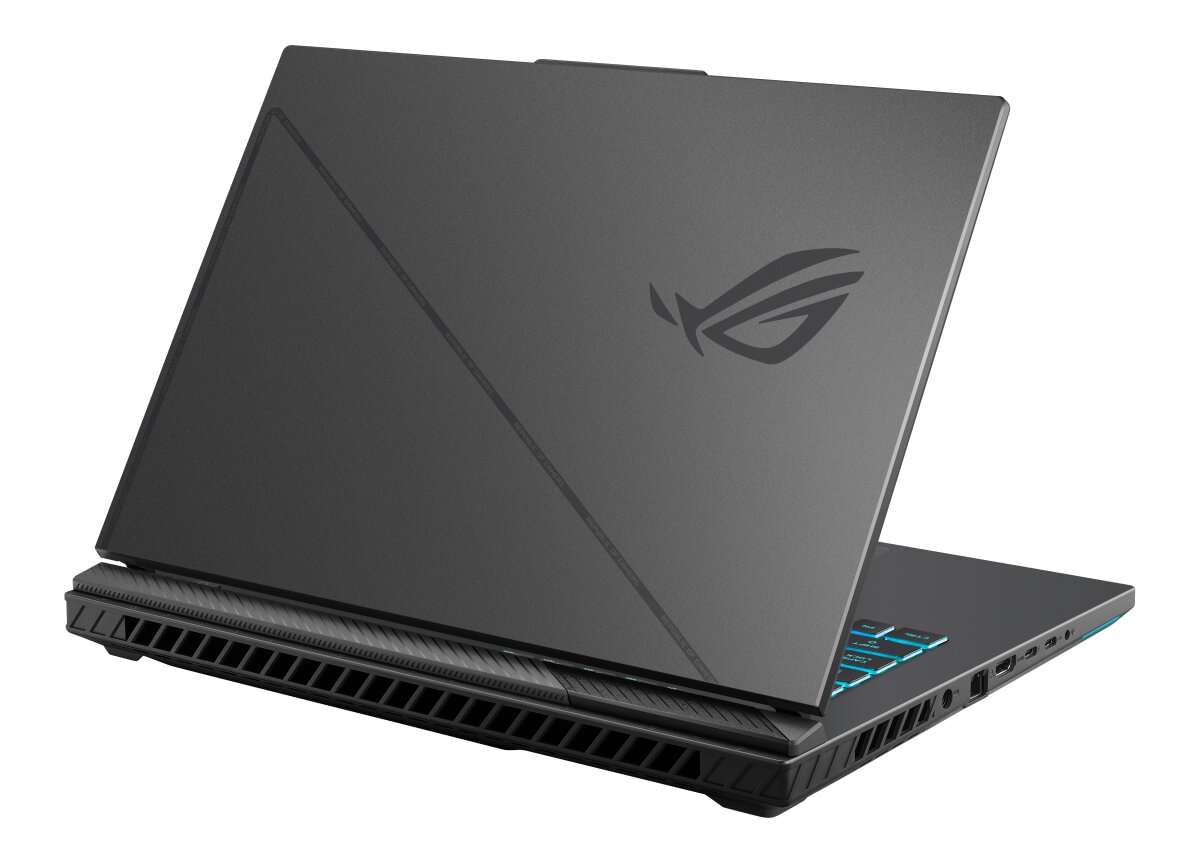
ASUS ROG Strix G16 G614JV-N4120W-GAMING gaming laptop supports DDR5-SDRAM memory upgrade configuration. System features 2x SO-DIMM slots with maximum capacity of 32 GB total RAM. Compatible memory modules operate at 4800 MHz frequency and utilize SO-DIMM form factor. Specifications allow for dual-channel memory upgrade architecture, enabling performance enhancement through compatible DDR5 RAM modules within stated capacity constraints.
Memory Upgrade Specifications
| Specification | Value |
|---|---|
| Memory slots | 2x SO-DIMM |
| Form factor | SO-DIMM |
| Memory type | DDR5-SDRAM |
| Frequency | 4800 MHz |
| Maximum RAM | 32 GB |
| Voltage | 1.1V |
| Number of pins | 262-pin |
| Interface | PC5 |
| PC Speed Rating | PC5-4800 (PC5-38400) |
| Bandwidth | 38.4 GB/s |
Additional Notes
- The ASUS ROG G614JV-N4120W-GAMING implements a dual-channel memory architecture through 2 SO-DIMM slots, enabling theoretical bandwidth of 76.8 GB/s when both channels operate simultaneously with DDR5-4800 modules.
- Memory density limitation to 32 GB total capacity indicates compatibility with 16 GB modules per slot, reflecting either controller restrictions or manufacturer validation boundaries for stable operation.
- DDR5 modules require 1.1V operating voltage compared to DDR4's 1.2V standard, reducing thermal output during sustained memory-intensive operations but mandating voltage-compatible SO-DIMM modules for system stability.
- The 4800 MHz frequency specification represents JEDEC baseline speed for DDR5, suggesting potential support for XMP 3.0 profiles at higher frequencies if BIOS implementation permits overclocking beyond factory validation.
- SO-DIMM form factor necessitates smaller PCB dimensions than standard DIMM, restricting aftermarket module selection to laptop-specific components and potentially affecting availability of high-capacity or performance-optimized kits.
- Dual-slot configuration without soldered components permits complete memory replacement without specialized desoldering equipment, maintaining upgrade accessibility within standard warranty terms for user-serviceable components.
- DDR5's on-die ECC architecture operates independently of system-level ECC support, providing single-bit error correction transparently without BIOS configuration or performance overhead associated with traditional ECC implementations.
- Memory controller bandwidth allocation at 4800 MHz establishes baseline latency expectations around CL40-42 for standard modules, with tighter timings requiring explicit SPD programming or manual BIOS adjustment if supported.
- The 32 GB ceiling creates RAM allocation constraints for workloads exceeding this threshold, such as large-scale virtual machine deployment or professional 3D rendering projects requiring substantial texture caching.
- DDR5 backward incompatibility with DDR4 slots stems from revised pin configuration and notch positioning, preventing physical insertion of incorrect module types and protecting against voltage mismatch damage.