ASUS ROG G614JV-N4117W RAM upgrade specifications


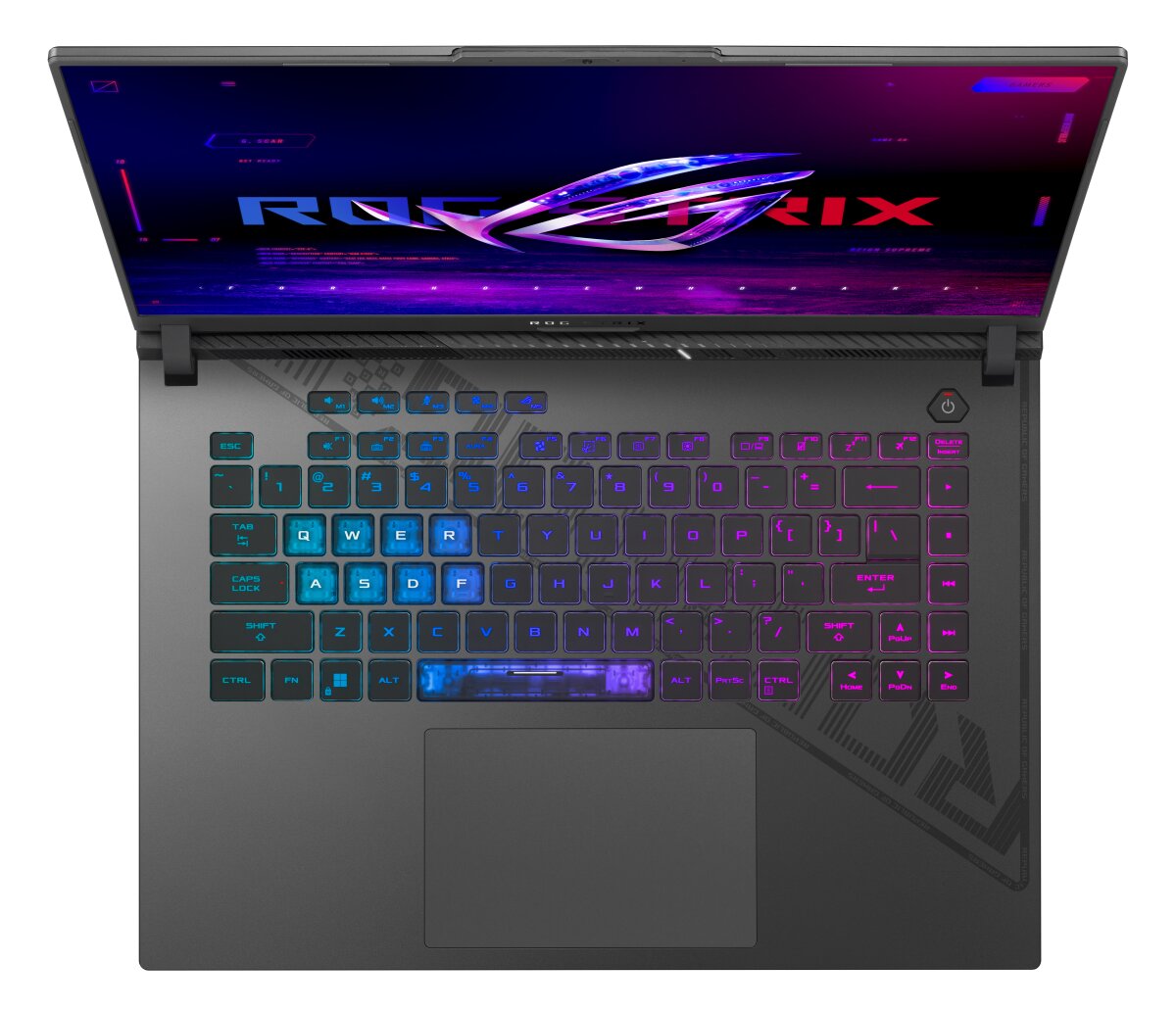
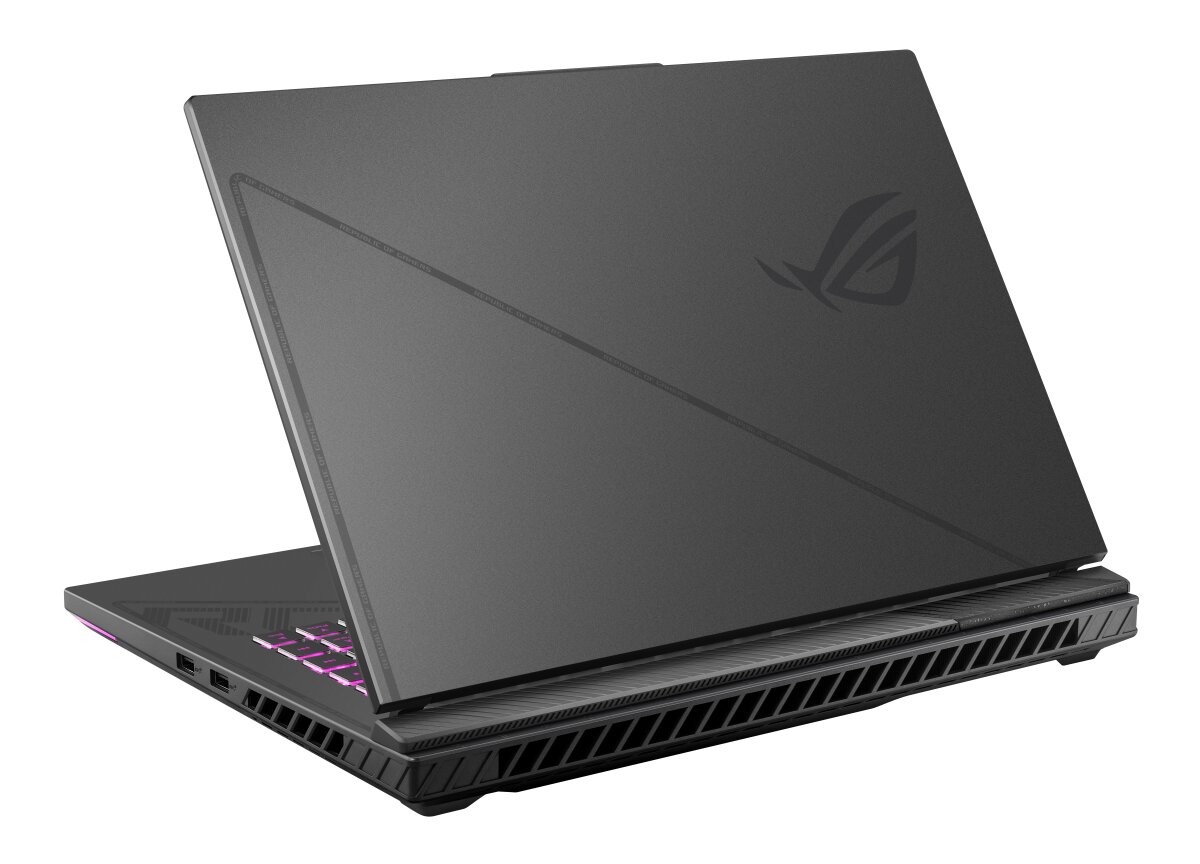
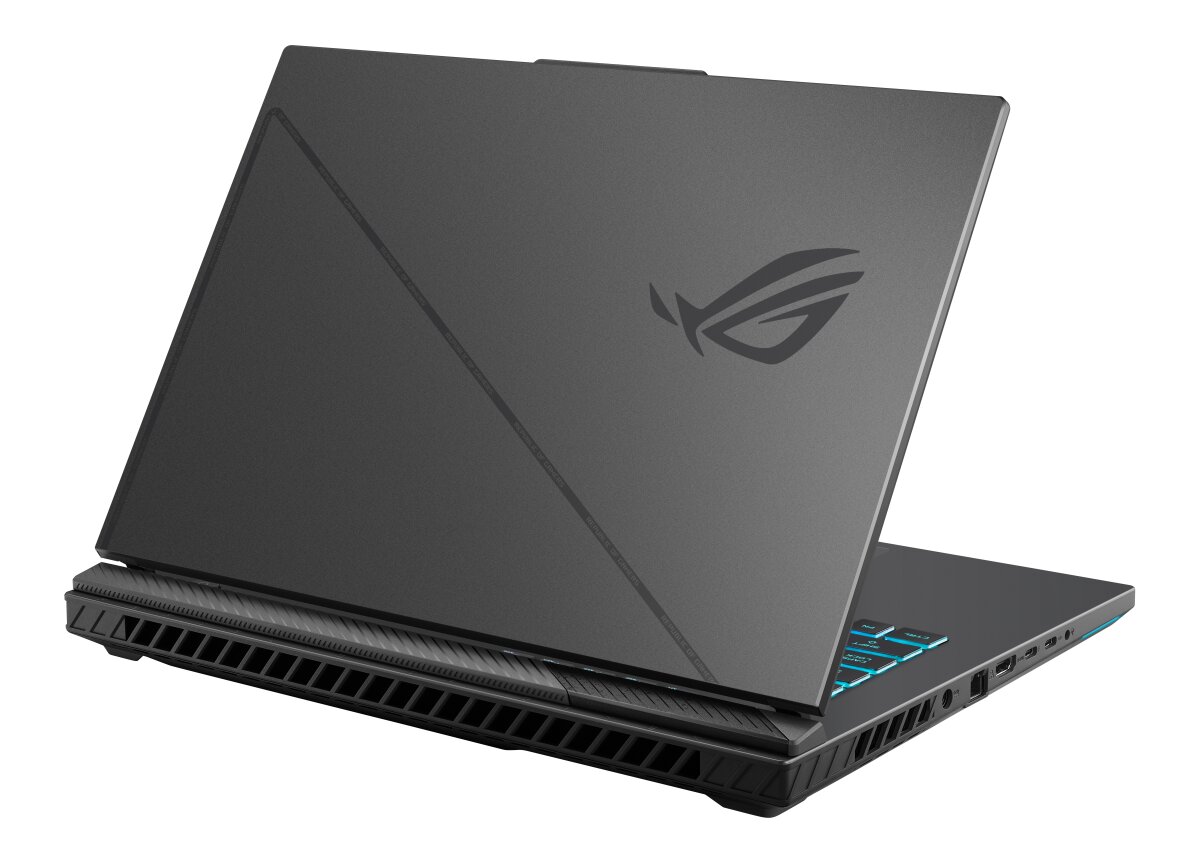
The ASUS ROG Strix G16 G614JV-N4117W laptop features DDR5-SDRAM memory upgrade specifications. The system contains 2x SO-DIMM memory slots supporting a maximum RAM capacity of 32 GB. Compatible memory modules operate at 4800 MHz frequency. The SO-DIMM form factor specifications define the physical and operational parameters for RAM upgrades on the G614JV-N4117W model. Memory upgrade configurations are compatible with DDR5 technology standards. Specifications indicate maximum expandable capacity limitations and slot availability for the Strix G16 series gaming notebook.
Memory Upgrade Specifications
| Specification | Value |
|---|---|
| Memory slots | 2x SO-DIMM |
| Form factor | SO-DIMM |
| Memory type | DDR5-SDRAM |
| Frequency | 4800 MHz |
| Maximum RAM | 32 GB |
| Voltage | 1.1V |
| Number of pins | 262-pin |
| Interface | PC5 |
| PC Speed Rating | PC5-4800 (PC5-38400) |
| Bandwidth | 38.4 GB/s |
Additional Notes
- The ASUS ROG G614JV-N4117W contains 2 SO-DIMM slots operating at 4800 MHz, establishing a hard ceiling of 32 GB total capacity regardless of individual module density.
- DDR5-4800 memory operates within JEDEC standard parameters, meaning aftermarket modules rated for higher frequencies (5600 MHz or above) will downclock to 4800 MHz unless BIOS-level XMP/DOCP profiles are manually enabled, potentially voiding standard warranty coverage on memory-related failures.
- SO-DIMM form factor constrains module selection to laptop-specific memory; desktop DDR5 UDIMMs are physically incompatible and cannot be force-fitted without permanent socket damage.
- Dual-slot architecture prevents single-module upgrades from utilizing full memory bandwidth; populating only 1 slot disables dual-channel operation and reduces effective memory throughput by approximately 50 percent compared to symmetrical 2-module configurations.
- The 32 GB maximum capacity matches upper-tier consumer workloads but creates an upgrade dead-end; replacement to higher densities requires complete module substitution rather than additive expansion.
- Frequency specification at 4800 MHz indicates the GPU and CPU memory controllers are validated only to this speed; attempting to force DDR5-5200 or DDR5-5600 operation introduces stability risks on integrated graphics and CPU cache coherency without manufacturer testing validation.