ASUS ROG G614JV-N4118W RAM upgrade specifications

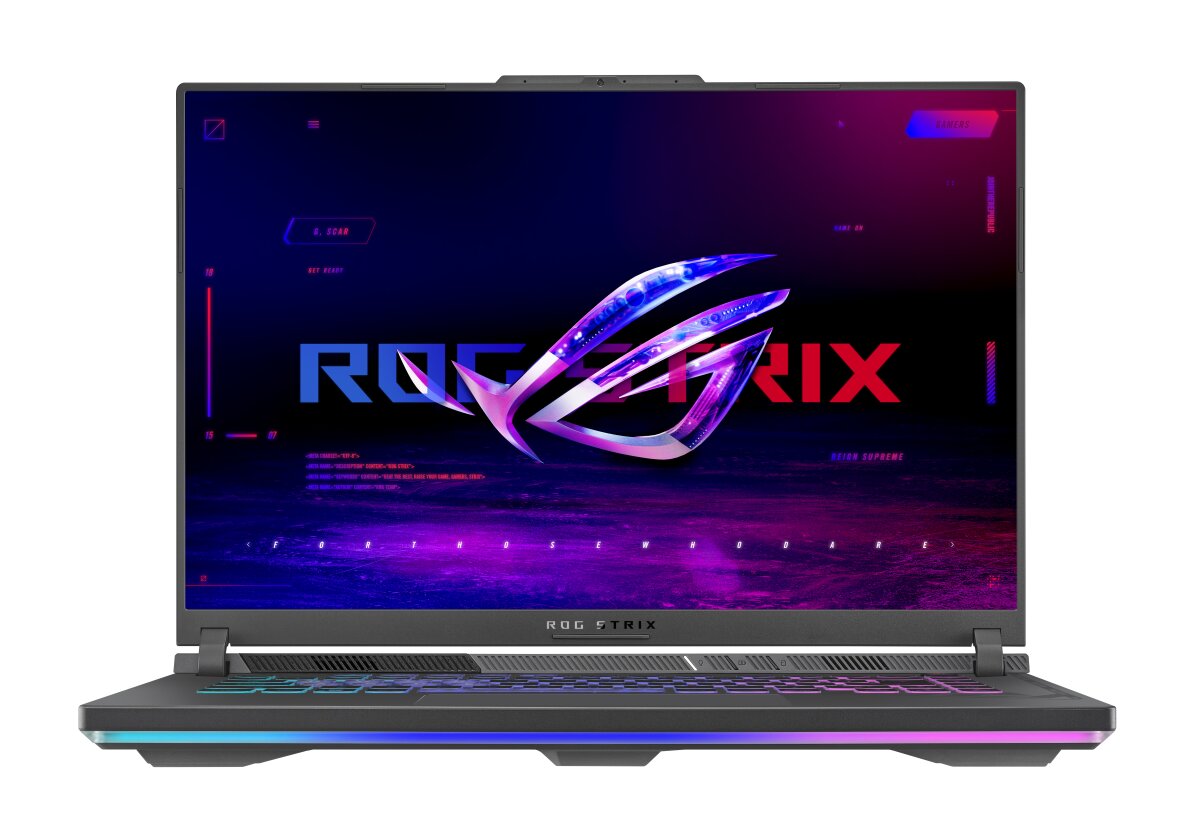
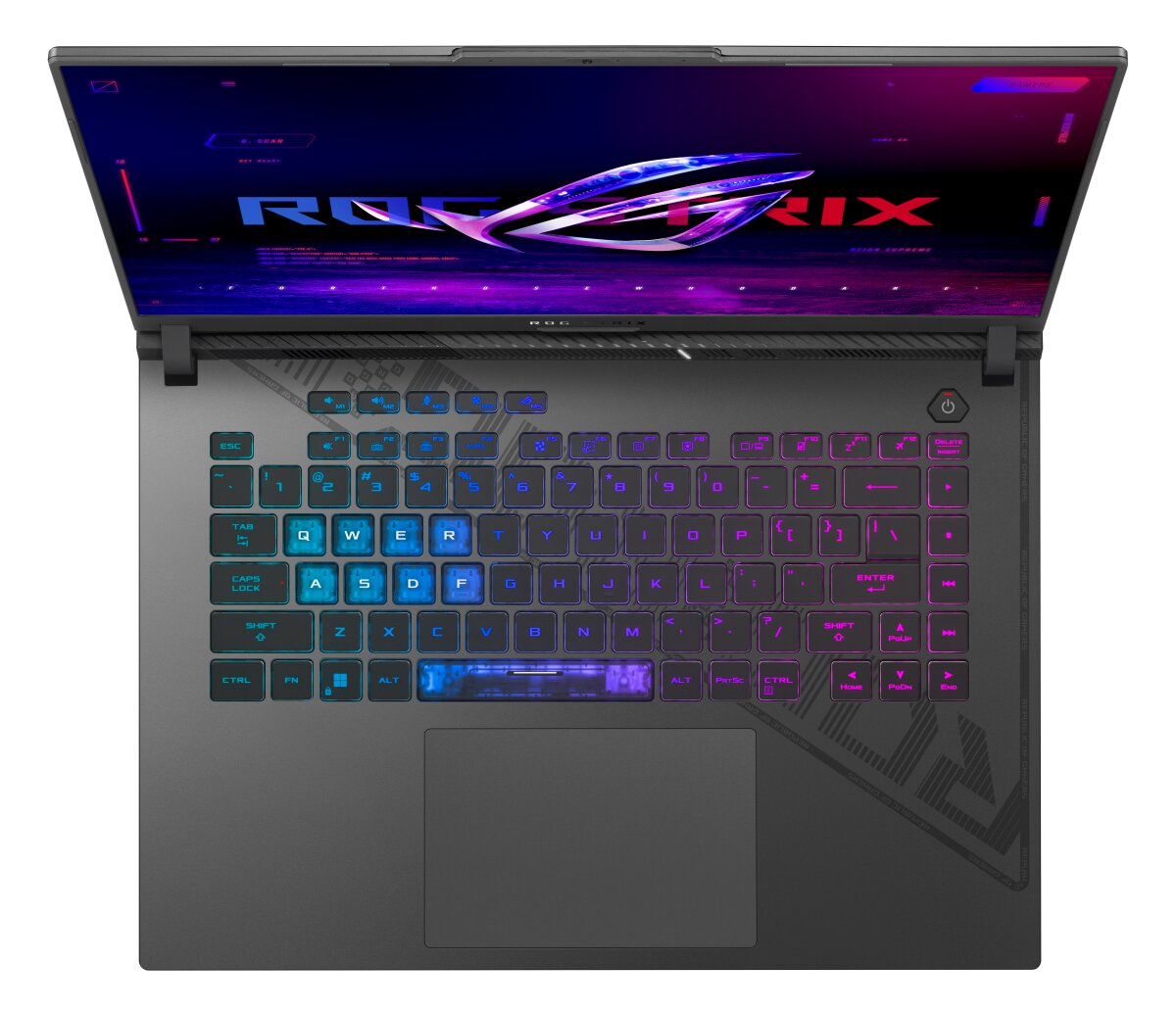
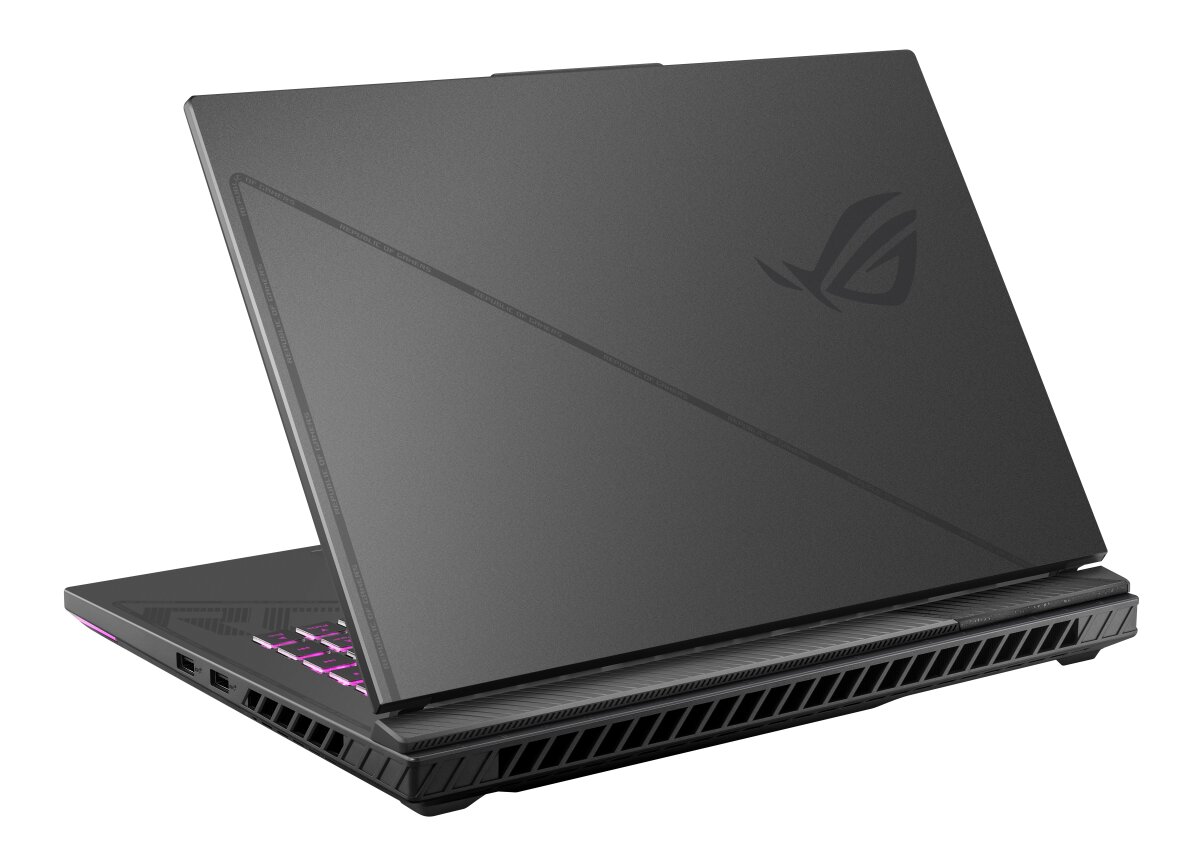
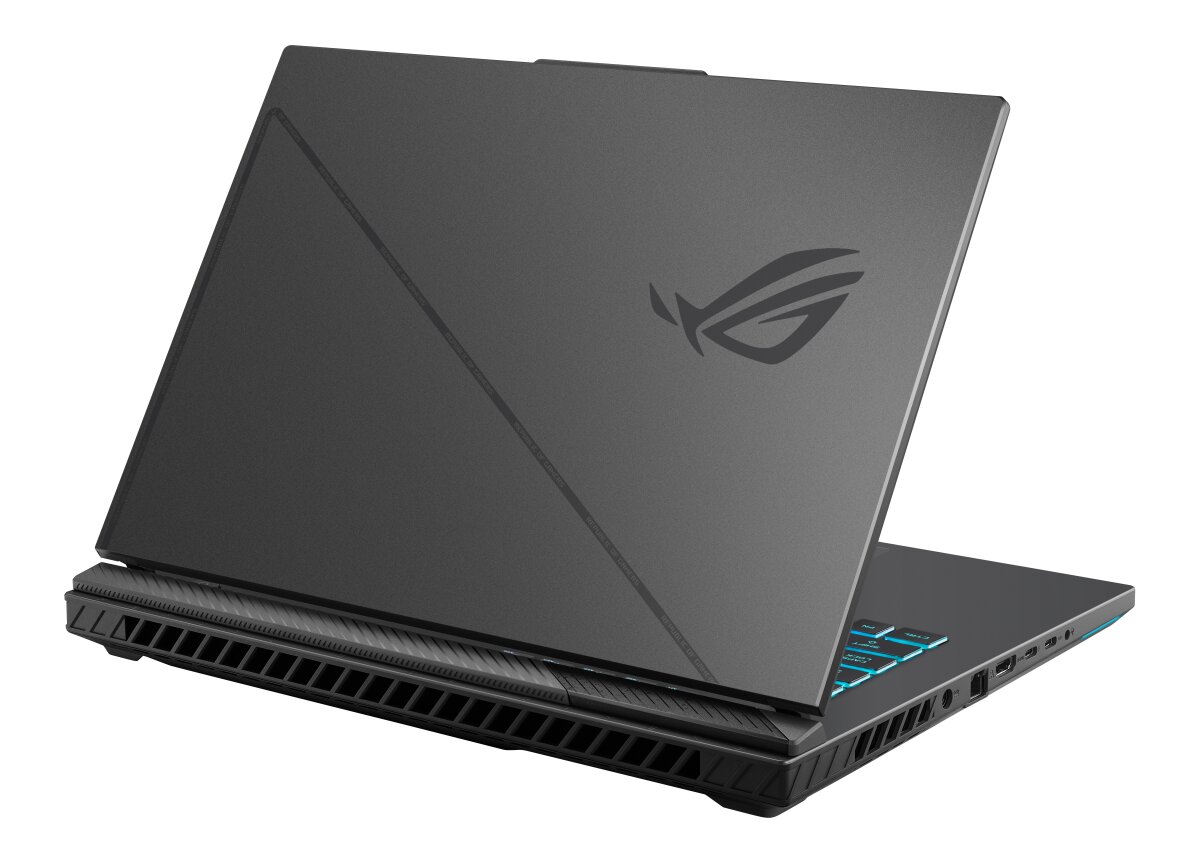
The ASUS ROG Strix G16 G614JV-N4118W supports DDR5-SDRAM memory upgrades with two SO-DIMM slots for expansion. Maximum memory capacity reaches 32 GB total across both slots. Compatible memory operates at 4800 MHz frequency specifications. RAM upgrade options utilize SO-DIMM form factor modules. Memory specifications enable performance enhancements for gaming and professional applications on the G614JV-N4118W laptop platform.
Memory Upgrade Specifications
| Specification | Value |
|---|---|
| Memory slots | 2x SO-DIMM |
| Form factor | SO-DIMM |
| Memory type | DDR5-SDRAM |
| Frequency | 4800 MHz |
| Maximum RAM | 32 GB |
| Voltage | 1.1V |
| Number of pins | 262-pin |
| Interface | PC5 |
| PC Speed Rating | PC5-4800 (PC5-38400) |
| Bandwidth | 38.4 GB/s |
Additional Notes
- The ASUS ROG G614JV-N4118W relies on DDR5 technology, which operates at higher voltages than DDR4 and requires motherboard compatibility that prevents installation of previous-generation modules.
- The 4800 MHz frequency represents the JEDEC baseline for DDR5, meaning modules rated at higher speeds will downclock to this specification unless XMP profiles are supported and enabled in BIOS.
- The dual SO-DIMM configuration limits total capacity to 32 GB, requiring balanced population across both slots to maintain dual-channel bandwidth of 76.8 GB/s at 4800 MHz.
- DDR5 SO-DIMM modules incorporate onboard power management integrated circuits, adding physical height compared to DDR4 and potentially creating clearance issues in compact chassis designs.
- The 32 GB ceiling necessitates use of 16 GB modules per slot, which typically employ higher-density chips that may introduce marginally higher latencies than 8 GB configurations at equivalent frequencies.
- Mixing modules with different specifications across the 2 slots will force both to operate at the lowest common frequency and timing values, eliminating performance benefits of premium modules.
- DDR5's on-die error correction code operates independently of system-level ECC, providing basic data integrity without requiring matched module pairs but offering no protection against uncorrectable multi-bit errors.
- The SO-DIMM form factor restricts aftermarket availability compared to desktop UDIMM modules, often resulting in premium pricing for equivalent specifications.
- Populating both memory slots impacts thermal dissipation within the chassis, particularly under sustained workloads that elevate DRAM junction temperatures beyond 85°C.
- Warranty preservation requires non-destructive installation without breaking factory seals on memory compartment covers, which varies by chassis access design.