ASUS ROG G614JVR-N3093W-GAMING RAM upgrade specifications



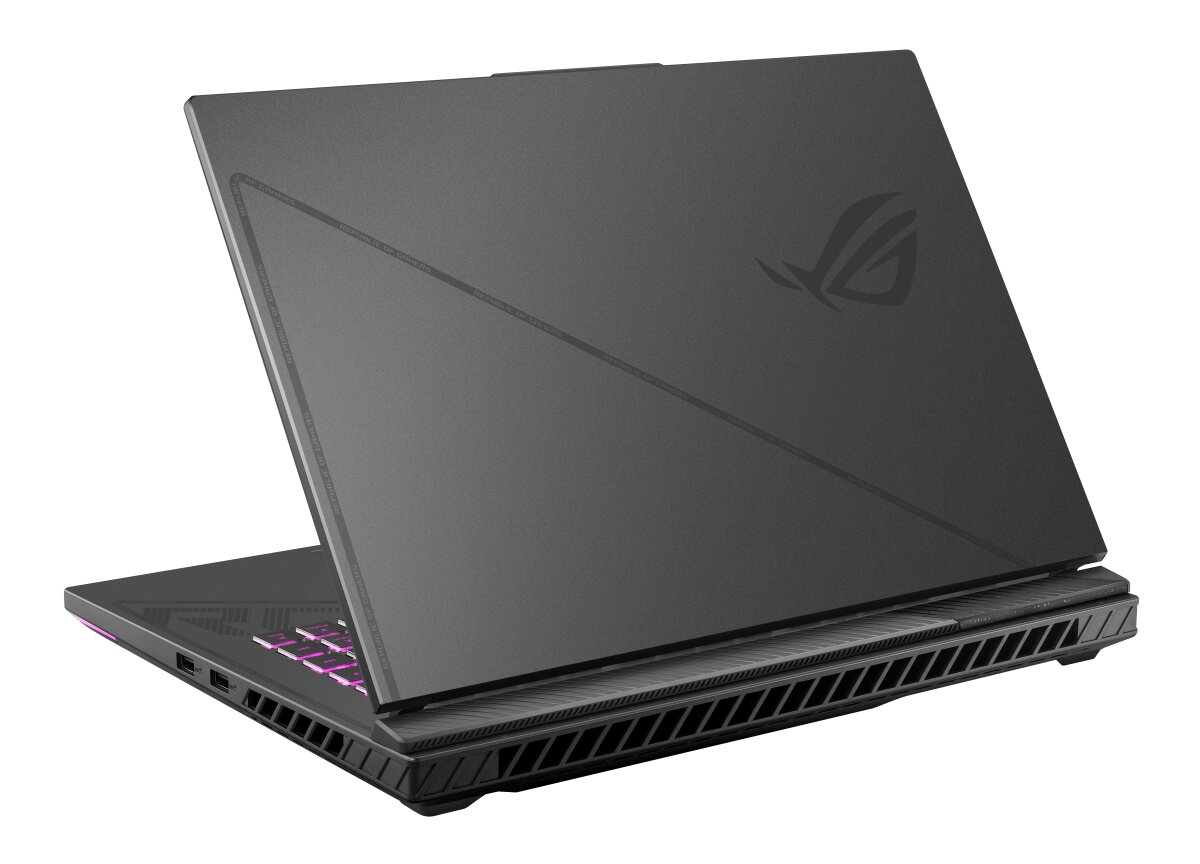
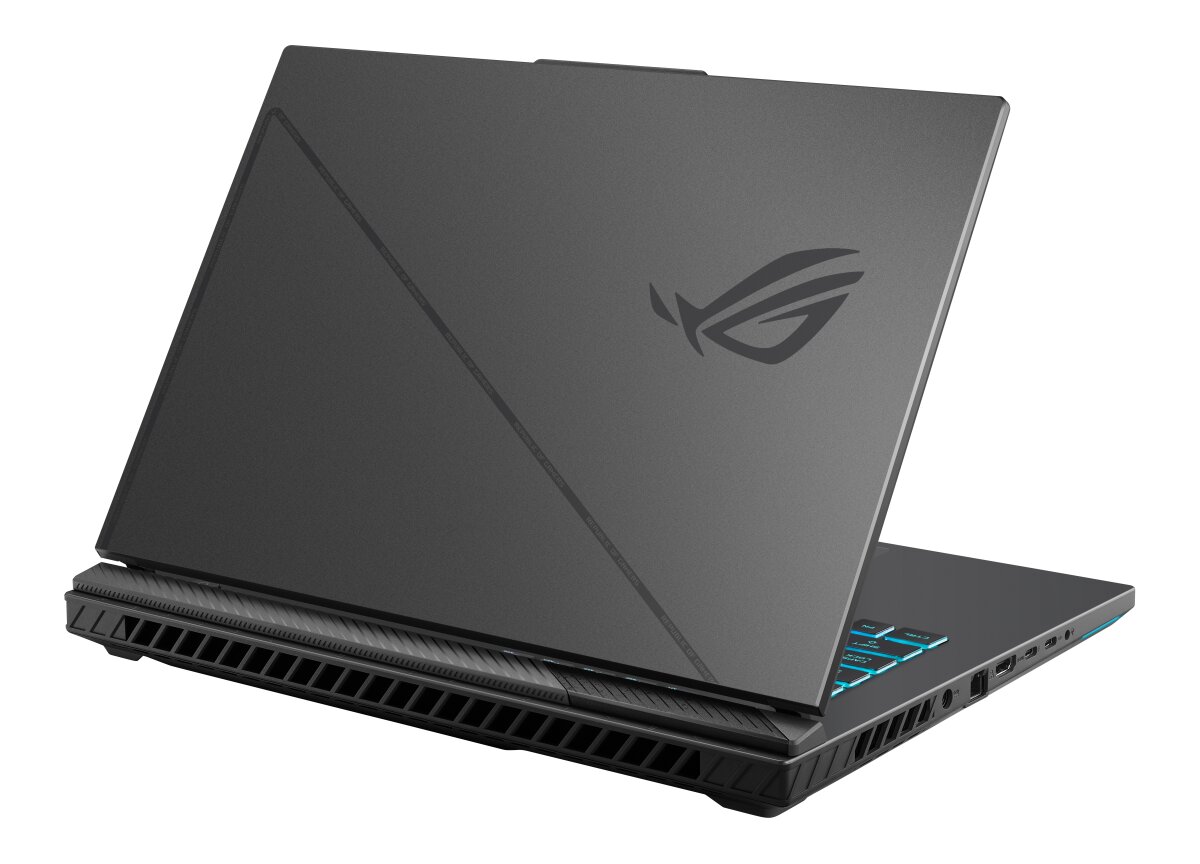
The ASUS ROG Strix G16 G614JVR-N3093W-GAMING gaming laptop features DDR5-SDRAM memory specifications with upgrade capabilities. The system includes 2x SO-DIMM slots supporting DDR5 modules at 5600 MHz frequency. Maximum compatible RAM capacity reaches 32 GB total, allowing users to expand memory configurations. The SO-DIMM form factor specifications ensure compatibility with standard laptop RAM upgrades. These memory upgrade specifications enable enhanced multitasking and performance optimization for gaming and professional applications on the ROG Strix G16 series.
Memory Upgrade Specifications
| Specification | Value |
|---|---|
| Memory slots | 2x SO-DIMM |
| Form factor | SO-DIMM |
| Memory type | DDR5-SDRAM |
| Frequency | 5600 MHz |
| Maximum RAM | 32 GB |
| Voltage | 1.1V |
| Number of pins | 262-pin |
| Interface | PC5 |
| PC Speed Rating | PC5-5600 (PC5-44800) |
| Bandwidth | 44.8 GB/s |
Additional Notes
- The ASUS ROG G614JVR-N3093W-GAMING accepts only SO-DIMM modules, which eliminates standard desktop DIMM compatibility and requires laptop-specific memory components.
- DDR5-SDRAM architecture operates at higher base voltages compared to DDR4, typically 1.1V, which prevents backward compatibility with DDR4 slots and requires DDR5-exclusive modules.
- The 32 GB maximum capacity constraint limits dual-channel configurations to 16 GB per slot, preventing installation of higher-density 24 GB or 32 GB individual modules even if physically compatible.
- Native 5600 MHz operation requires JEDEC-compliant modules at that speed specification, as lower-frequency DDR5 modules will operate at their rated speeds rather than scaling up to match the system specification.
- Dual SO-DIMM slot configuration enables dual-channel memory bandwidth when matched modules populate both slots, delivering 89.6 GB/s theoretical maximum throughput at 5600 MHz.
- Physical SO-DIMM installation requires accessing the bottom panel or keyboard assembly depending on internal chassis design, which may involve warranty seal removal on certain ROG configurations.
- DDR5 voltage regulation occurs on-module through a power management integrated circuit rather than motherboard-based control, adding per-module cost compared to DDR4 equivalents at similar capacities.
- Mixing modules with different CAS latency timings will force both modules to operate at the slower timing profile, potentially degrading performance despite maintaining the 5600 MHz frequency.
- Thermal considerations in gaming laptops may throttle sustained memory performance if modules lack integrated heat spreaders, particularly during extended high-bandwidth operations.