ASUS ROG G614JZ-N4013W RAM upgrade specifications



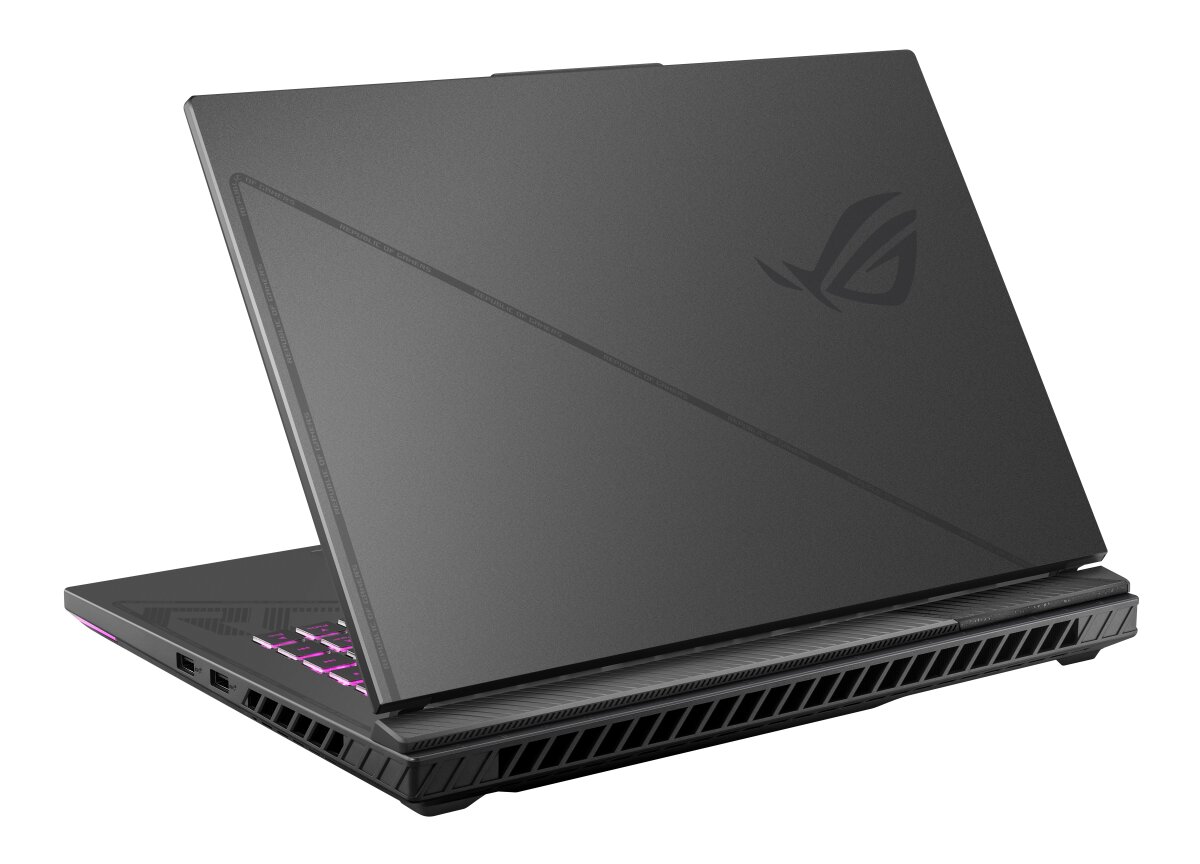
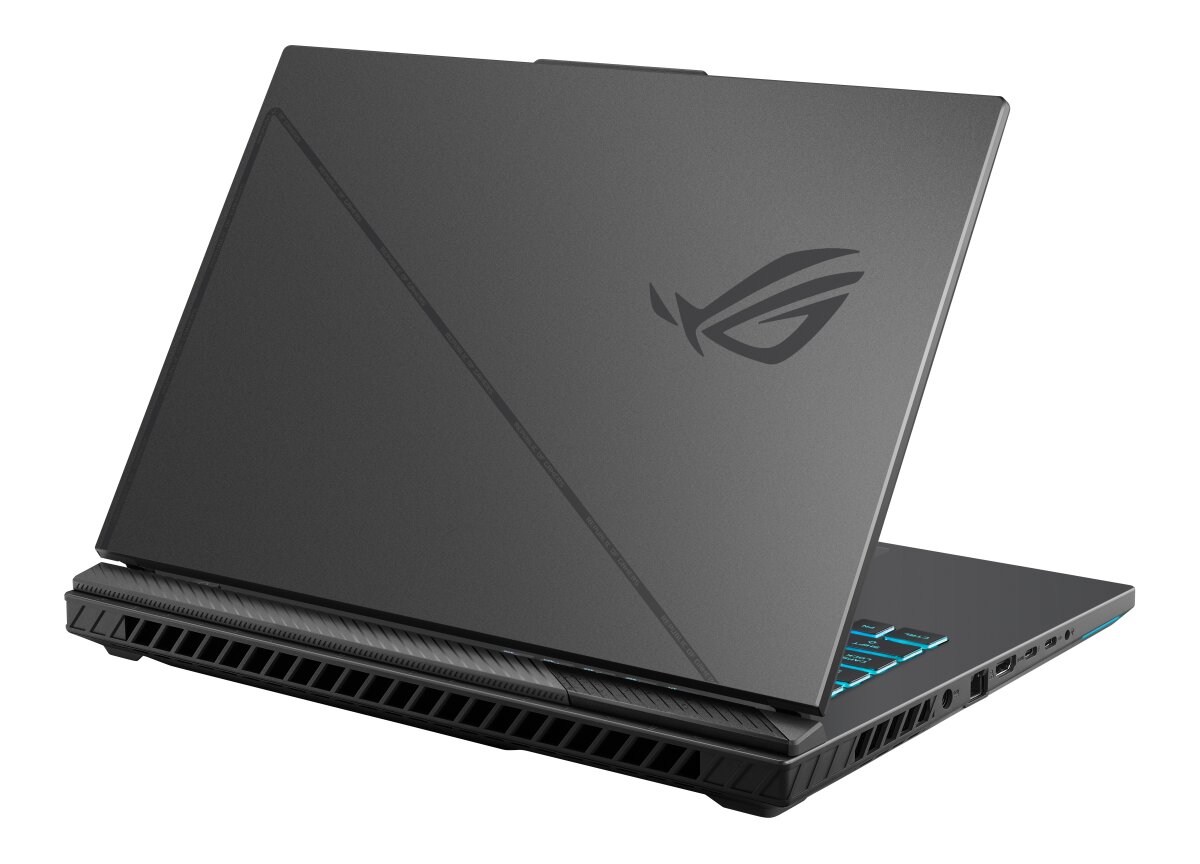
ASUS ROG Strix G16 model G614JZ-N4013W supports DDR5-SDRAM memory upgrades through two SO-DIMM slots. The laptop accommodates maximum RAM capacity of 32 GB total. Compatible memory specifications include DDR5 modules operating at 4800 MHz frequency. Upgrade configurations range from single-module to dual-module installations within the available slot architecture. Memory form factor consists of SO-DIMM standard modules for portable computing devices.
Memory Upgrade Specifications
| Specification | Value |
|---|---|
| Memory slots | 2x SO-DIMM |
| Form factor | SO-DIMM |
| Memory type | DDR5-SDRAM |
| Frequency | 4800 MHz |
| Maximum RAM | 32 GB |
| Voltage | 1.1V |
| Number of pins | 262-pin |
| Interface | PC5 |
| PC Speed Rating | PC5-4800 (PC5-38400) |
| Bandwidth | 38.4 GB/s |
Additional Notes
- The ASUS ROG G614JZ-N4013W contains 2 SO-DIMM slots with a combined ceiling of 32 GB, meaning each slot accepts a maximum 16 GB module.
- DDR5-4800 MHz memory operates at standardized JEDEC specifications, but the laptop's memory controller bandwidth saturates at approximately 76.8 GB/s per channel, creating potential latency exposure if CPU-intensive workloads contend with GPU memory requests simultaneously.
- SO-DIMM modules occupy minimal physical space within mobile form factors; replacement requires removal of the bottom panel and carries no impact on thermal management pathways, rendering all DDR5-4800 SO-DIMM upgrades warranty-safe when performed without damage to connectors or retention clips.
- Upgrading from factory-installed capacity to the 32 GB maximum requires sourcing matching latency and voltage specifications; DDR5 modules rated for 4800 MHz typically ship with CAS latency 40 or tighter, and mixing modules with divergent timings forces the memory controller to operate at the slower module's specifications, negating performance gains from higher-capacity installation.
- The 2-slot architecture eliminates upgrade flexibility beyond the 32 GB threshold; future memory-intensive applications or workloads exceeding 32 GB capacity cannot be addressed through additional DIMM installation on this platform.
- Dual-channel architecture across 2 SO-DIMM slots enables symmetric bandwidth distribution; single-module configurations or mismatched capacity pairings (16 GB plus 8 GB) force asymmetric channel population, reducing effective memory throughput by approximately 20 percent relative to symmetric 16 GB plus 16 GB configurations.