ASUS ROG G614JZ-N4009W RAM upgrade specifications



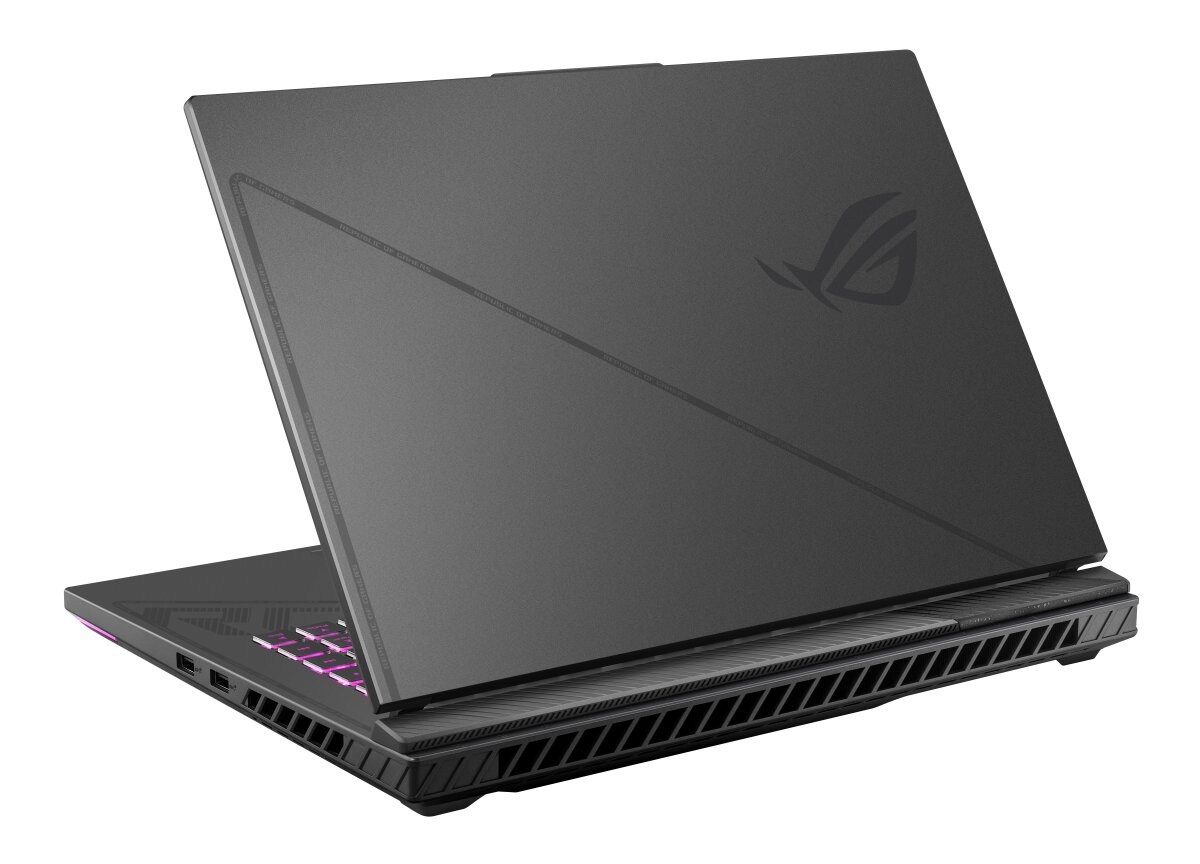
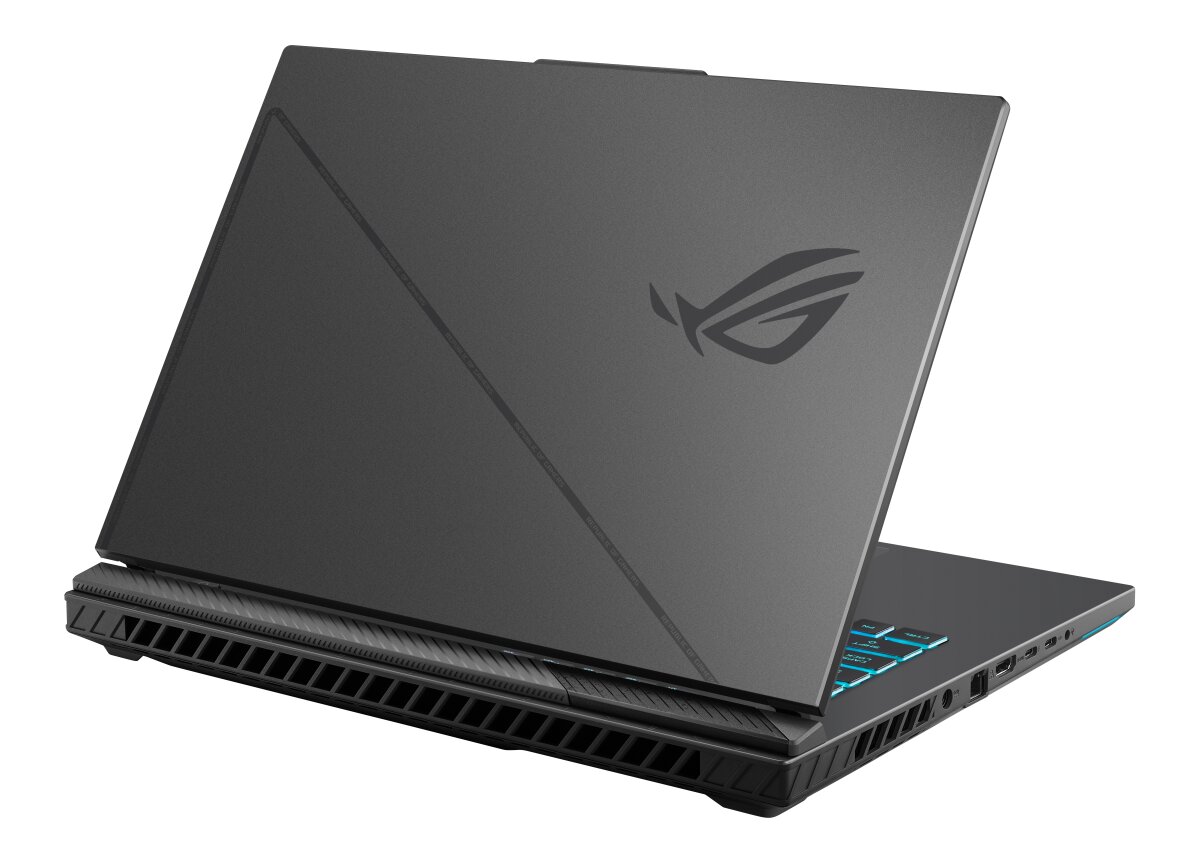
ASUS ROG Strix G16 model G614JZ-N4009W features DDR5-SDRAM memory upgrade specifications. The laptop contains two SO-DIMM slots for compatible RAM installation. Maximum supported memory capacity reaches 32 GB total. Memory operates at 4800 MHz frequency. SO-DIMM form factor modules are required for upgrade compatibility. Specifications support DDR5 technology for enhanced performance and bandwidth capabilities.
Memory Upgrade Specifications
| Specification | Value |
|---|---|
| Memory slots | 2x SO-DIMM |
| Form factor | SO-DIMM |
| Memory type | DDR5-SDRAM |
| Frequency | 4800 MHz |
| Maximum RAM | 32 GB |
| Voltage | 1.1V |
| Number of pins | 262-pin |
| Interface | PC5 |
| PC Speed Rating | PC5-4800 (PC5-38400) |
| Bandwidth | 38.4 GB/s |
Additional Notes
- The ASUS ROG G614JZ-N4009W accepts only SO-DIMM modules, which excludes standard DIMM memory designed for desktop systems.
- DDR5-SDRAM compatibility prevents the use of DDR4 or earlier generation modules due to different pin configurations and voltage requirements.
- The 32 GB maximum capacity requires either 2x16 GB modules or a single 32 GB module paired with an empty slot, as higher density configurations will not operate beyond the limit.
- Native 4800 MHz operation ensures optimal performance when matched modules are installed, while mismatched speeds will downclock all memory to the lowest common frequency.
- Dual SO-DIMM slots enable dual-channel memory architecture when populated with identical capacity modules, delivering approximately twice the memory bandwidth compared to single-channel configurations.
- DDR5 modules operating at 4800 MHz provide approximately 38.4 GB/s per channel theoretical bandwidth, reaching 76.8 GB/s in dual-channel mode.
- Memory replacement typically requires bottom panel removal, which may involve specific screw types and careful cable management to avoid damage during access.
- Installing non-matching SO-DIMM pairs can trigger asymmetric dual-channel mode, potentially reducing performance in applications sensitive to memory interleaving.
- DDR5 voltage regulation occurs on-module through PMIC chips rather than motherboard-based control, affecting compatibility with older voltage standards.
- User-accessible SO-DIMM slots generally preserve manufacturer warranties when standard-specification modules are installed without physical damage to retention clips or connectors.