ASUS ROG G614JZ-NEBULA014 RAM upgrade specifications



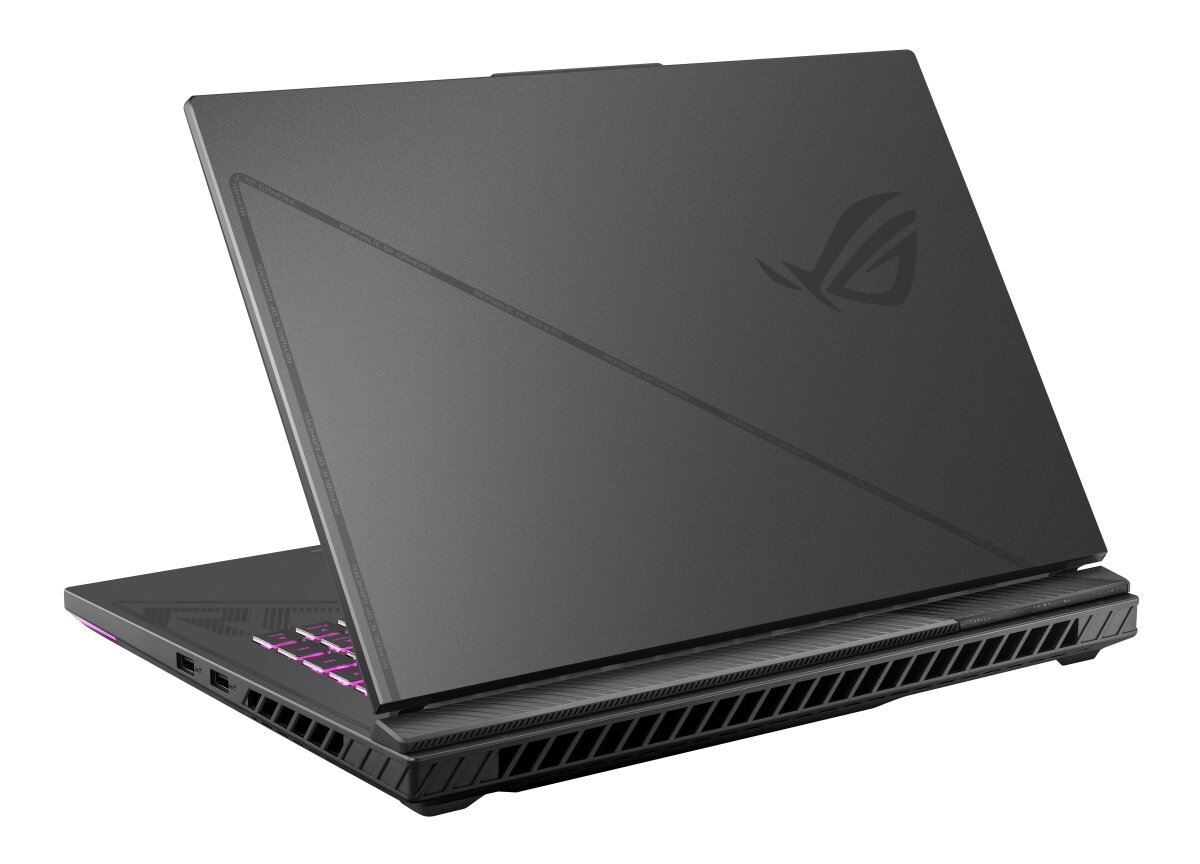
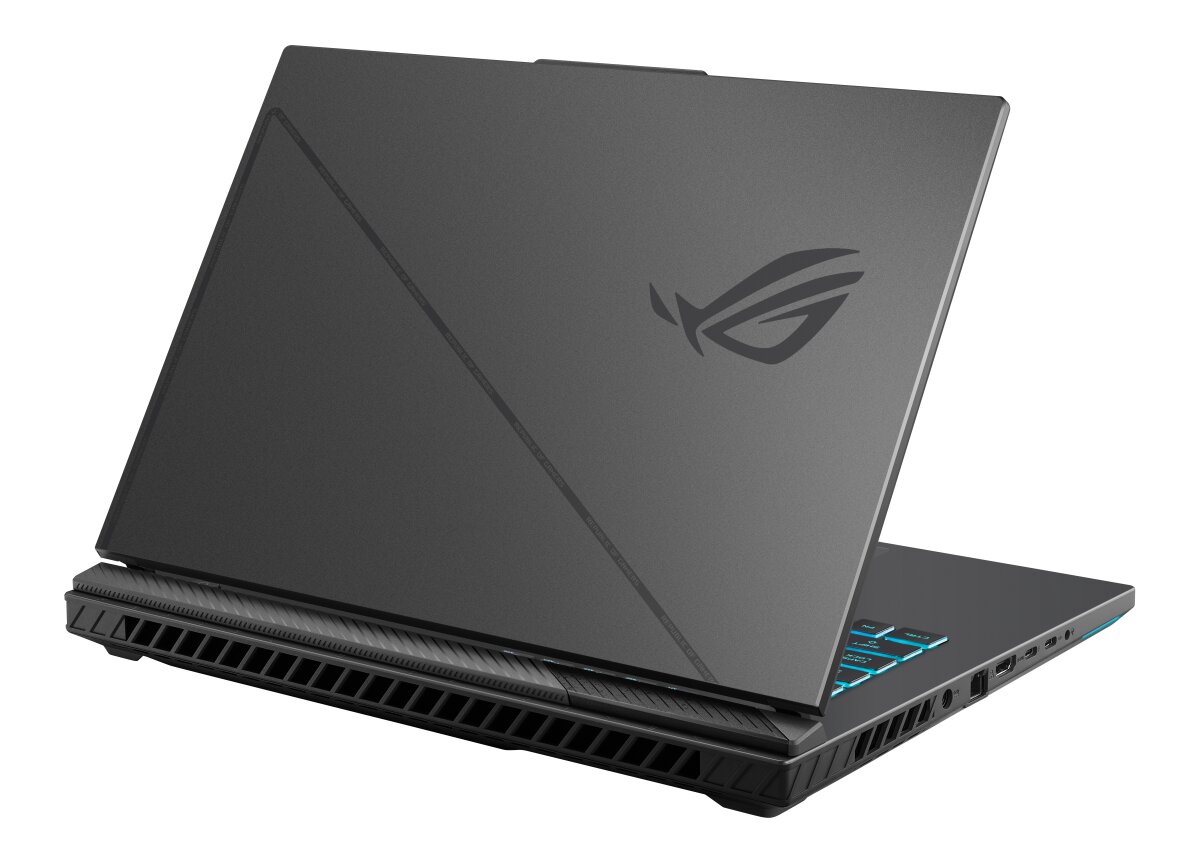
The ASUS ROG Strix G16 G614JZ-NEBULA014 laptop features DDR5-SDRAM memory upgrade specifications with two SO-DIMM slots supporting maximum RAM capacity of 32 GB. Compatible memory modules operate at 4800 MHz frequency. The upgrade slots accommodate SO-DIMM form factor memory modules, enabling users to expand the laptop's RAM capacity for enhanced multitasking and performance capabilities.
Memory Upgrade Specifications
| Specification | Value |
|---|---|
| Memory slots | 2x SO-DIMM |
| Form factor | SO-DIMM |
| Memory type | DDR5-SDRAM |
| Frequency | 4800 MHz |
| Maximum RAM | 32 GB |
| Voltage | 1.1V |
| Number of pins | 262-pin |
| Interface | PC5 |
| PC Speed Rating | PC5-4800 (PC5-38400) |
| Bandwidth | 38.4 GB/s |
Additional Notes
- The ASUS ROG G614JZ-NEBULA014 uses SO-DIMM modules instead of desktop DIMMs, requiring physically smaller memory sticks with 260 pins rather than the standard 288-pin configuration.
- DDR5 modules are not backward compatible with DDR4 slots due to different notch positions and voltage requirements, preventing installation of older generation memory.
- The 32 GB ceiling restricts total system memory to 2 modules of 16 GB each, as exceeding this capacity may cause POST failures or prevent the system from booting.
- DDR5-4800 represents the JEDEC base speed for this generation, while higher frequency modules (5200 MHz, 5600 MHz, or beyond) will downclock to 4800 MHz unless the motherboard supports XMP or EXPO profiles.
- Mixing modules with different densities or timings across the 2 slots can force both to operate at the slower module's specifications, reducing overall bandwidth.
- DDR5's on-die ECC operates independently of traditional ECC memory, meaning standard non-ECC SO-DIMMs include error correction at the chip level without requiring server-grade modules.
- Dual-channel configuration requires both slots to be populated with matched modules for maximum memory bandwidth, as a single module will operate in single-channel mode at half the potential throughput.
- Voltage specification for DDR5 is standardized at 1.1V compared to DDR4's 1.2V, so modules lacking proper VDD/VDDQ regulation may exhibit stability issues under sustained workloads.
- Accessing the SO-DIMM slots typically requires removing the bottom panel, which may void warranty seals on certain laptop configurations if not performed through authorized service channels.
- The 4800 MHz frequency delivers 38.4 GB/s theoretical bandwidth per channel, totaling 76.8 GB/s in dual-channel mode when both slots contain identical modules.
- CAS latency values differ between DDR4 and DDR5, with DDR5-4800 CL40 providing similar real-world latency to DDR4-3200 CL22 despite the higher numerical CL rating.
- Heat spreaders on SO-DIMM modules must remain low-profile to fit within laptop chassis clearances, as taller desktop-style heat sinks will interfere with the bottom cover assembly.